STOP AND RETURN
“Photographers deal in things which are continually vanishing and when they have vanished there is no contrivance on earth which can make them come back again.” Henri Cartier -Bresson
1.1 Street Photographers – Research 3 approaches
Vivian Maier
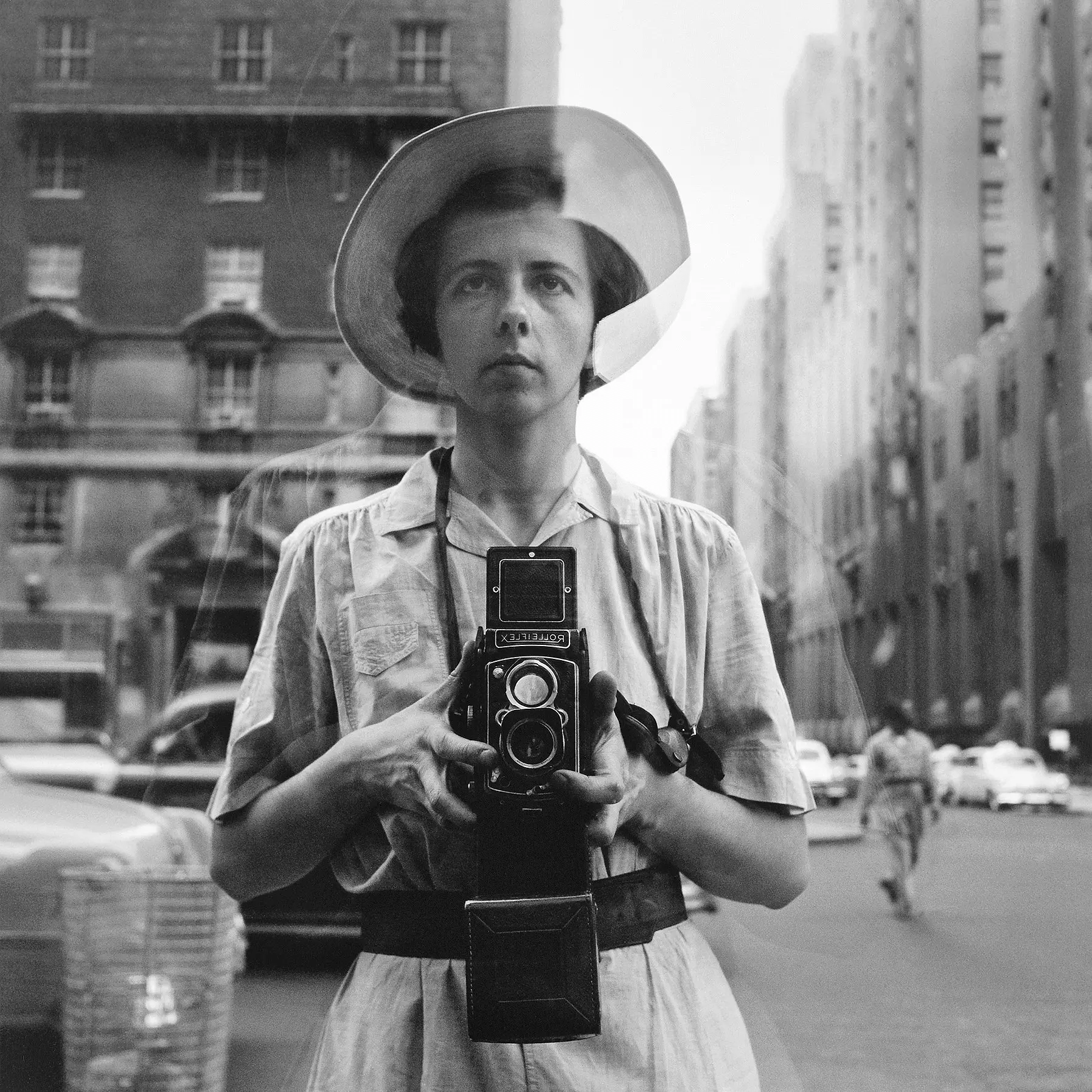
A mysterious woman whose photography work was only discovered after she had died. Looking after families as a nanny she also dedicated a great deal of her time to street photography in Chicago. “Real-life Mary Poppins”. As such, many of her photos feature kids: sometimes just their legs and shoes, holding hands with a figure who is otherwise unseen above the knee; at others, they’re standing next to the photographer as she shoots their reflection in a window.
Her photographs explored all walks of life from the homeless to the glammed up housewives.
The bulk of Maier’s images were shot in the 1950s and 60s, and feature a mixture of surreal snapshots of street life, architecture, relationships, everyday interactions and portraiture — both of herself and of others.

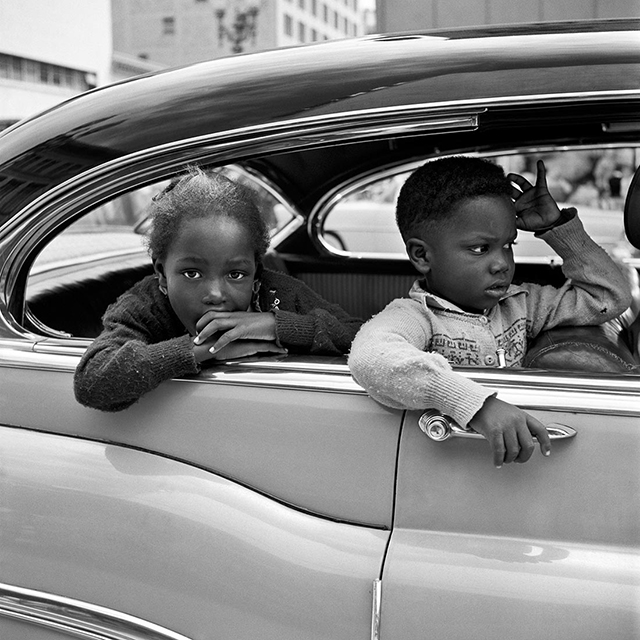

Although the majority of her work was in black and white there was a section exploring the use of colour. I love this picture below and the use of the strong yellow.


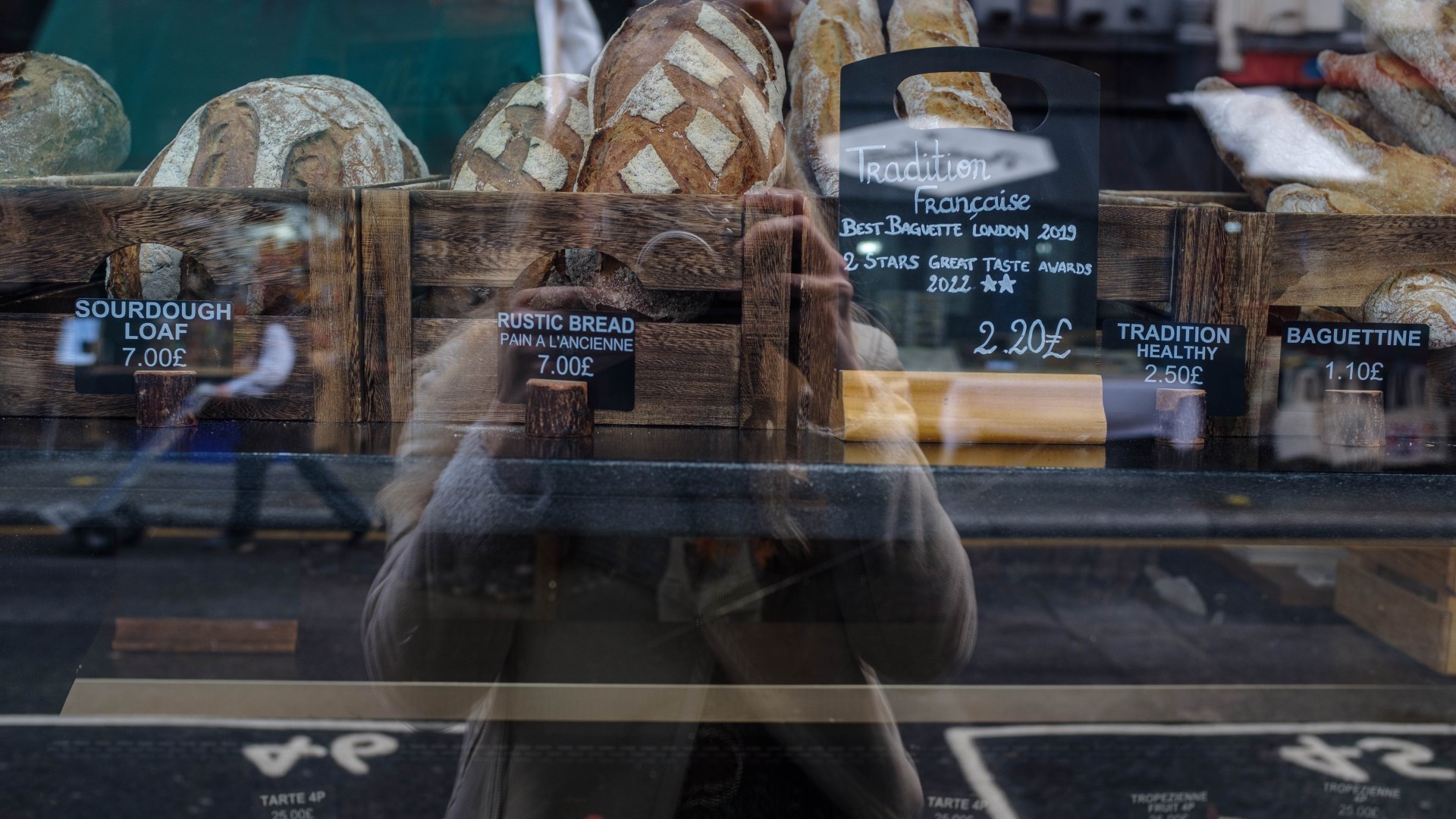
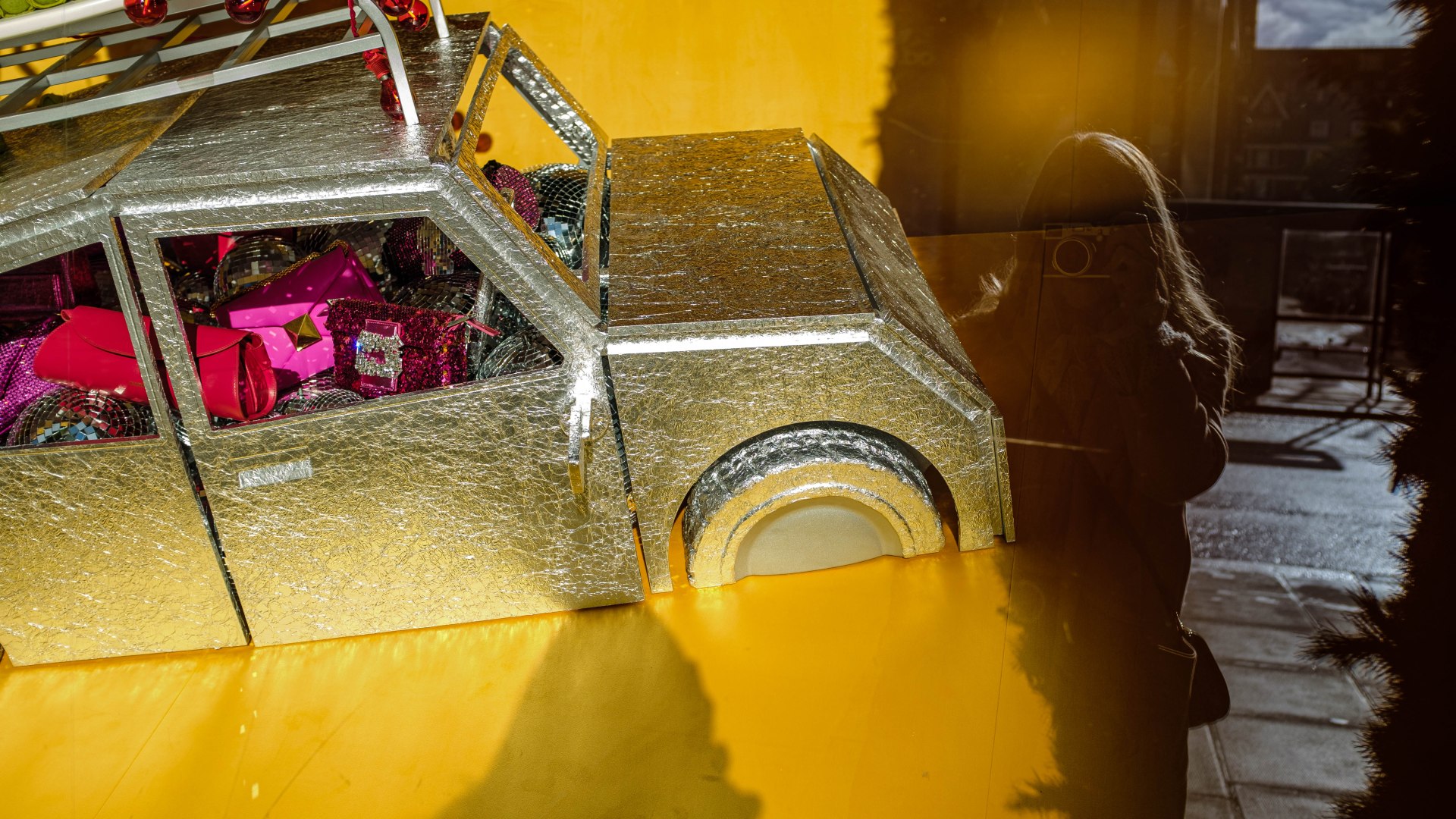
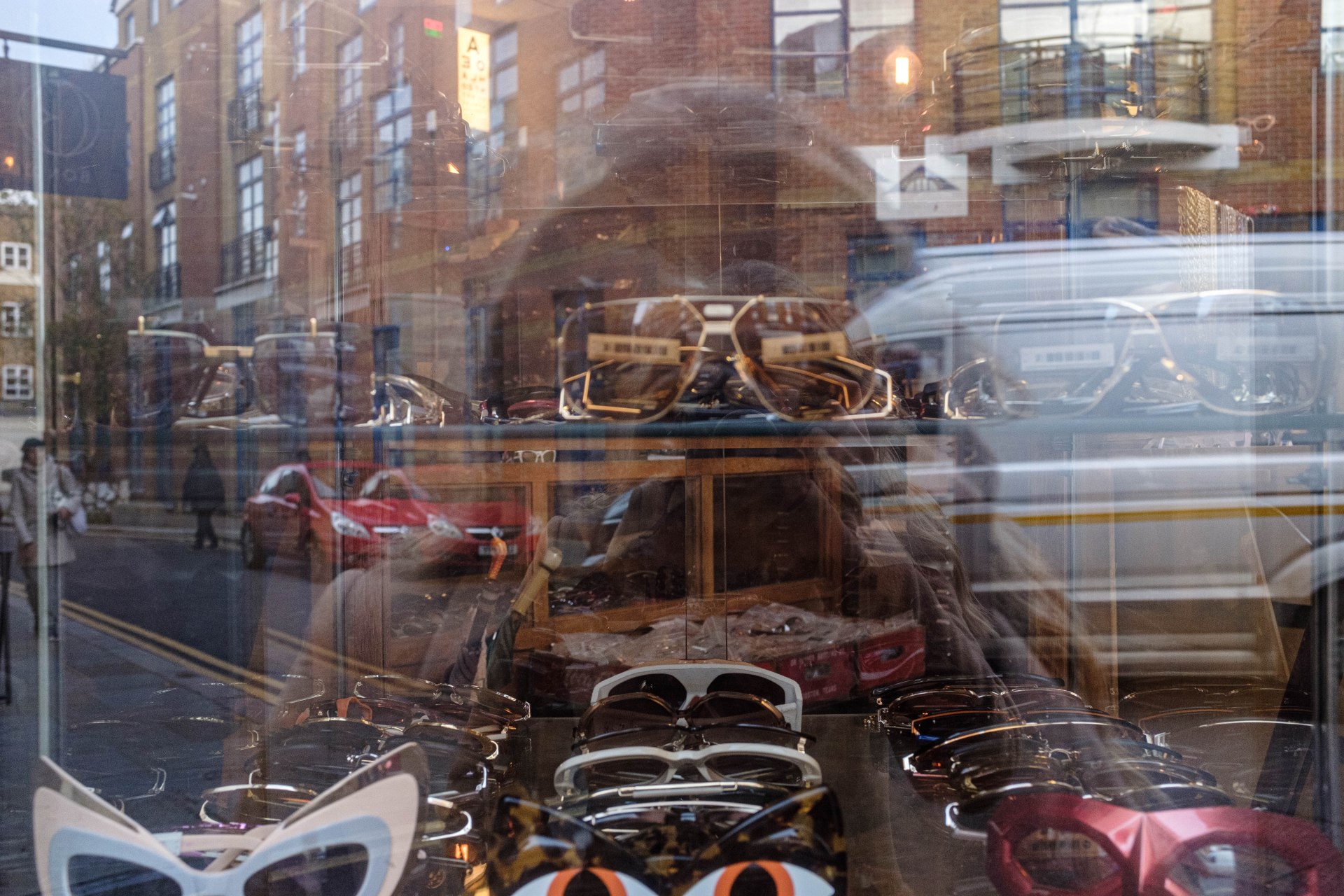
Vivian Maier would often photograph her reflection in a mirror or window, and with little facial expression which added to the mystery of her.
I thoroughly enjoyed the Finding Vivian Maier documentary. She had such a creative eye and was able to capture such intimacy as well as document both the hardship and glamour of the 50′ and 60’s. She took over 100,000 photos so extremely dedicated and passionate, you can tell from the shots she would maybe be waiting for a long time for a good shot as well as being ready for a spontaneous shot.
Like Vivian Maier I would like to try and capture everyday interactions as well as portraiture of myself as well as others using both black and white and colour. I would like to take pictures that represent the culture we live in today with everyday reactions and gestures.
Rui Palha
“Photography is a very important part of my space… it is to discover, it is to capture giving flow to what the heart feels and sees in a certain moment, it is being in the street, experiencing, understanding, learning and, essentially, practicing the freedom of being, of living, of thinking…”Masters of Street Photography Rob Yarham
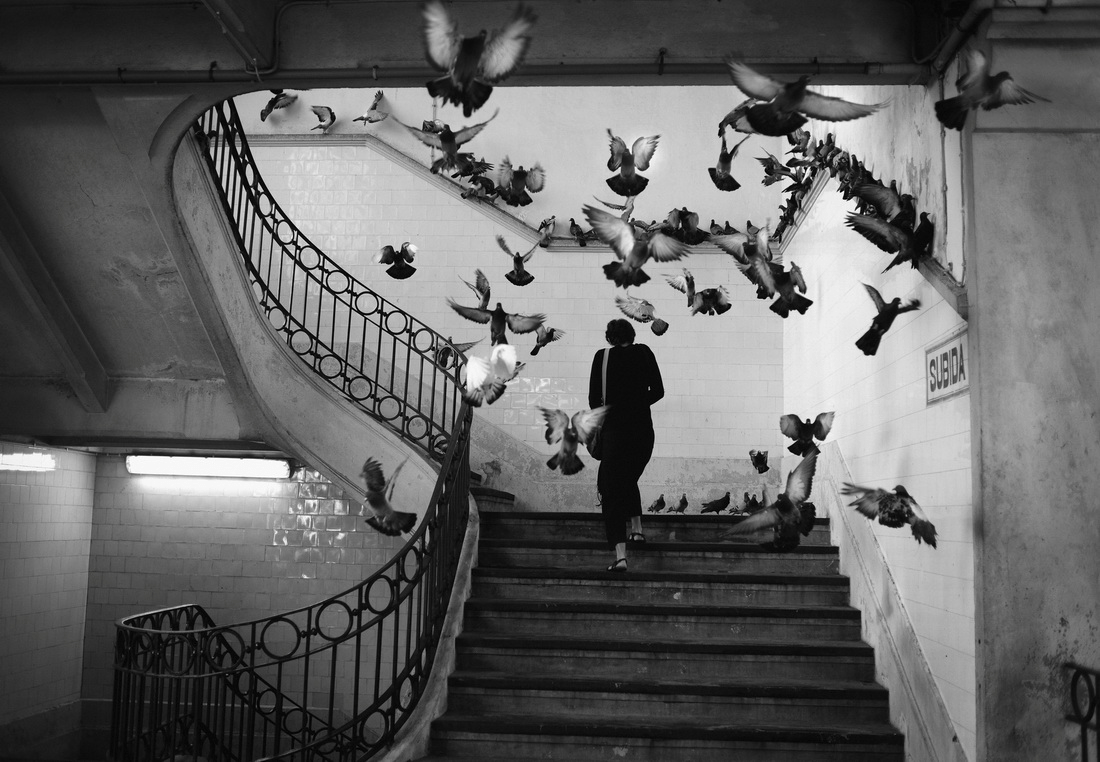

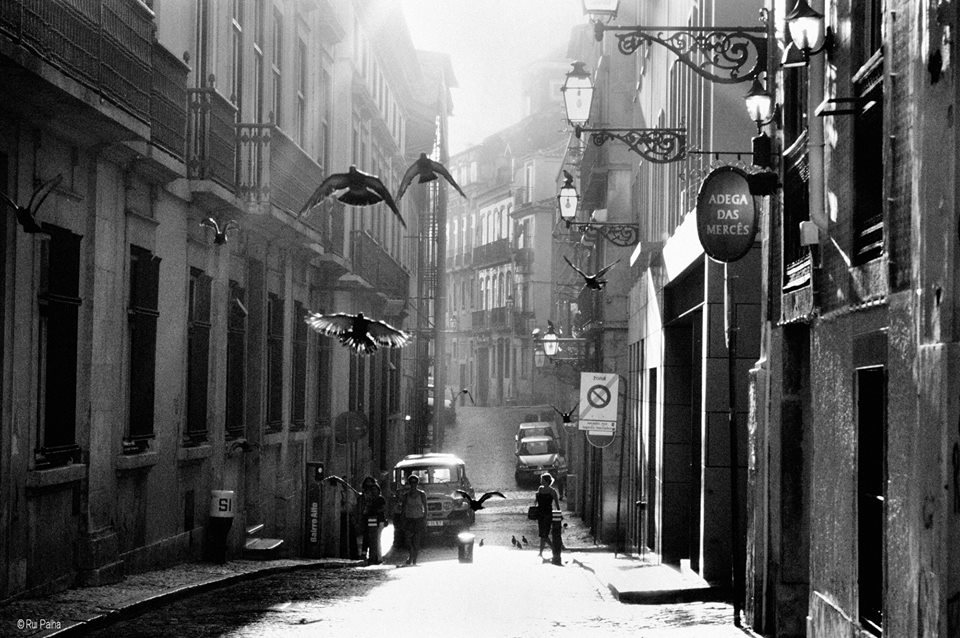
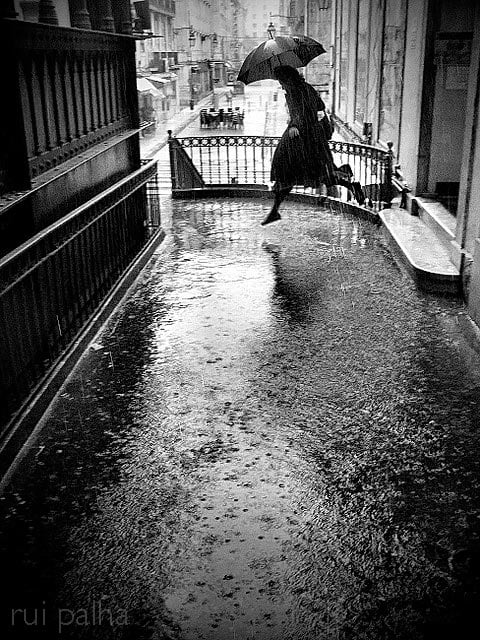
I discovered Rui Palha in the Masters of Street Photography book edited by Rob Yarham. A Portugese photographer who discovered photography as a hobby at the age of 14 and devotes most of his time now to street photography.
Master of Atmosphere
“Ru sees himself as a storyteller, walking around Lisbon capturing the everyday lives and emotions of the many people he encounters, and the beauty of them and their normal, real lives. Rui is a proud amateur photographer, refreshing the freedom from constraints this gives him, and believing that it is the only way that he can photograph what he wants, how he wants.” Masters of Street Photography Rob Yarham
I was incredibly drawn to his photographs with the atmosphere and mood he creates. The simple image of an umbrella in the rain can become incredibly emotive.
He used a number of camera’s, predominately a Leica and shoots only in black and white.
“If you look at black and white photograph, and you like it a lot, the photograph is telling you something without artifice.” I agree with Ted Grant, who wrote: “when you photograph people in colour, you photograph their clothes. But when you photograph people in black and white, you photograph their souls!” Masters of Street Photography Rob Yarham
Rui Playa didn’t believe in giving his photographs a title or explanation , he believed the image must tell a story, without needing words. The image itself should attract the viewer.
Both photographers I have chosen are amateur photographers. This is inspiration for me.
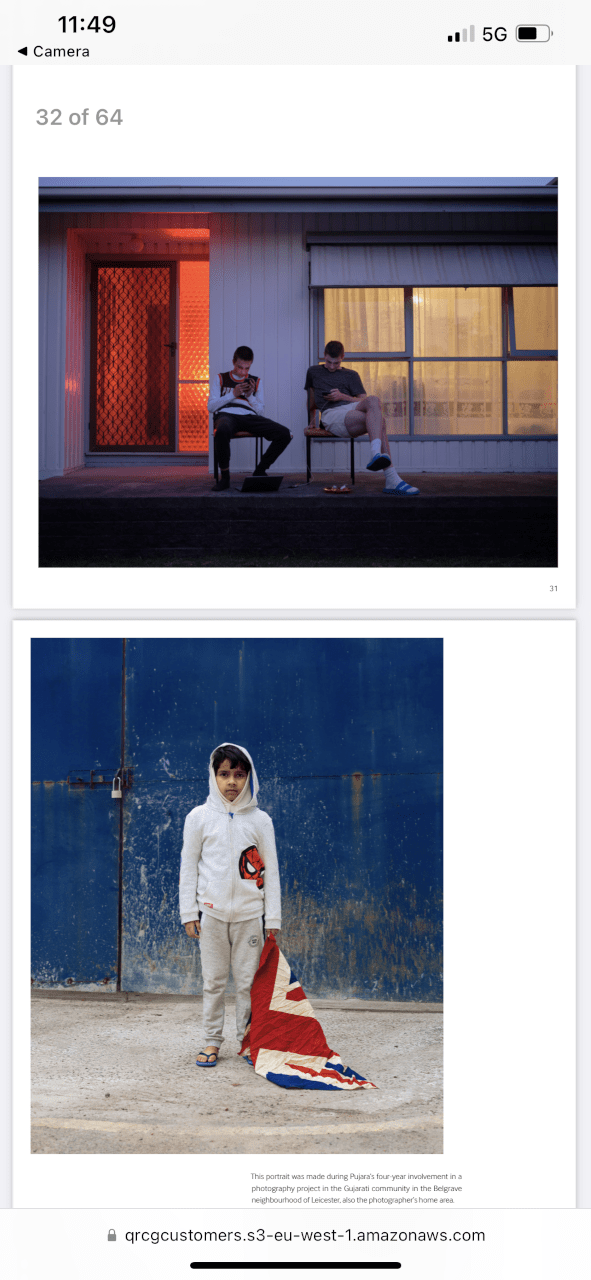
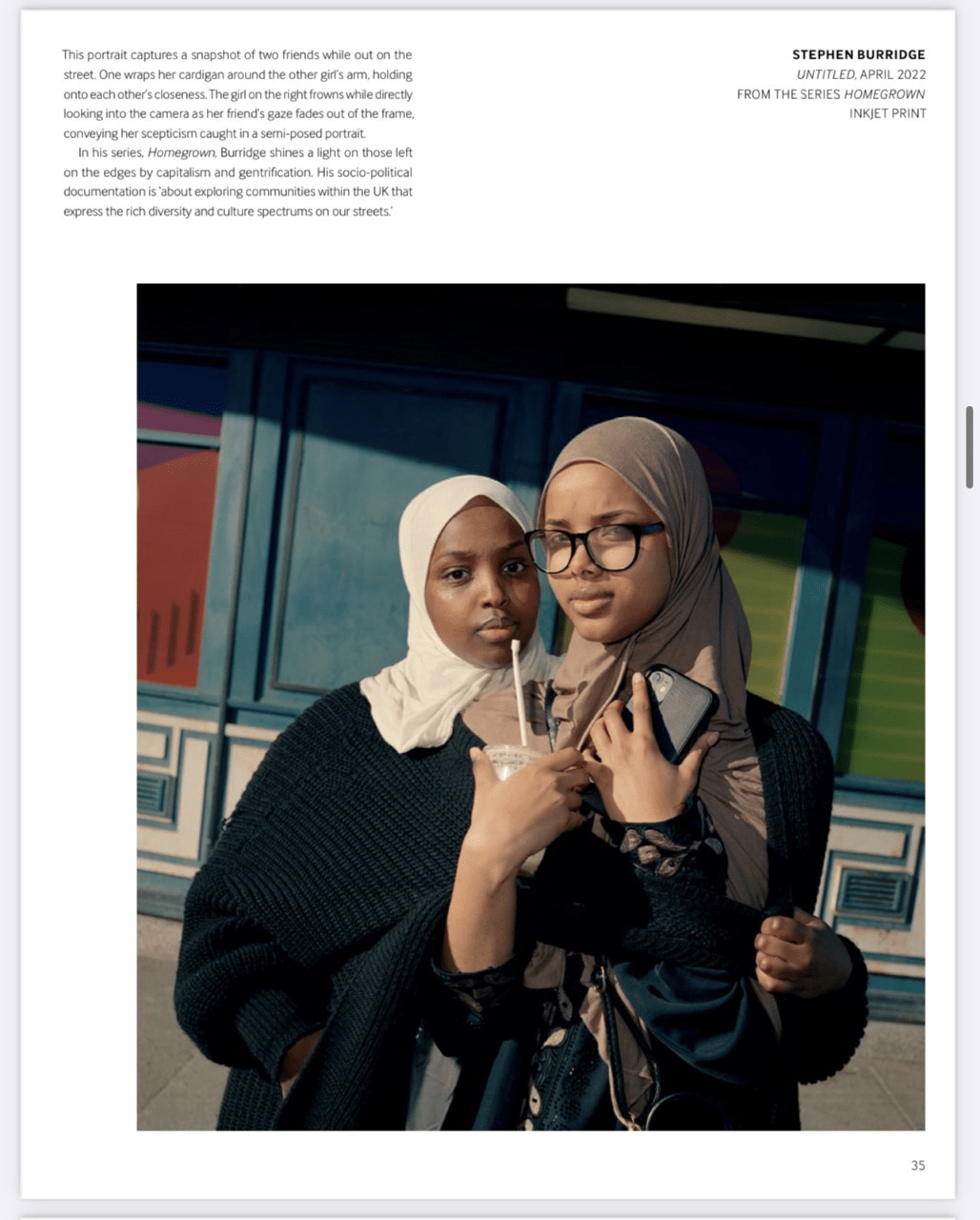
Taylor Wessing National Portrait exhibition
I also had the chance to visit the Taylor Wessing photographic portrait prize to see some portrait work taken outside on the street.


Jay Maisel
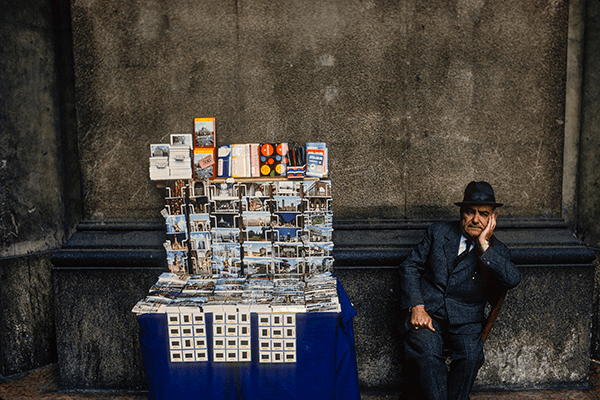
The Master of Gesture – “When I’m out shooting, the impulse to shoot, if I’m hot, it is visceral – from the gut, the heart -its not intellectual.” Masters of Street Photography Edited by Rob Yarham.
“Never lose your curiosity, and to think about what you are shooting before you shoot it. When you see the right moment you will know. And as Ernst Haas once said, ‘You do not take pictures, you are taken by pictures.’ So allow yourself to be taken by pictures.”
The final street photographer I was particularly drawn to when looking through The Masters of Street Photography book is Jay Maisel. I think its because I shoot in a similar way, from the gut, capturing a gesture or moment.
Jay Maisel has worked with Marilyn Monroe and Miles Davies, he is perhaps best known for capturing the light, colour, and gesture found in every day life. Based in America he has years of experience in commercial and advertising work and now offers photography workshops throughout the USA.
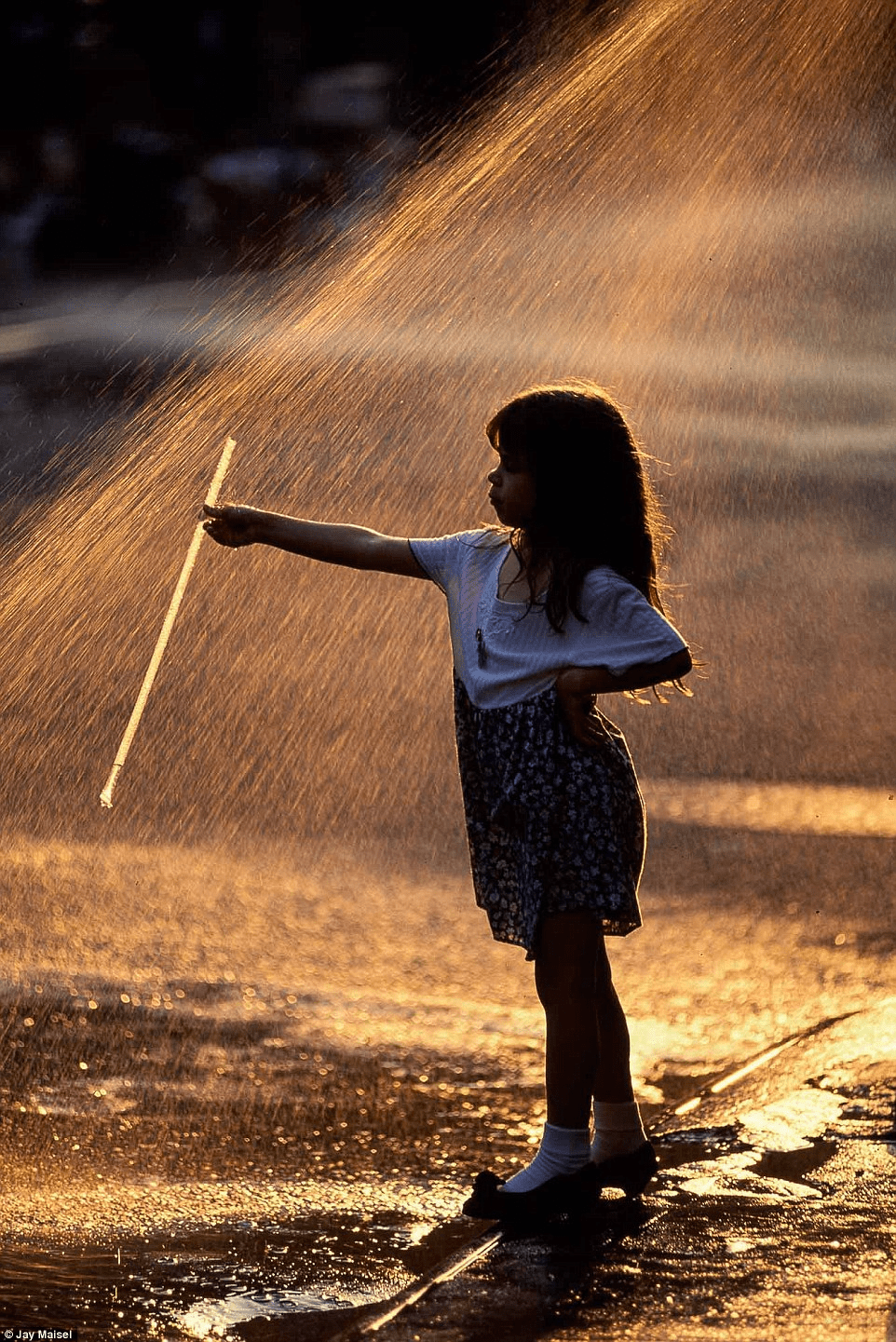
In his book Light Gesture and Colour, Maisel states that of the three, gesture is the only one capable of carrying a narrative. He uses the word “gesture” as the “expression that is at the very heart of everything we shoot.”
Maisel believes that gesture is “not just the determined look on a face; it’s not just the grace of a dancer or athlete…It exists in a leaf, a tree, and a forest. It reveals the complicated veins of the leaf, the delta-like branches of the tree, and when seen from the air, the beautiful texture of the forest. Gesture gives you a visual story of the essence of what you are looking at.”
I really like his use colour and how in every day life he captures a gesture. This is something that I am always drawn to when photographing people.
In the book Jay Maisel talks about how of course the golden light time can add wonderful light and be a great addition, however when looking for wonderful moments and interactions between people, you can’t legislate the light, therefore when he goes out to shoot, light is certainly a consideration, but not the main imperative. I will work in a similar way when shooting on the streets as it is the gesture and interaction I want to discover, as well as the use of colour.
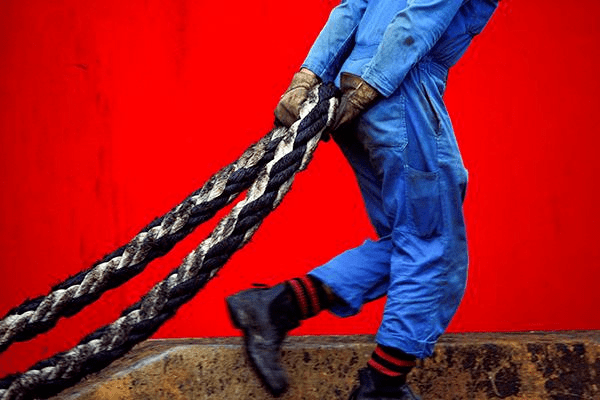
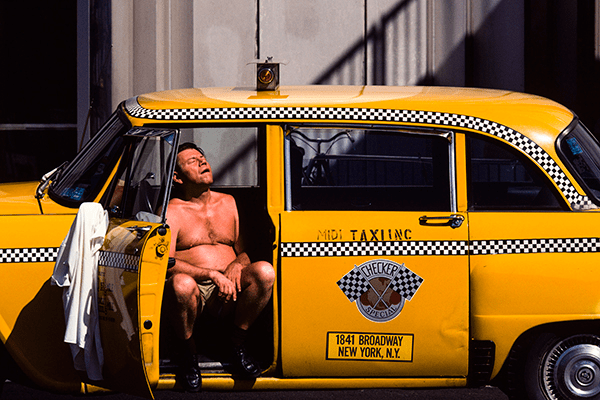



Identifying the different characteristics of camera systems
2.1, 2.2 I used my FujiX100F camera with both its 23mm (35mm full frame equivalent) and with a 1.4x tele-conversion lens (converting to 50mm full frame equivalent). The FujiX100F is a mirrorless digital camera and very lightweight which is brilliant to travel the streets of London and be ready for a spontaneous shot. Using the fixed prime lens and the tele-converter lens, the weight of the camera was easy to manage wearing on a strap, so I had many hours to explore, without getting too tired.
As I would be out for many hours of the day exploring the streets, I needed to make sure I had a fully charged battery as well as enough space on my SD memory card.
I wanted to capture both a wide angle as well as close up. I generally shoot in aperture priority mode, and use the exposure compensation dial to flex the shutter speed as needed. This provides me a quicker method than full manual mode to capture a moment whilst exploring the streets of London, so I was then ready in AV priority and then using the exposure dial to adjust the shutter speed and ISO. I was hoping to keep the Aperture relatively wide so the focal point can pop as well as creating bokeh in the background.
I set the camera so it can’t go below the shutter speed of 1/60 (ISO will increase at this point instead of slowing the shutter speed) to minimize the chance of blur from camera shake. However the ISO will not go above 3200 so if the ISO is at 3200 the camera will increase the shitter speed to more than 1/60. The camera was also set in auto focus mode (with face / eye detect enabled), which I generally find to be quicker and more accurate than manual.
Using the diagram below helped me with getting the type of exposure I required for the image.

Working outside there should hopefully be plenty of daylight. Some days were very grey and dark so the ISO did need to increase, especially when shooting down dark alley ways ect. Photographing in Raw I then used Adobe Lightroom as a post production resource. As it was outside with mostly natural light, in Lightroom I tended to need to adjust the highlights and shadows and curves to reduce the bright exposure from the sky. Or after a shot I had taken down an alley way, I wanted to decrease the highlights and increase the shadows and contrast to get the dramatic contrast of light and dark. As I am exploring colour in street photography, using Lightroom I can play with the vibrancy, contrast, clarity and texture to help boost the lovely Fuji colours.
In Light room for further post production I can enhance the image or adjust the exposure even more with the highlights and contrast. This is an example below I did in Notting Hill. By bringing the highlights down, and the shadows up slightly and increasing the vibrancy and texture, the picture becomes stronger in colour and contrast.
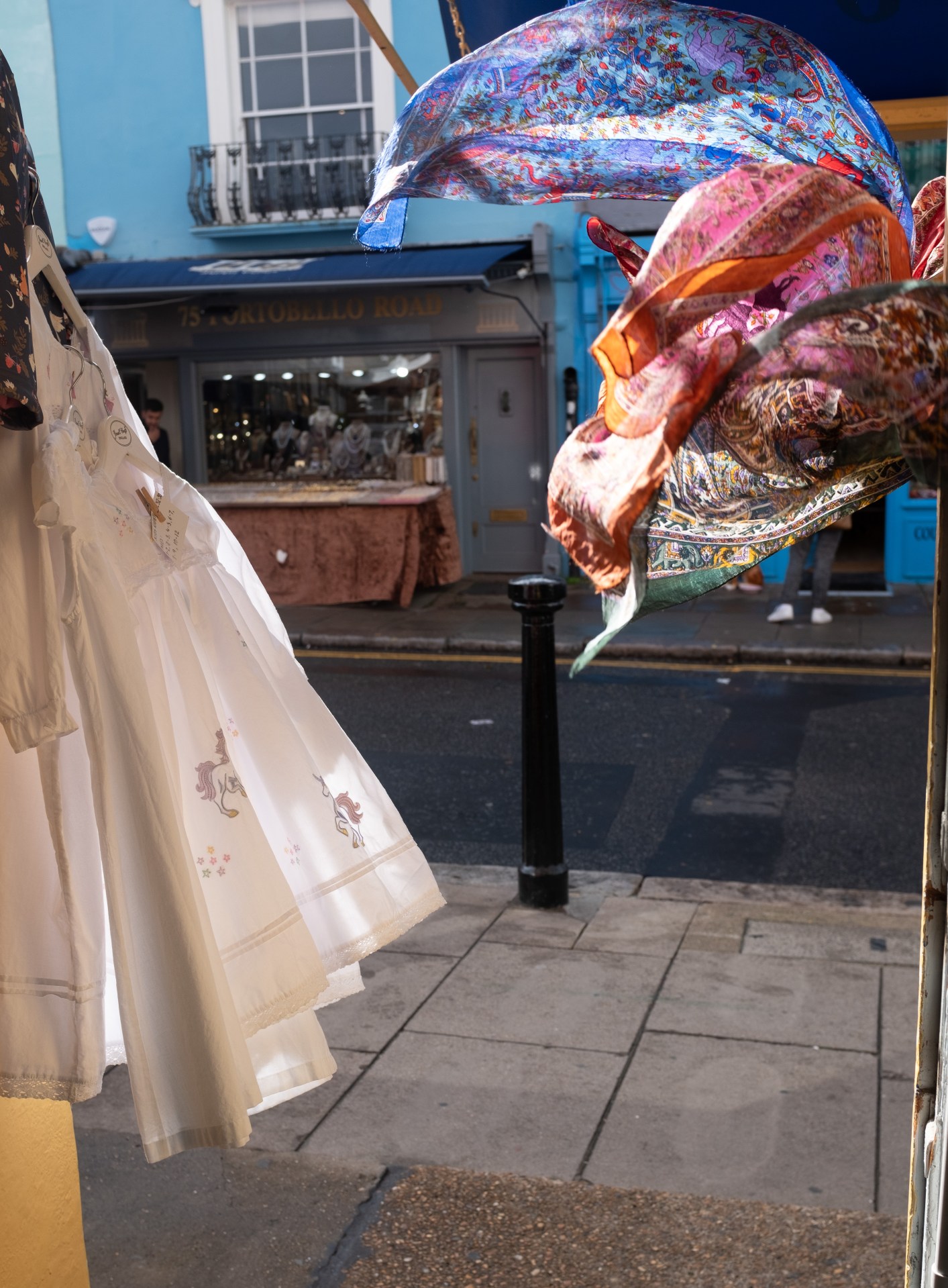

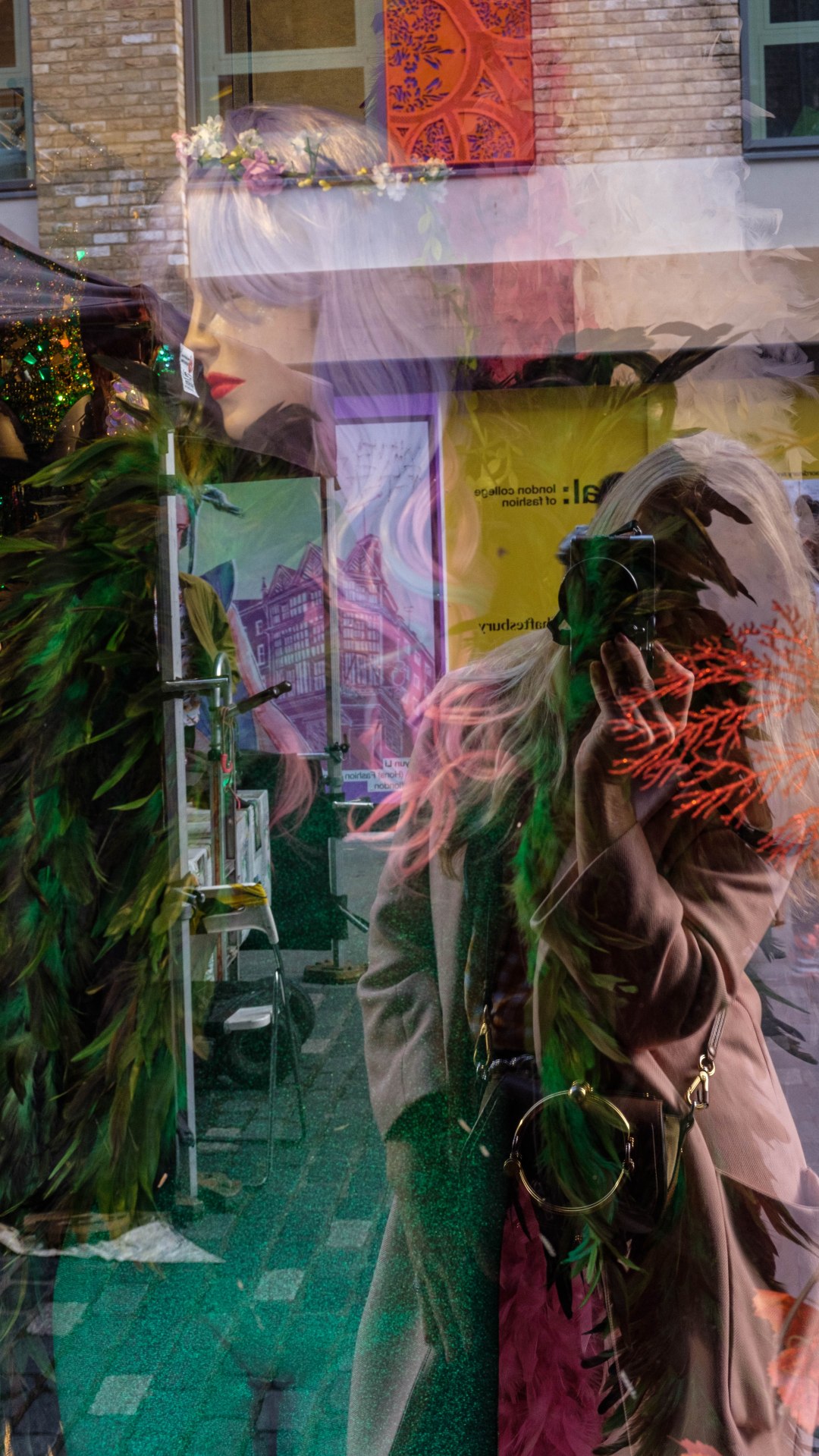
Working in AV priority and using my exposure compensation dial I adjusted the shutter speed on my camera to get the contrast of light and dark like Rui Playa to create an atmosphere. I really enjoyed experimenting with self portraiture like Vivian Maier with a wide aperture and using Lightroom afterwards I could help adjust the reflections on the window by increasing the shadows, contrast and clarity.
3.1 – Produce photos
My Street Photography work in London
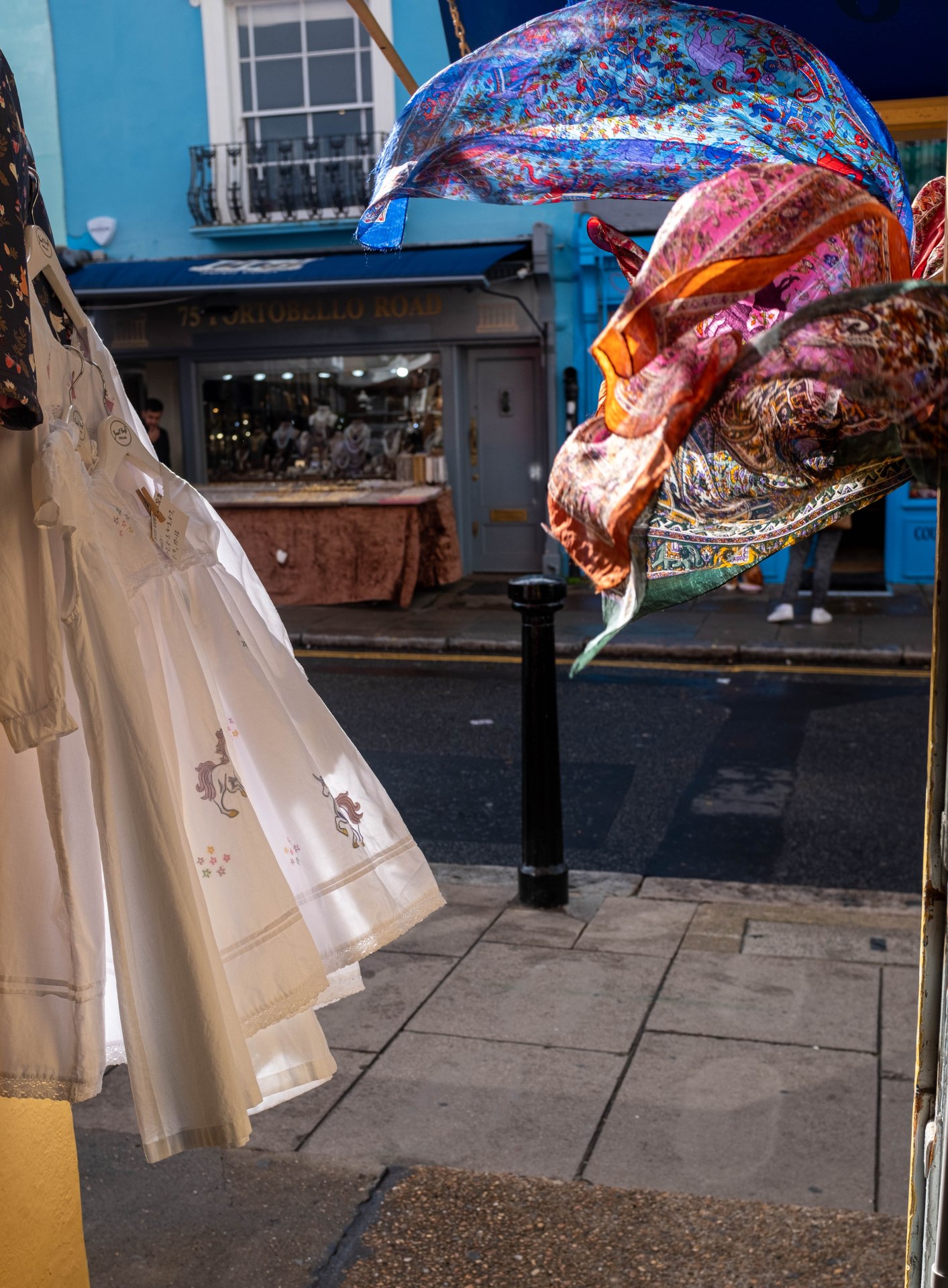
Exploring the use of colour and atmosphere in Notting Hill.

Fuji X100F 23mm ISO 200 F4.5 1/400s

FUji X100F 23mm ISO 200 F2.8 1/1000s
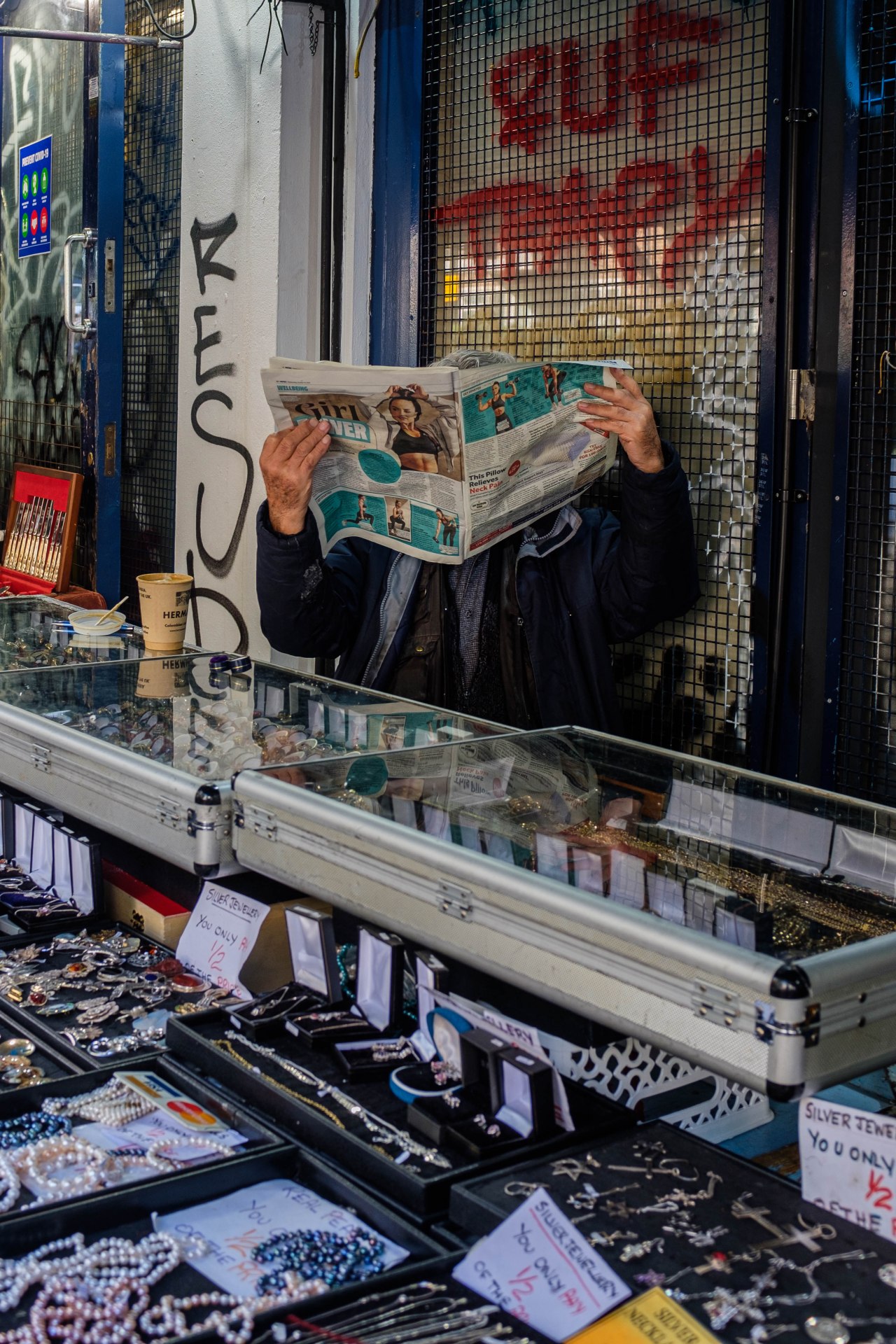
Fuji X100F 23mm ISO 200 F4 1/70s

Fuji X100F 23mm ISO 200 F4 1/950s

Fuji X100F 23mm ISO 200 F4 1/70s
Exploring the use of colour in the West End
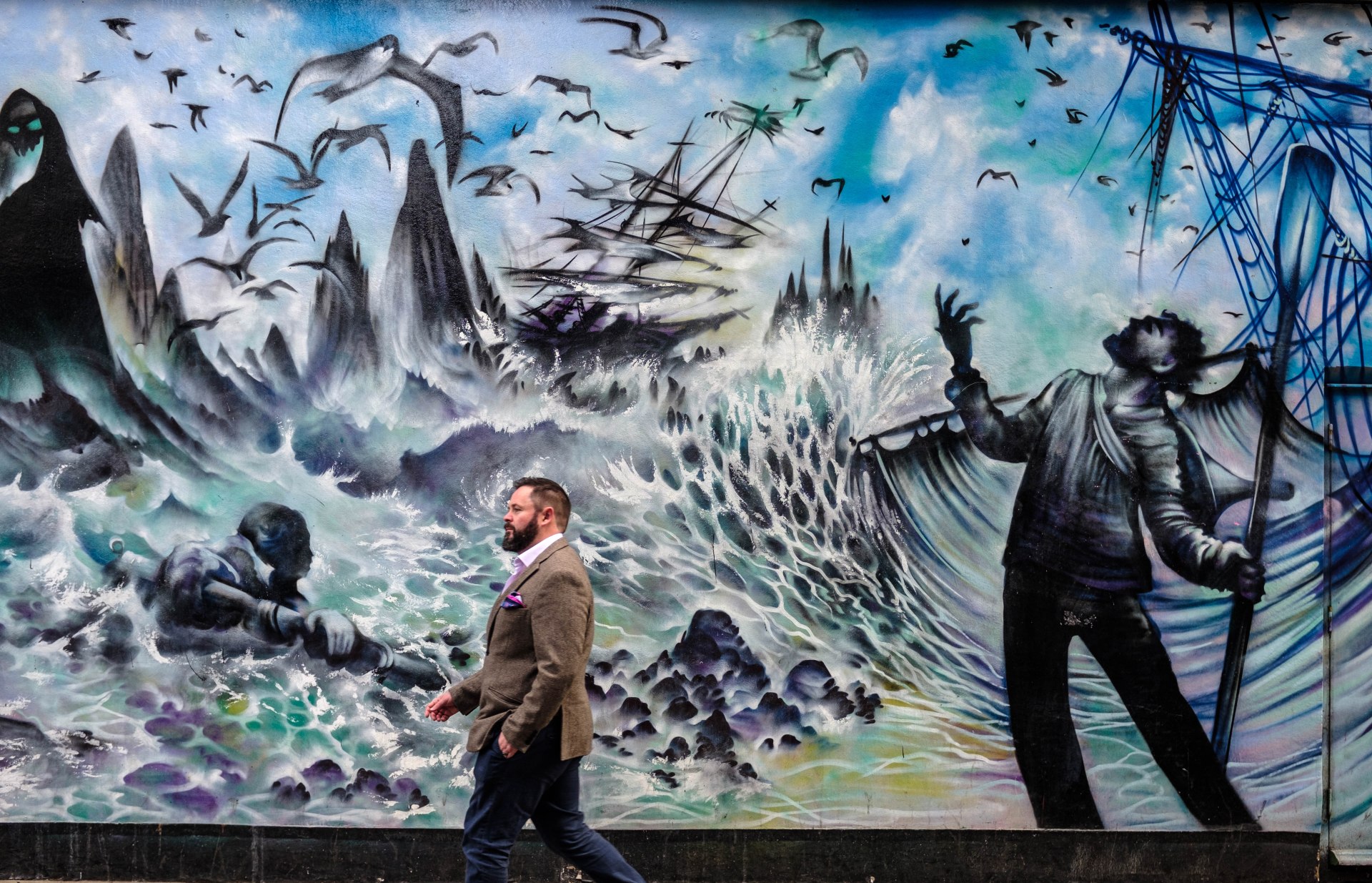
Fuji X100F Tele lens ISO 200 F4 1/300s

Fuji X100F Tele lens ISO 800 F8 1/28s
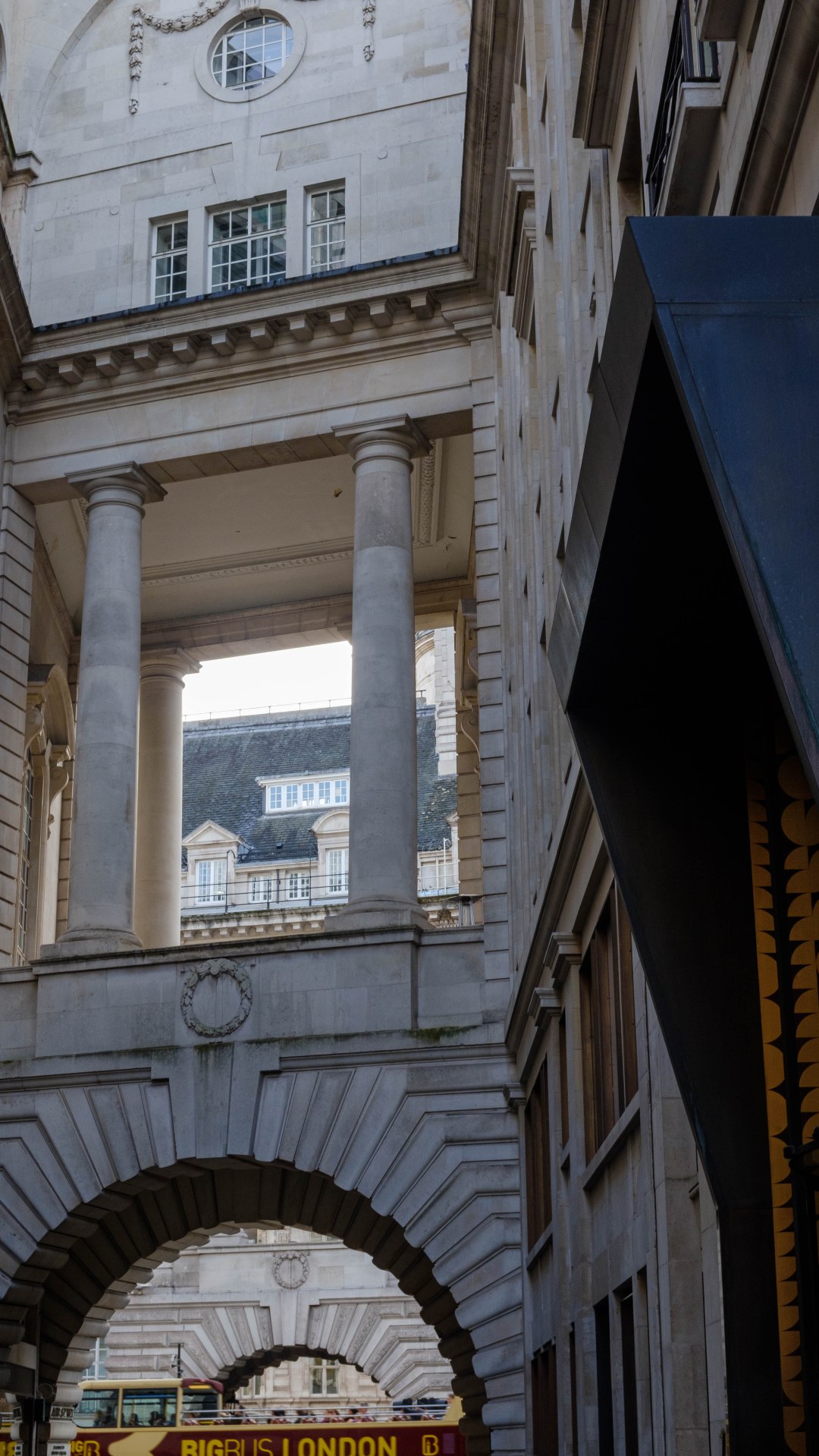
Fuji X100F Tele lens ISO 500 F11 1/60s
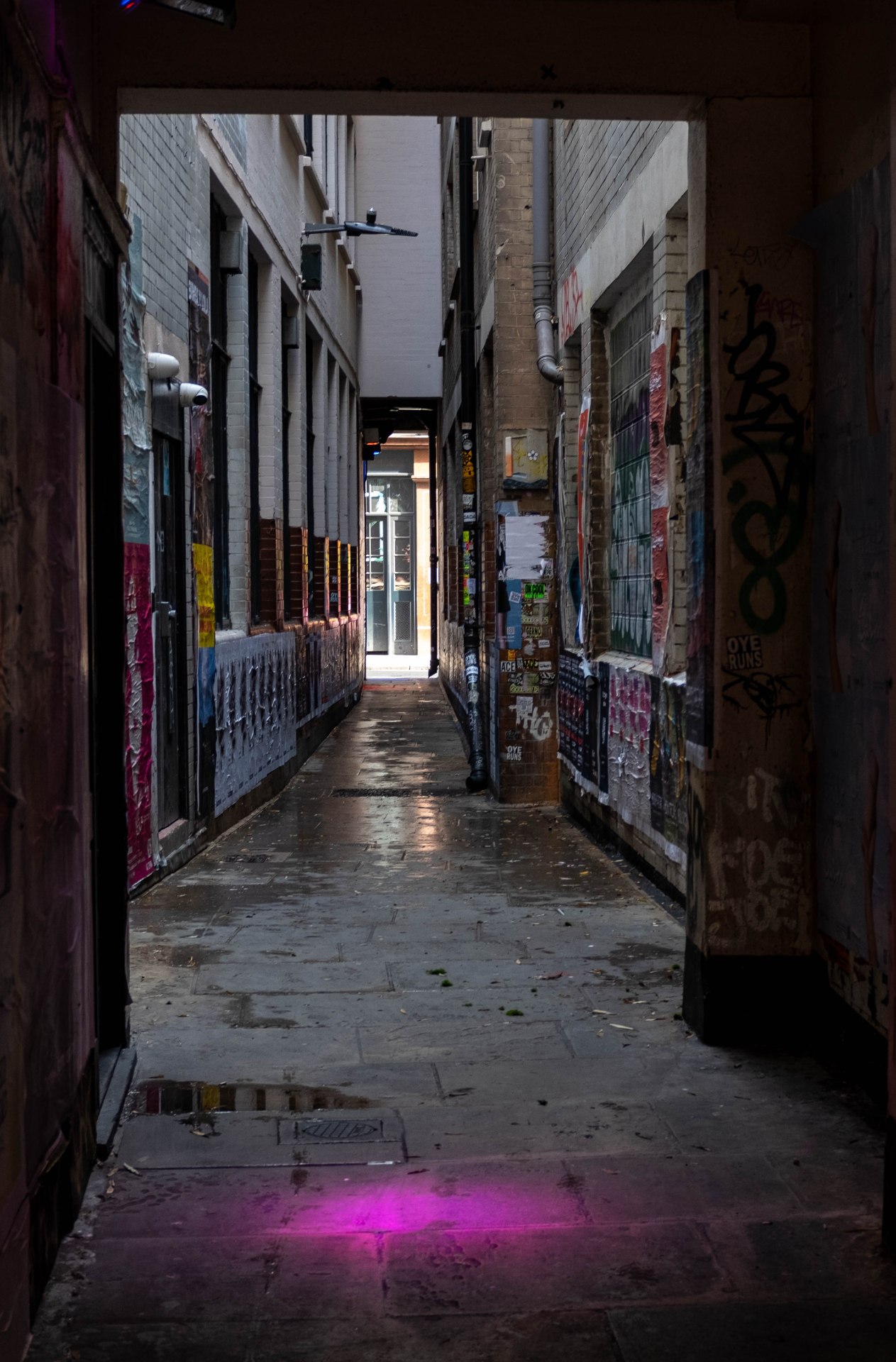
Fuji X100F Tele lens ISO 640 F4 1/60s
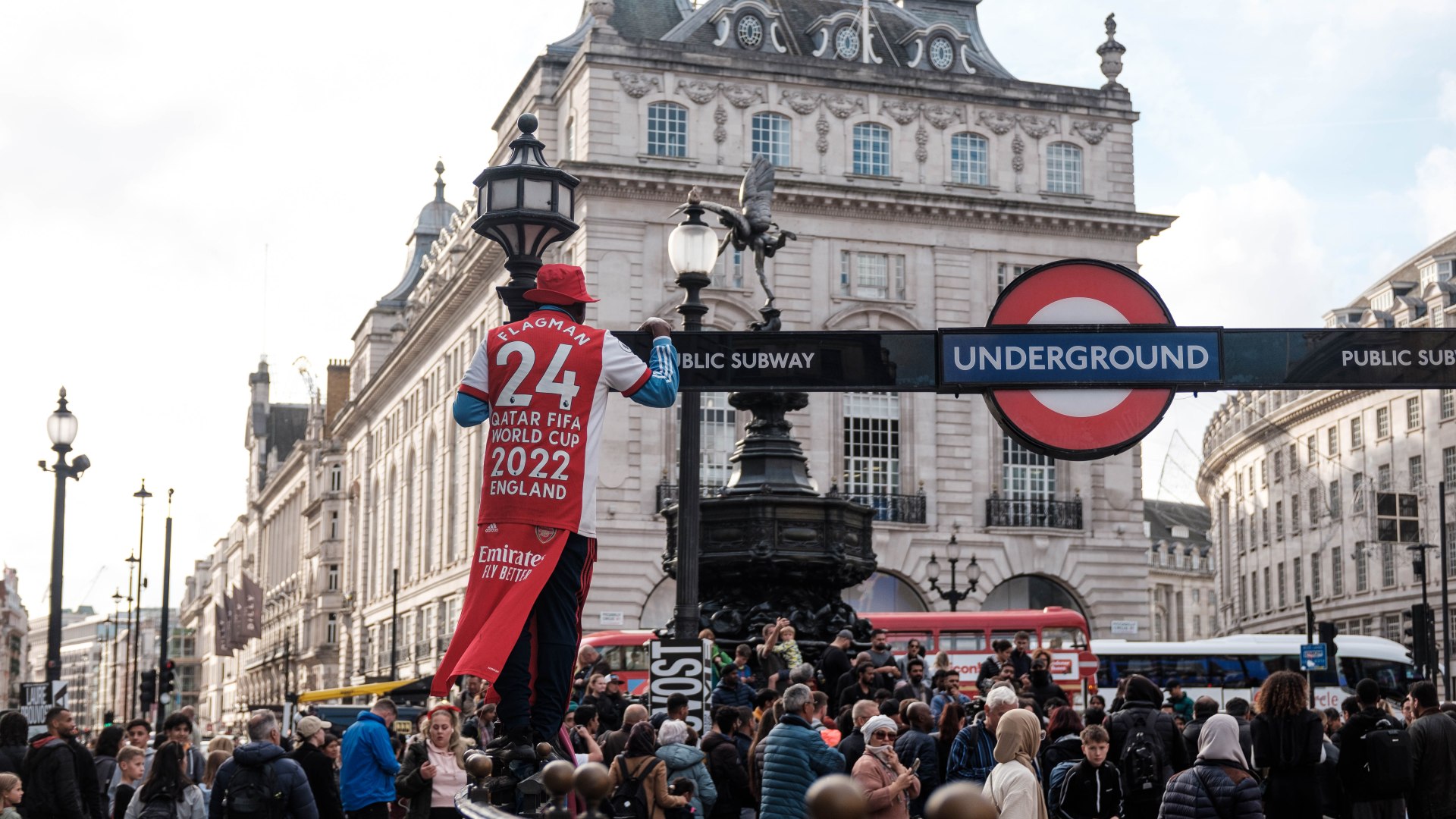
Fuji X100F Tele lens ISO 200 F2.8 1/1250s
Exploring the use of black and white in the West End
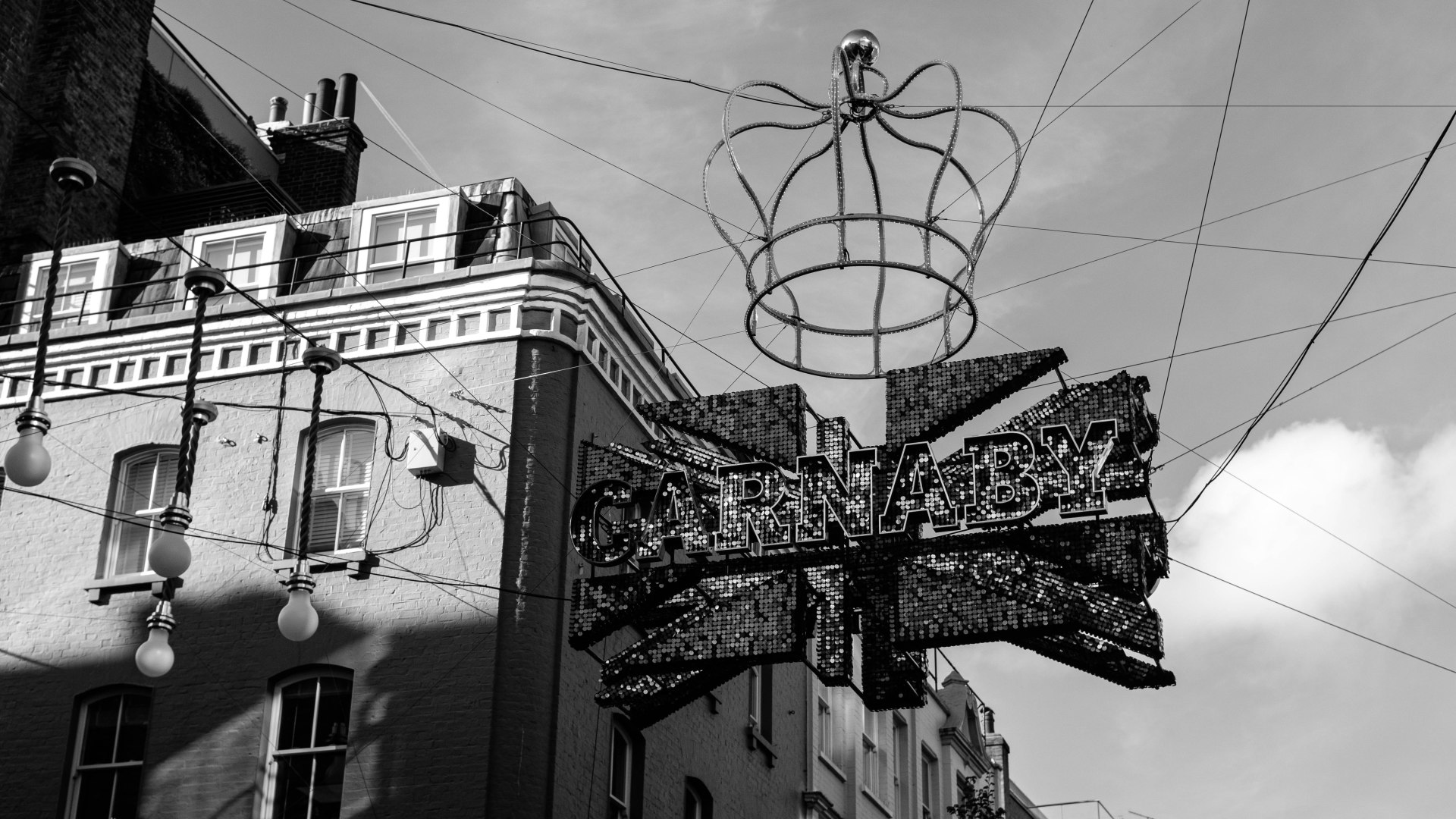
Fuji X100F Tele lens ISO 200 F5.6 1/750s
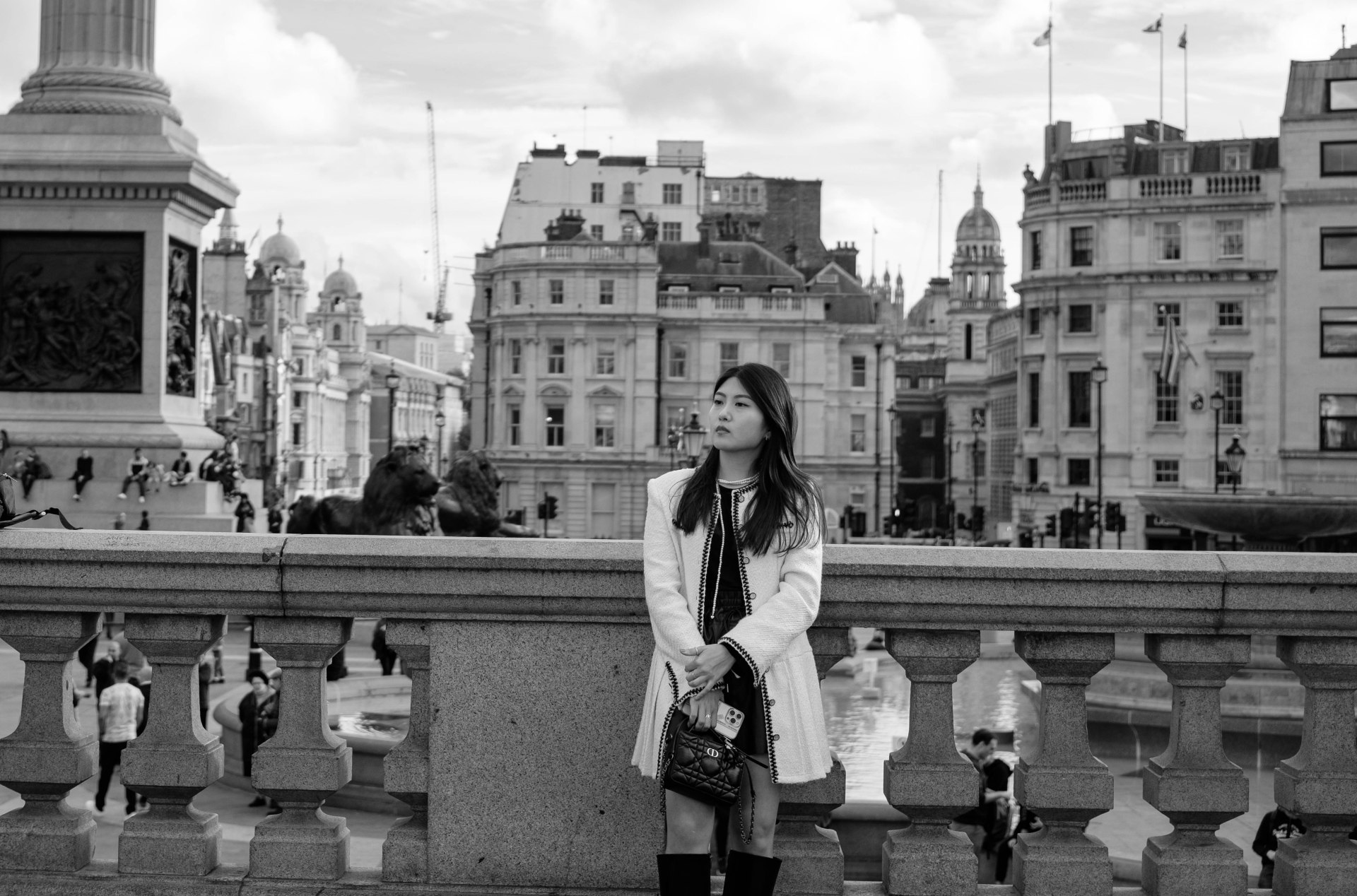
Fuji X100F Tele lens ISO 200 F2.8 1/1250s

FujiX100F Tele lens ISO 200 F2.8 1/350s
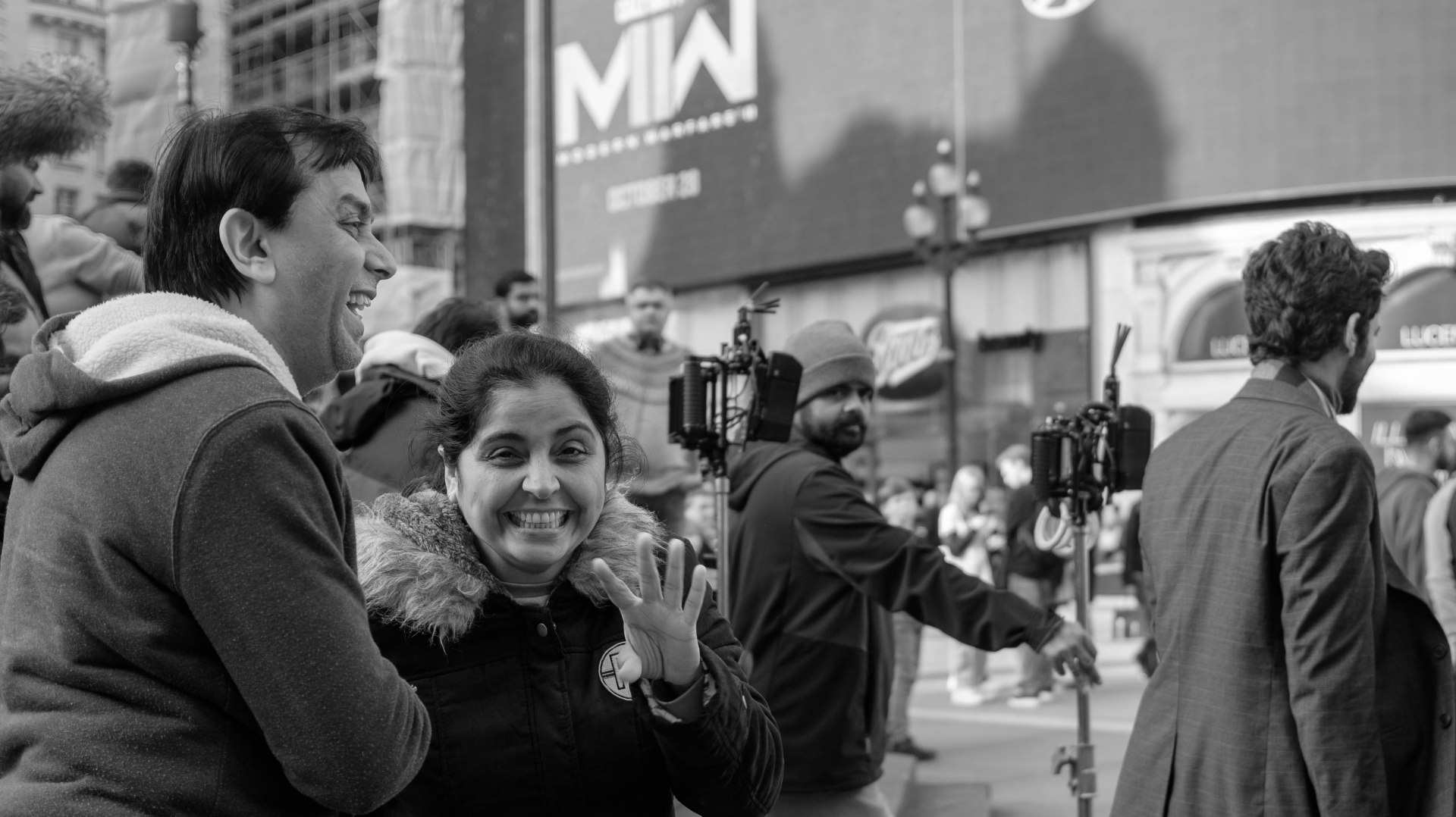
FujiX100F Tele lens ISO 200 F2.8 1/450s
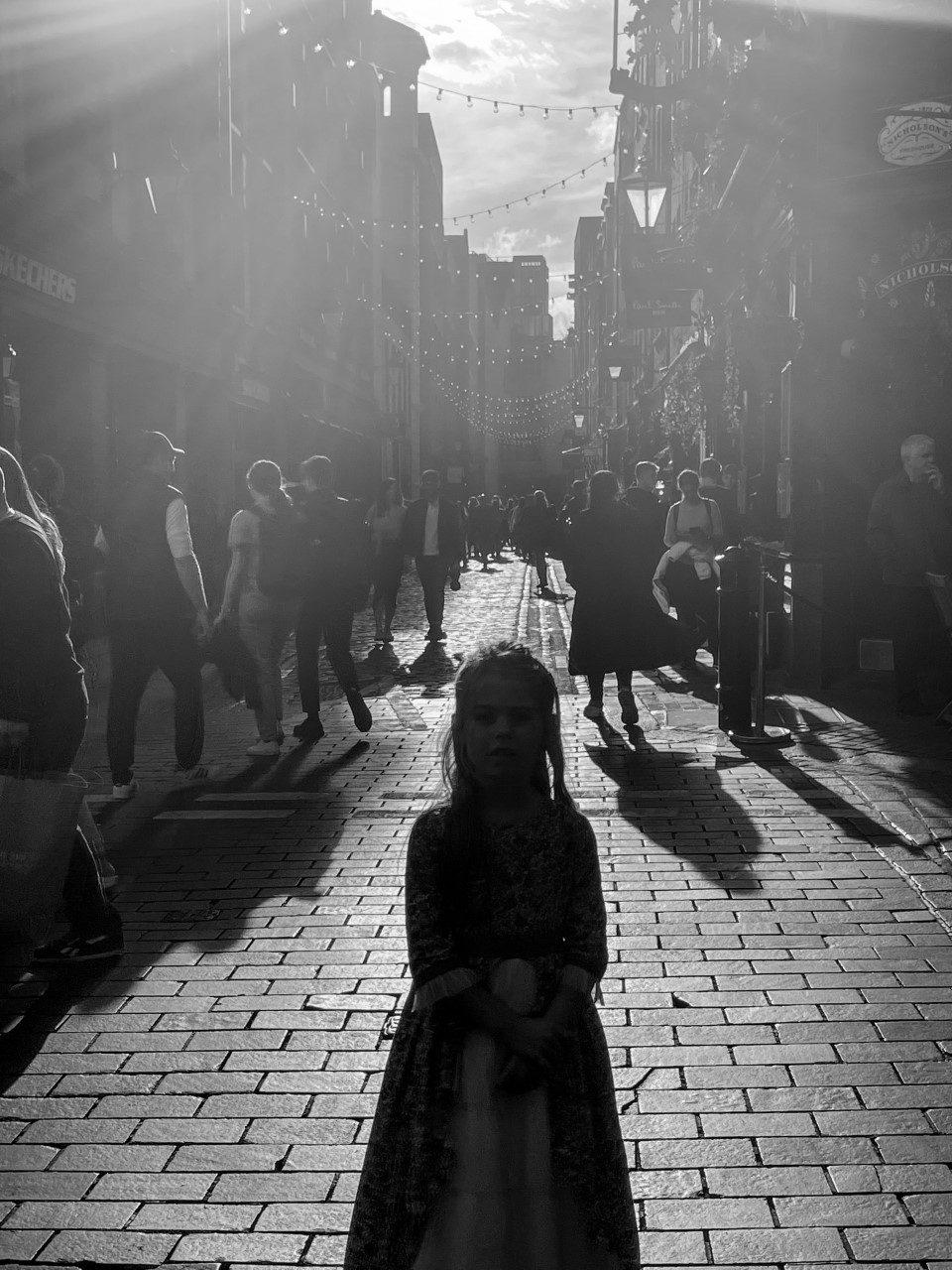
Apple I Phone 12 Pro Max 26 mm ISO 32 F1.6 1/10000s
Colour in Richmond
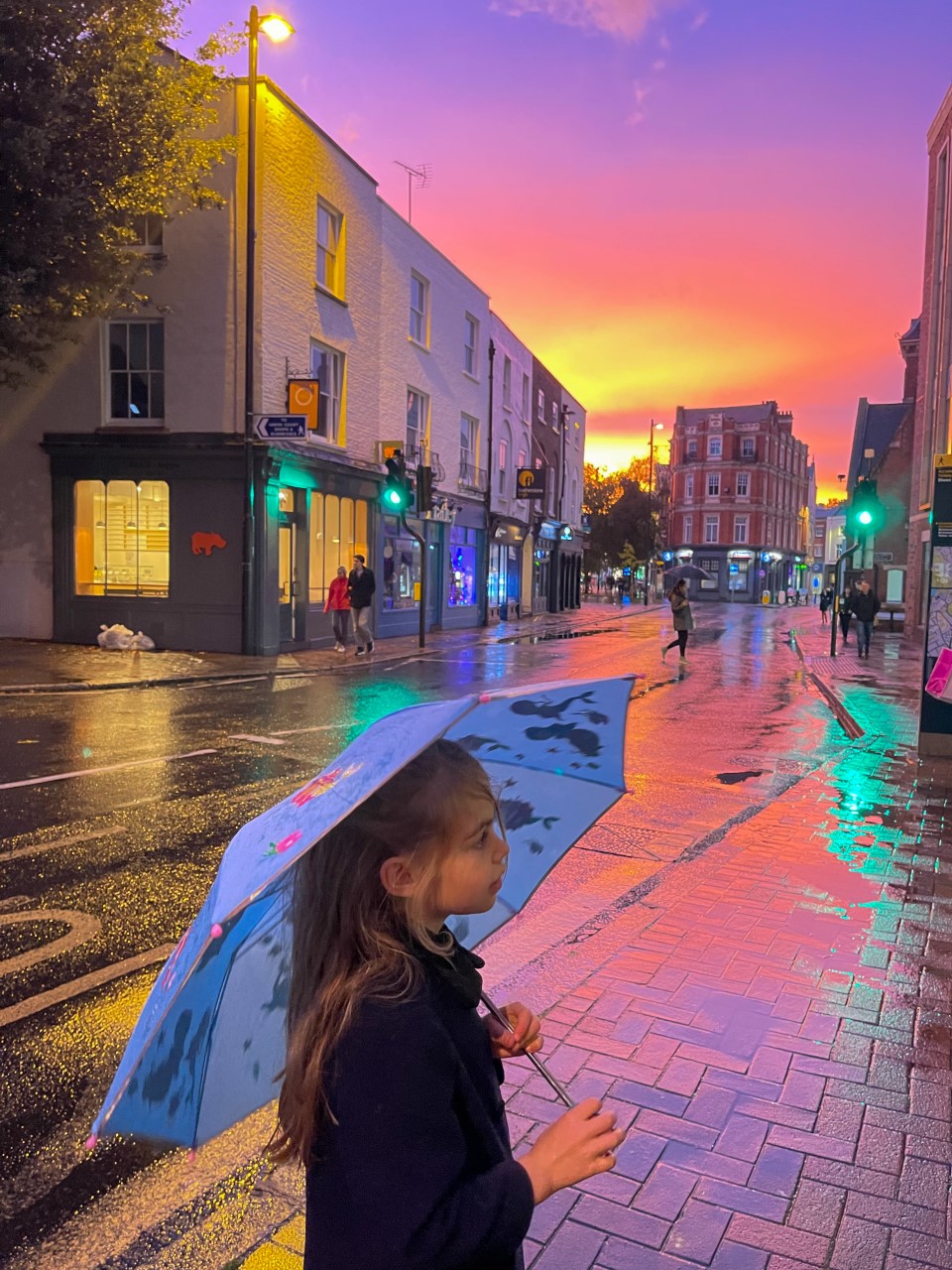
Apple iphone 12 Pro Max 26mm ISO 400 F1.6 1/50s
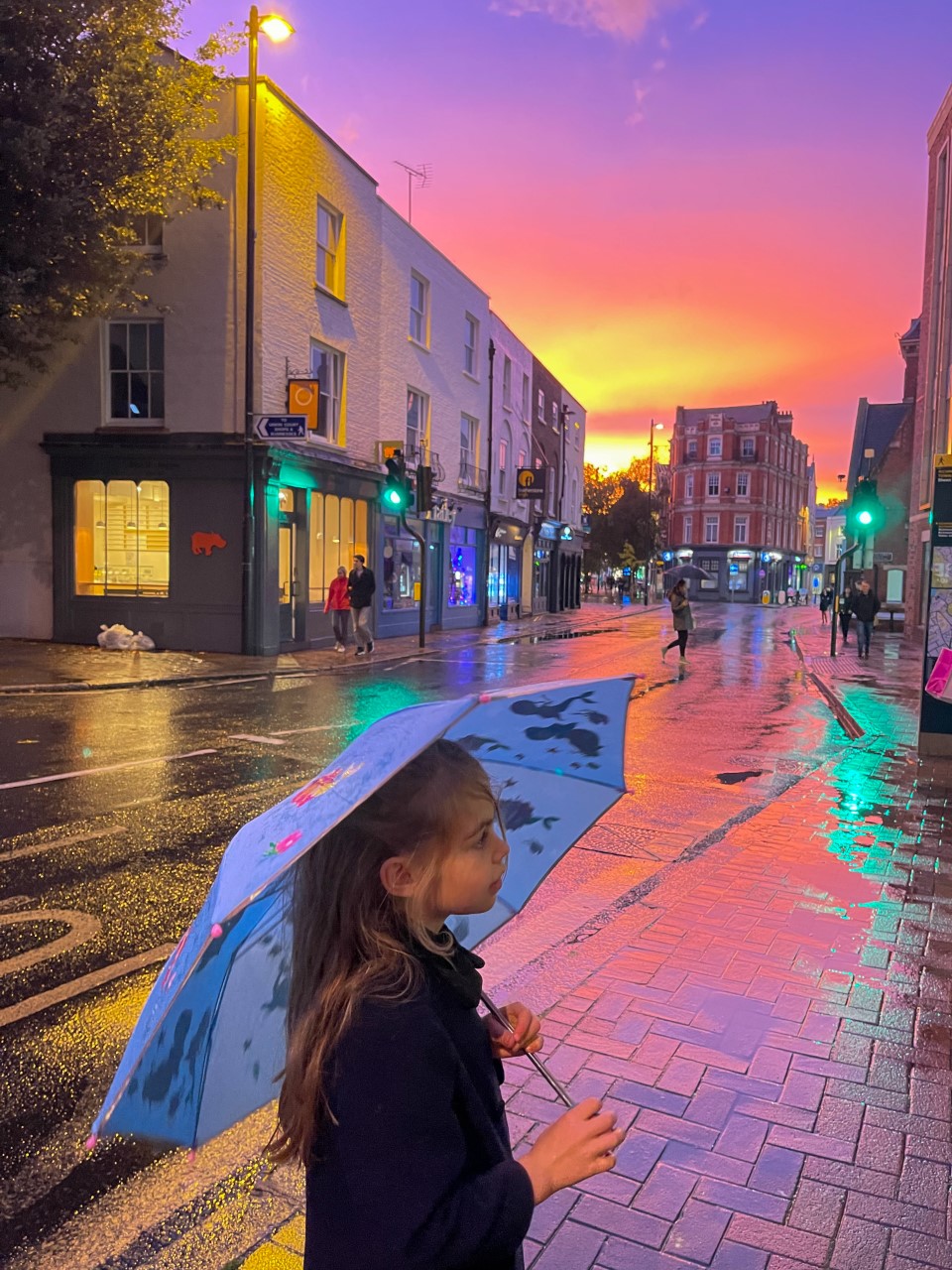

The picture above taken in Richmond after a thunderstorm, it reminded me of an image Jay Maisel captured with a little girl and the use of light and pretty colours in the rain.
Week 2
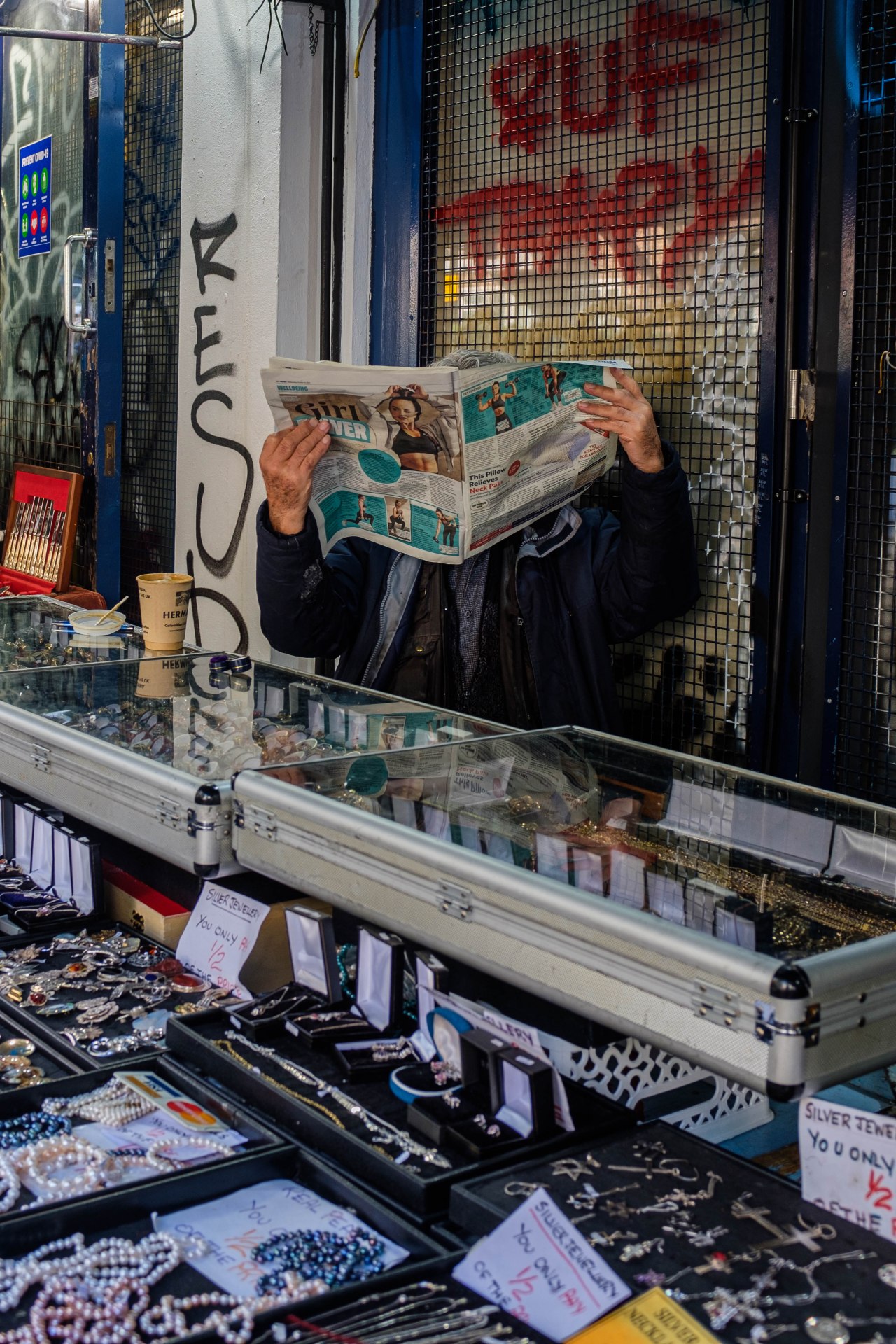
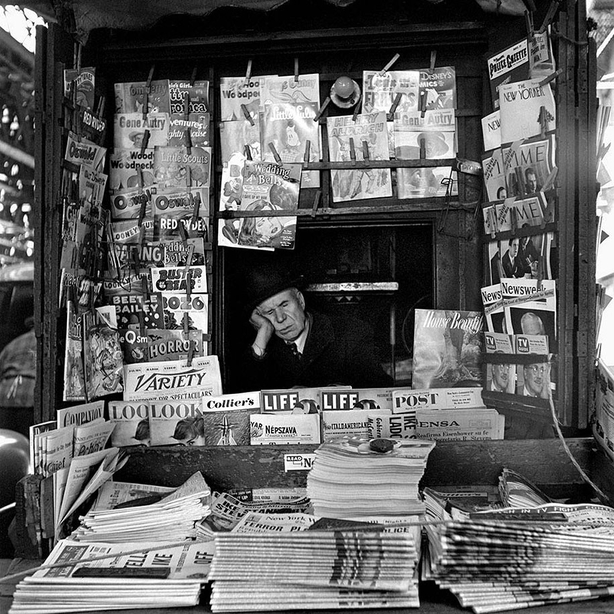
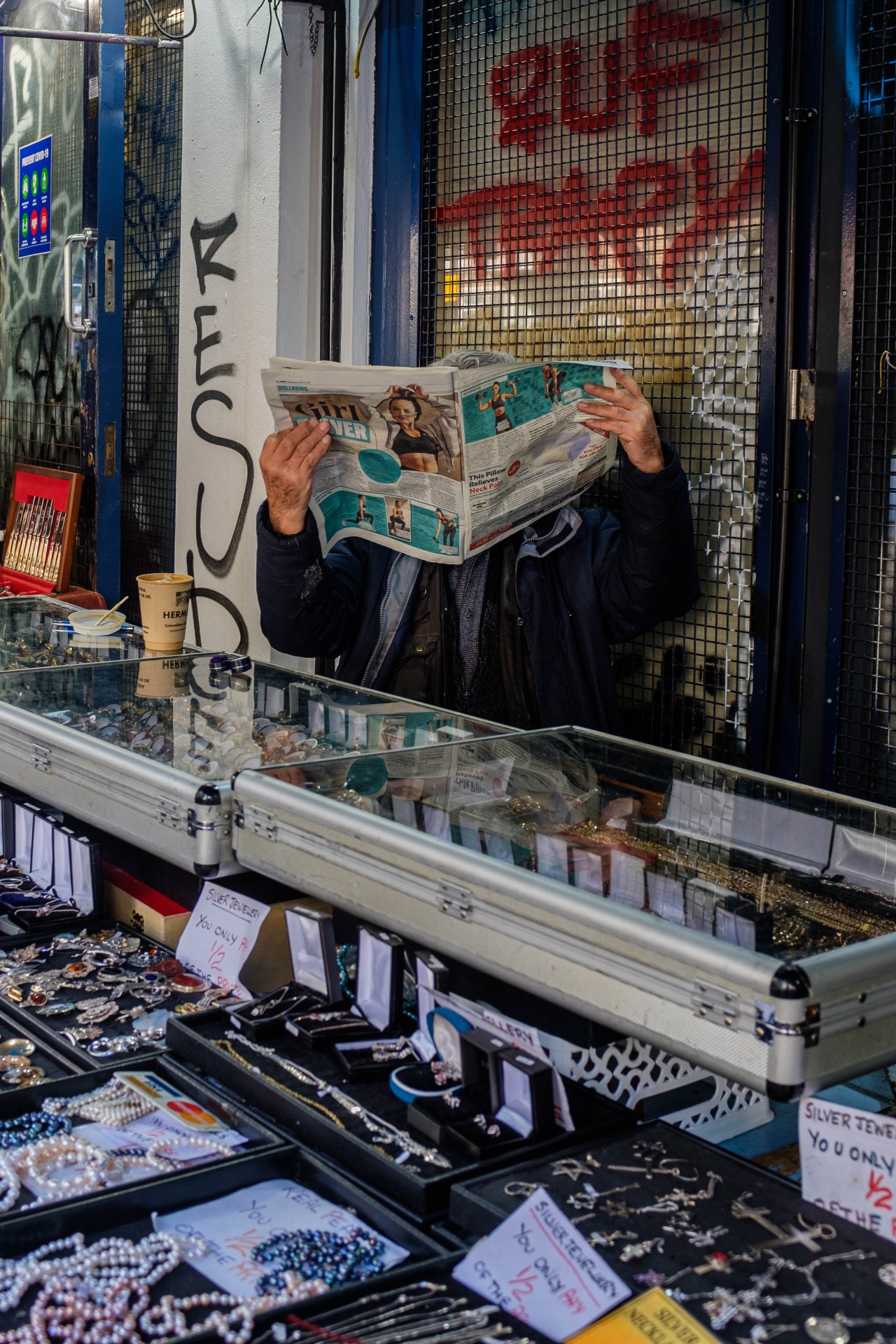
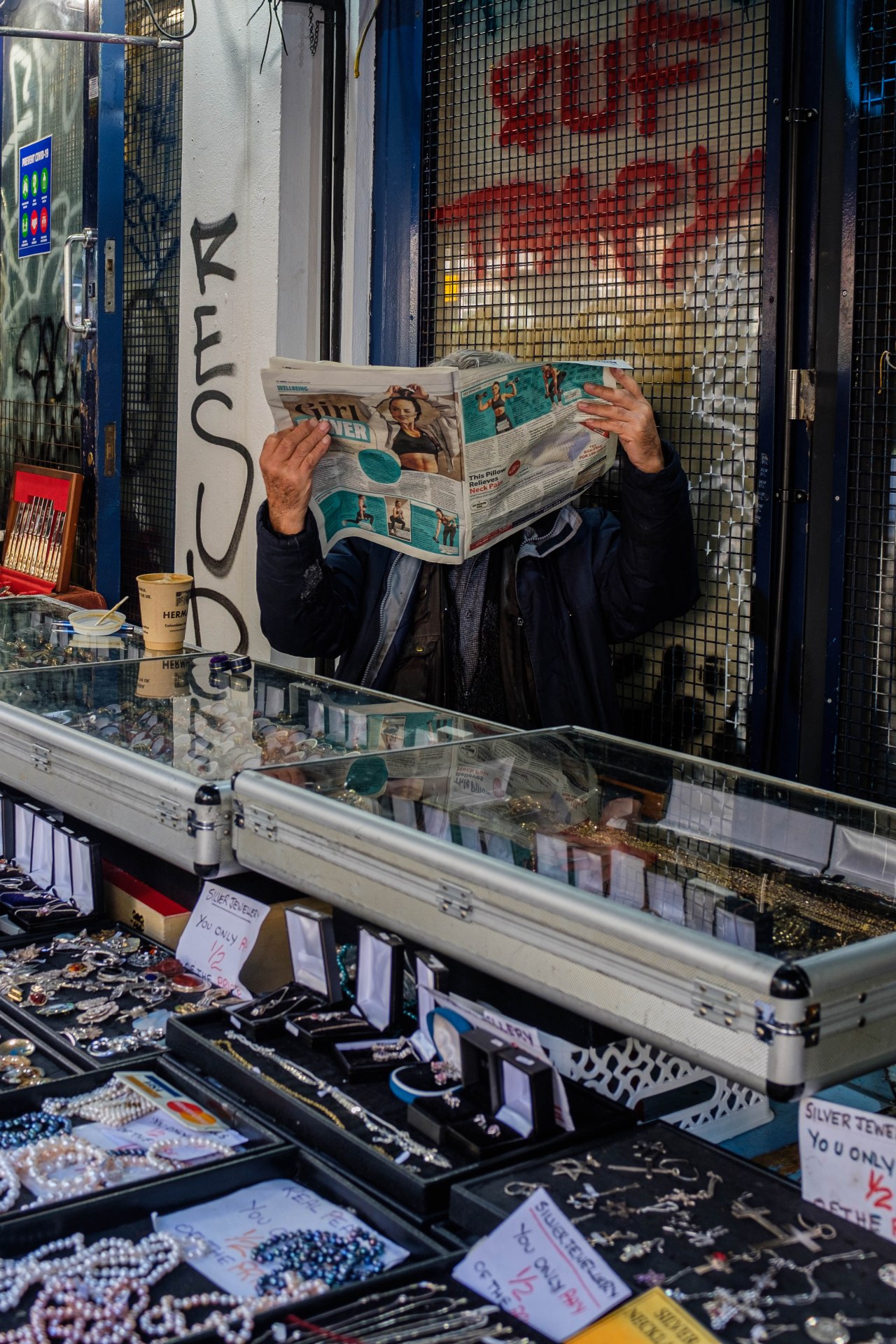
The picture I captured of the man reading his newpaper close up to his face on his market stall in Notting Hill reminded me of the gentleman Vivian Maier captured in the newspaper stand.
FujiX100F Tele lens ISO 200 F2.8 1/350s

Fuji X100F Tele lens ISO 200 F5.6 1/750s
FUJIX100F Tele Lens F5.6 ISO 400 1/170s
FUJIX100F Tele lens F6.4 ISO 1600 1/60s
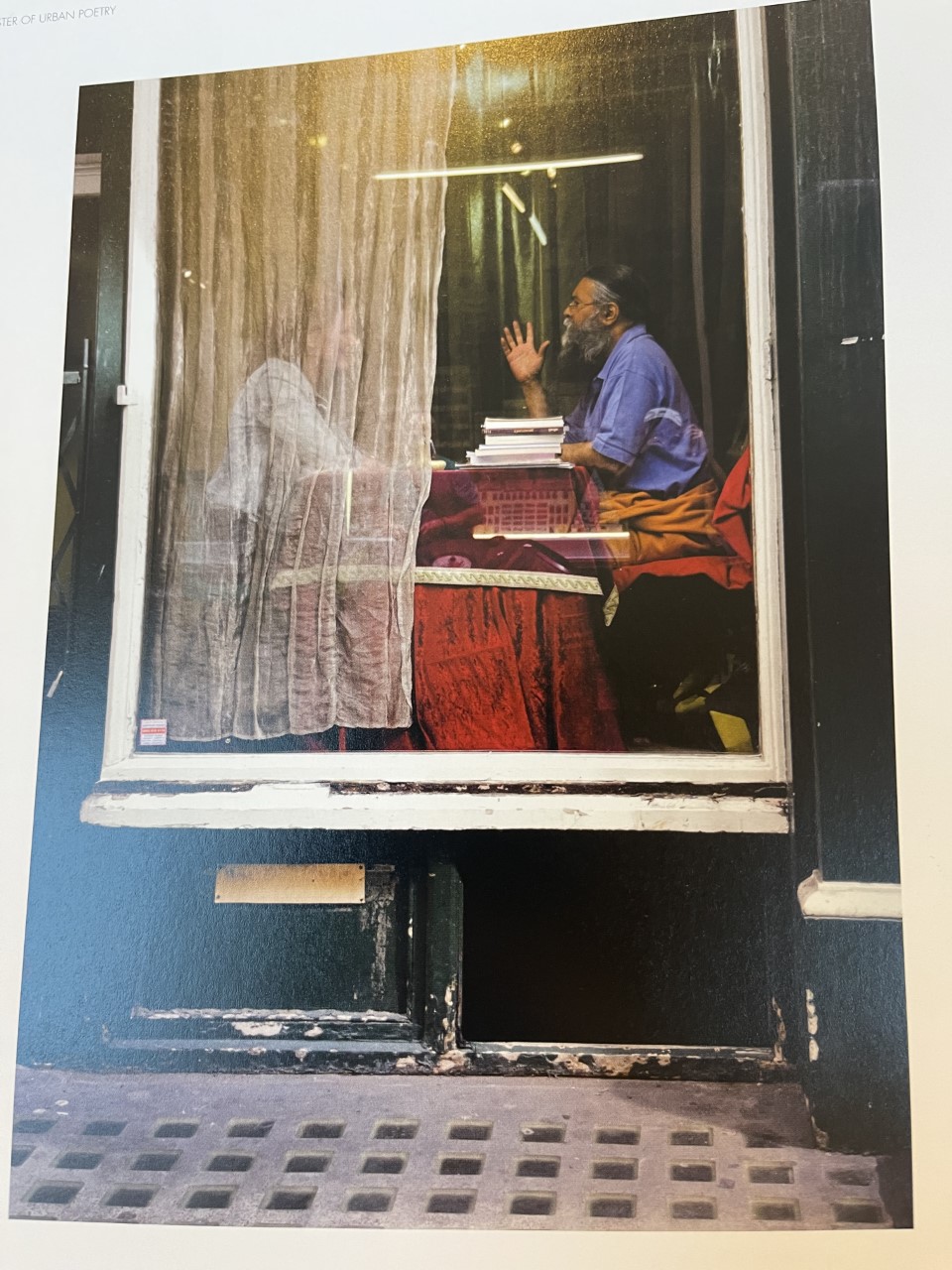

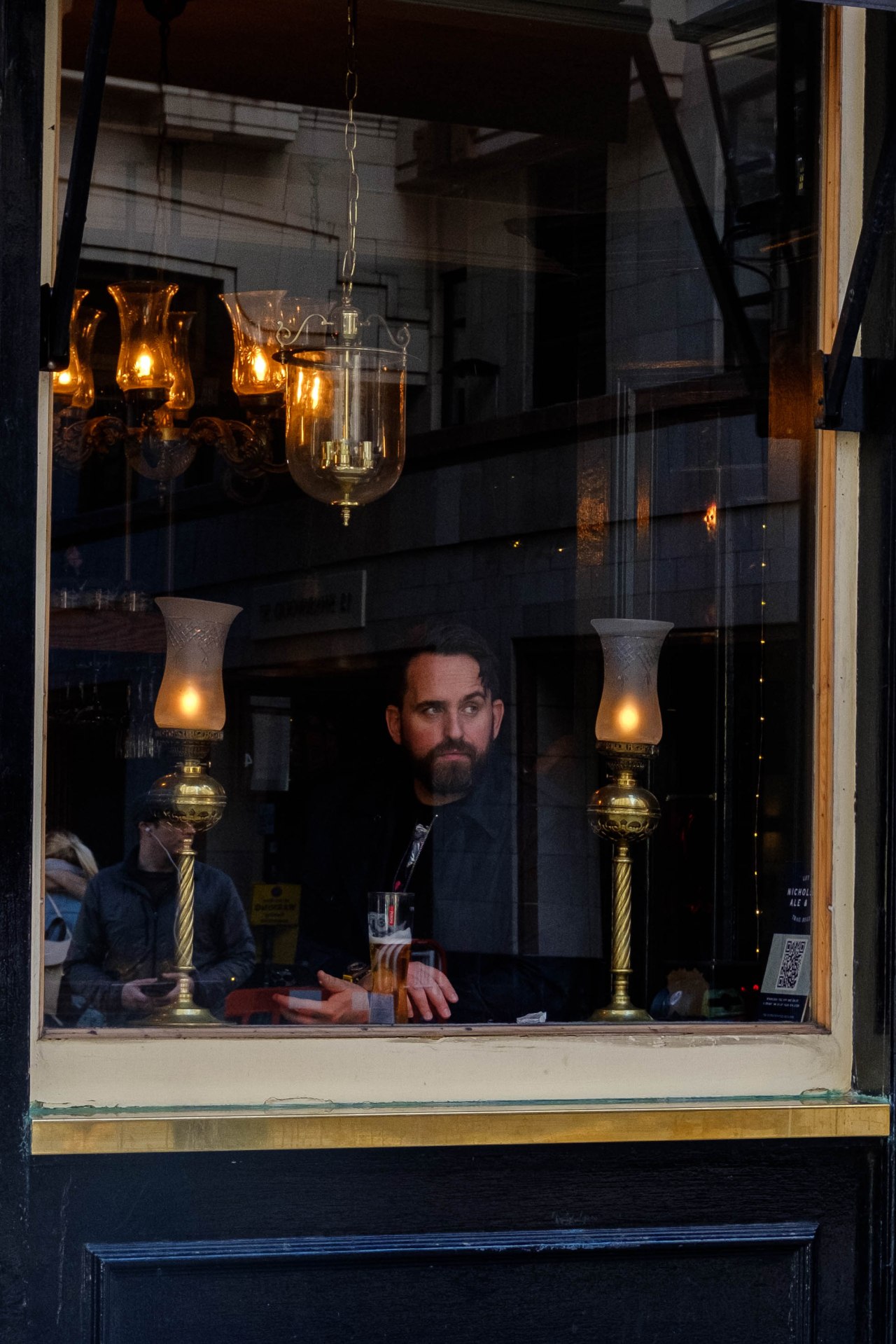
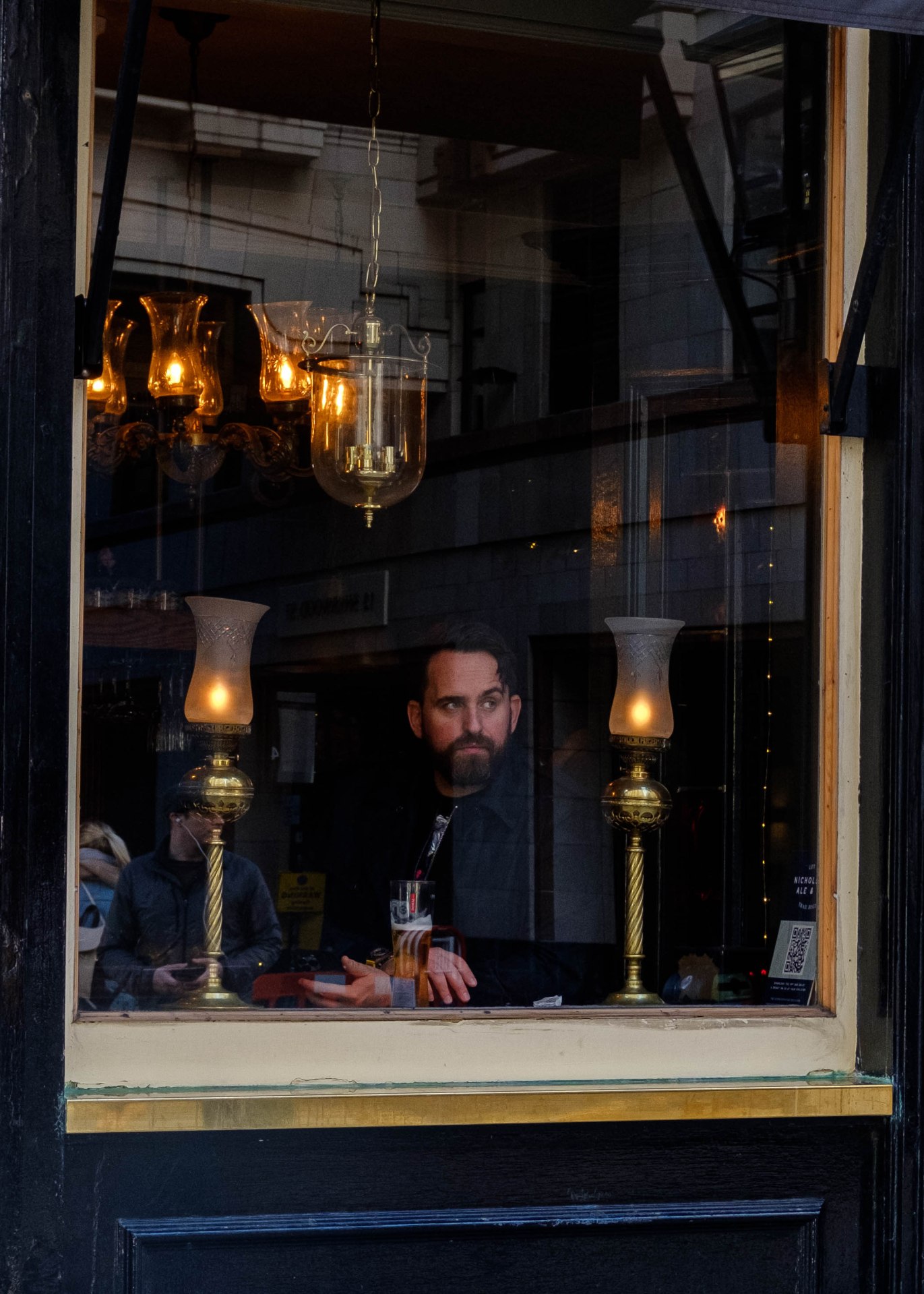
The image above framed through the window, not only reminded me of a Rembrandt painting but also of the work of Paul Burgess in the Masters of Street Photography book. “Its intriguing and you wonder what the story is”

FUJIX100F Tele lens F4 ISO400 1/125s
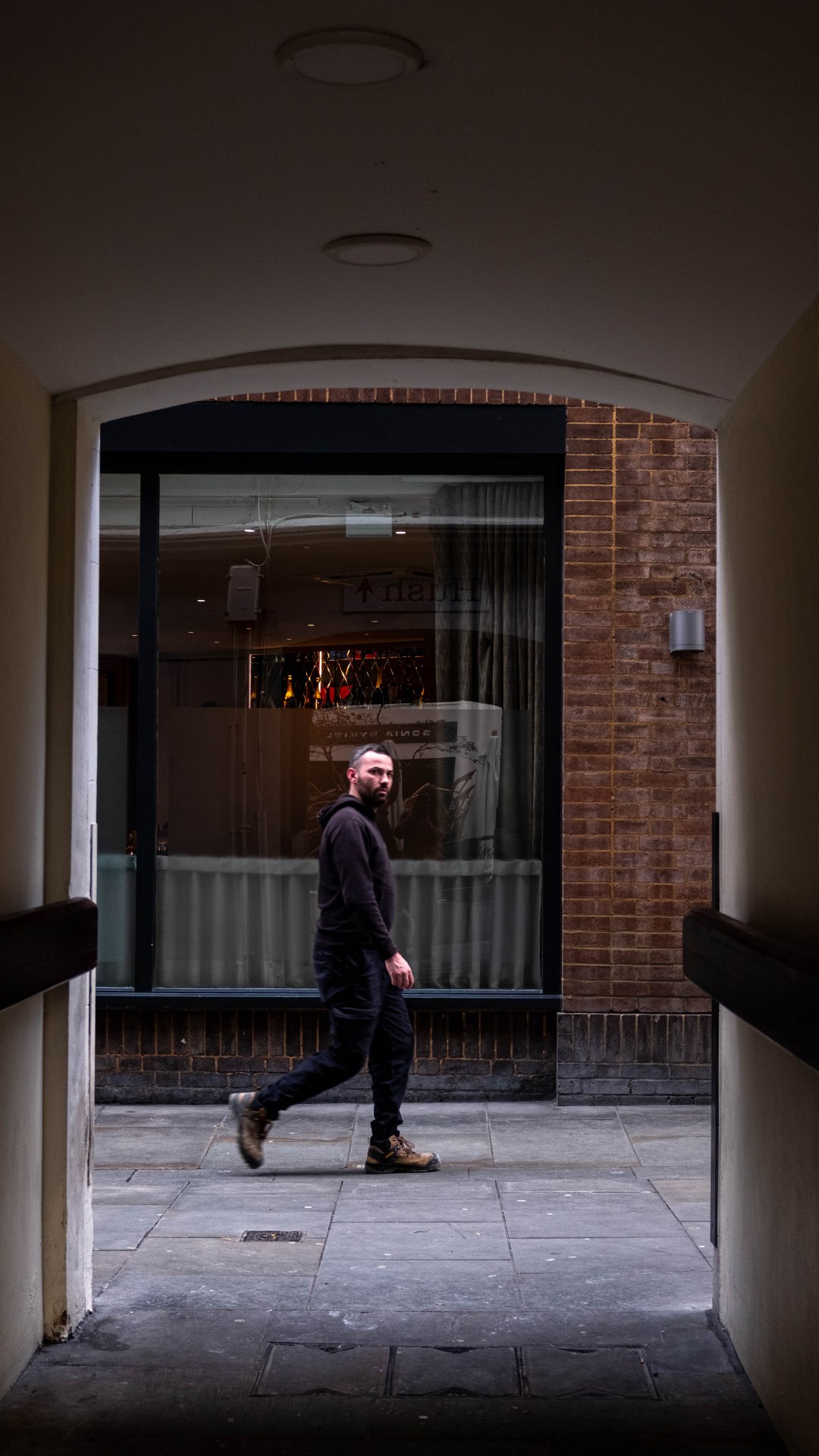
FUJIX100F Tele lens F4 ISO 400 1/170s

FUJIX100F Tele lens F6.4 ISO 800 1/60
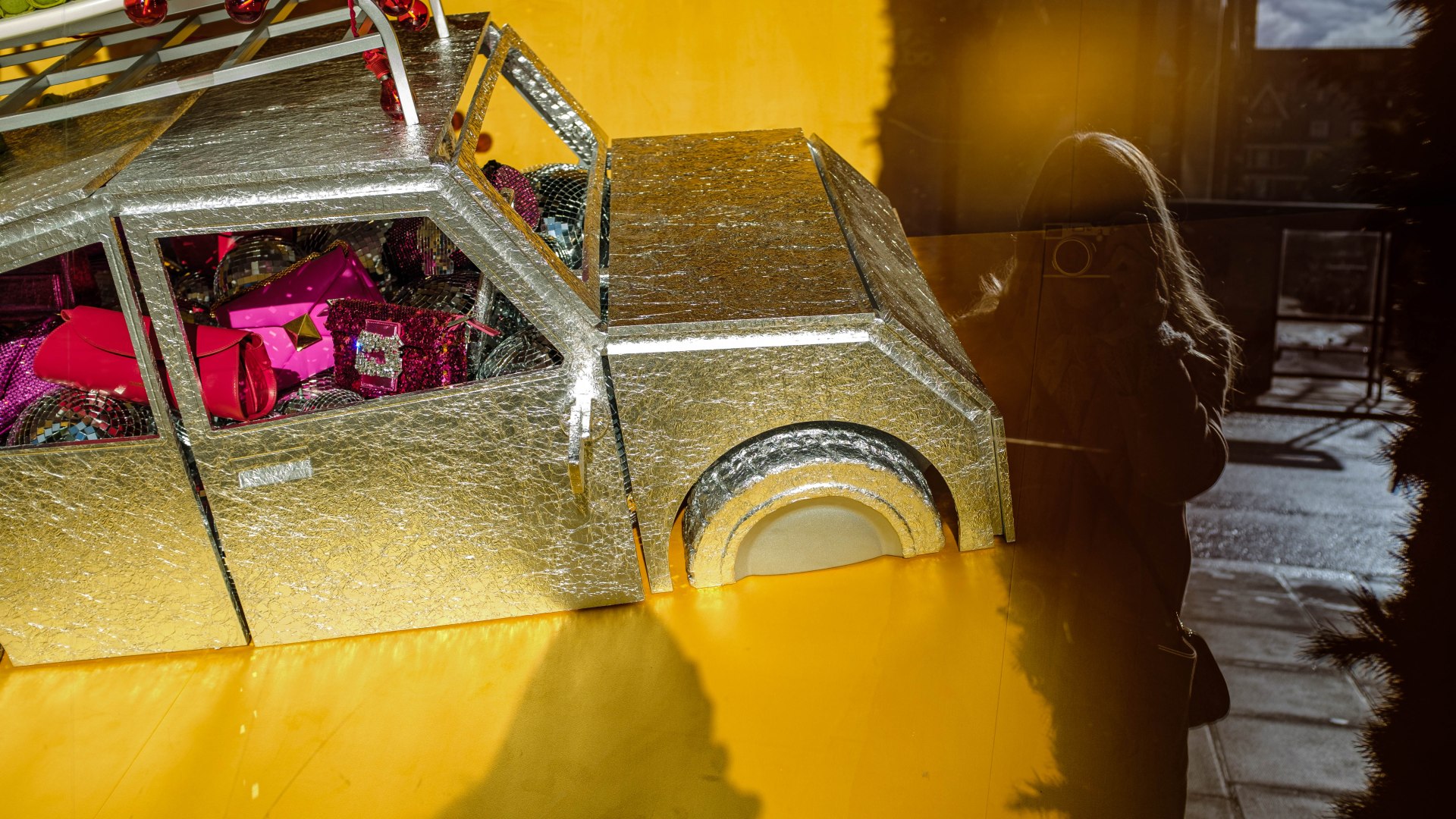
FUJIX100F 23m lens F2.8 ISO 200 1/1300s

FUJIX100F Tele lens F3.2 ISO 200 1/950s
Week 3 – LONDON

FUJIX100F 23m lens F4.5 ISO 200 1/2000 s
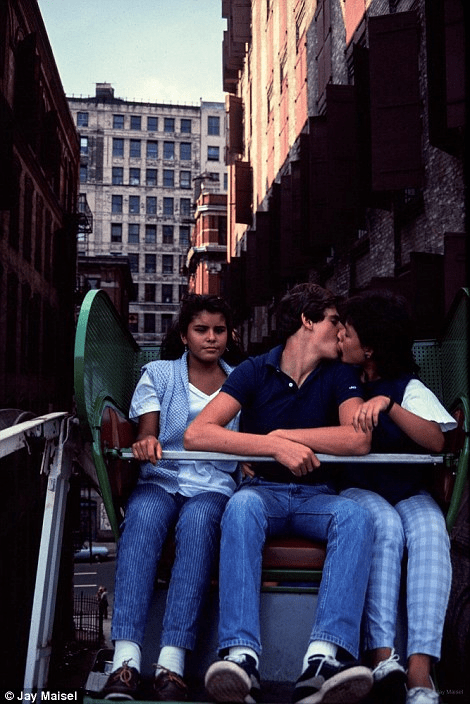

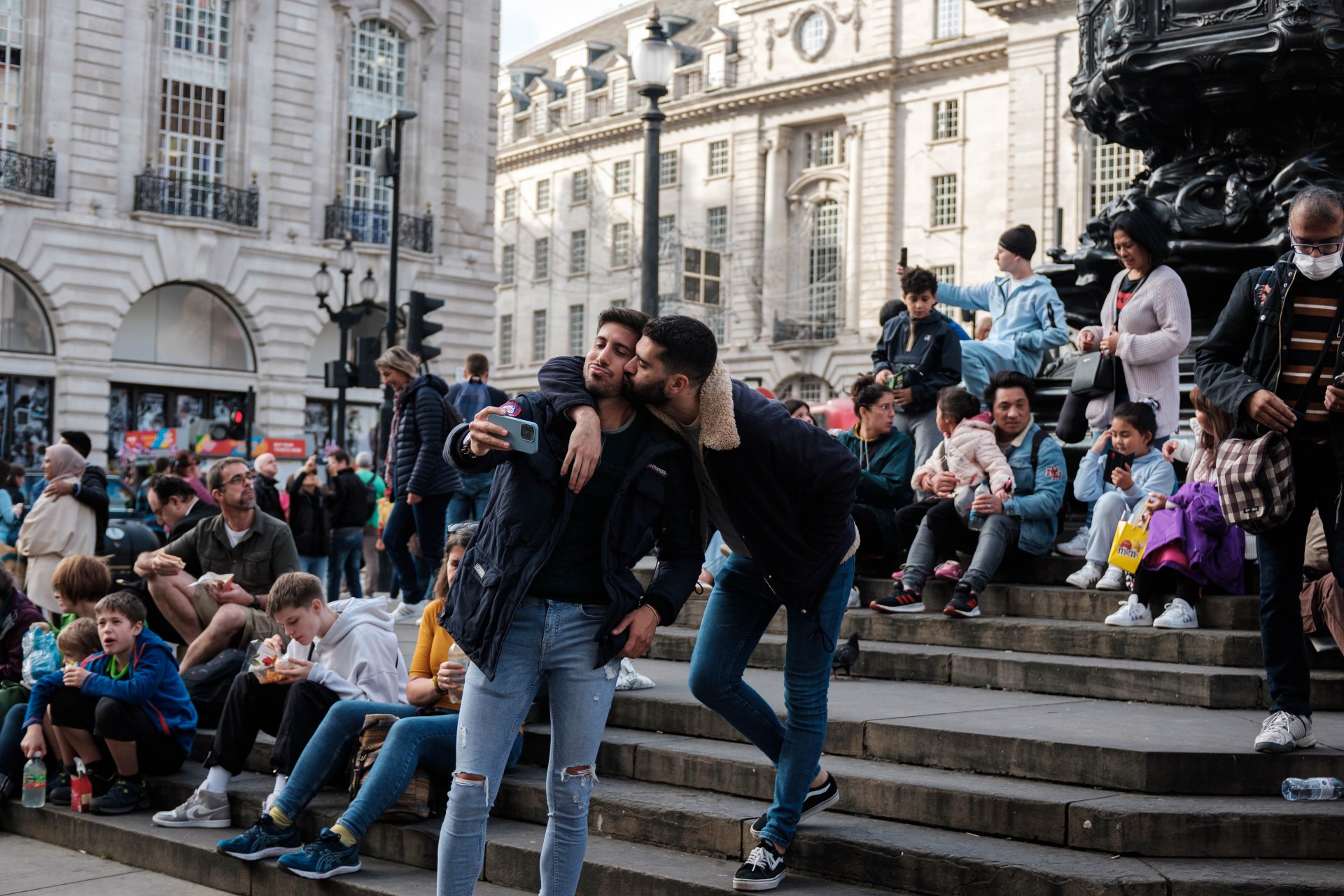
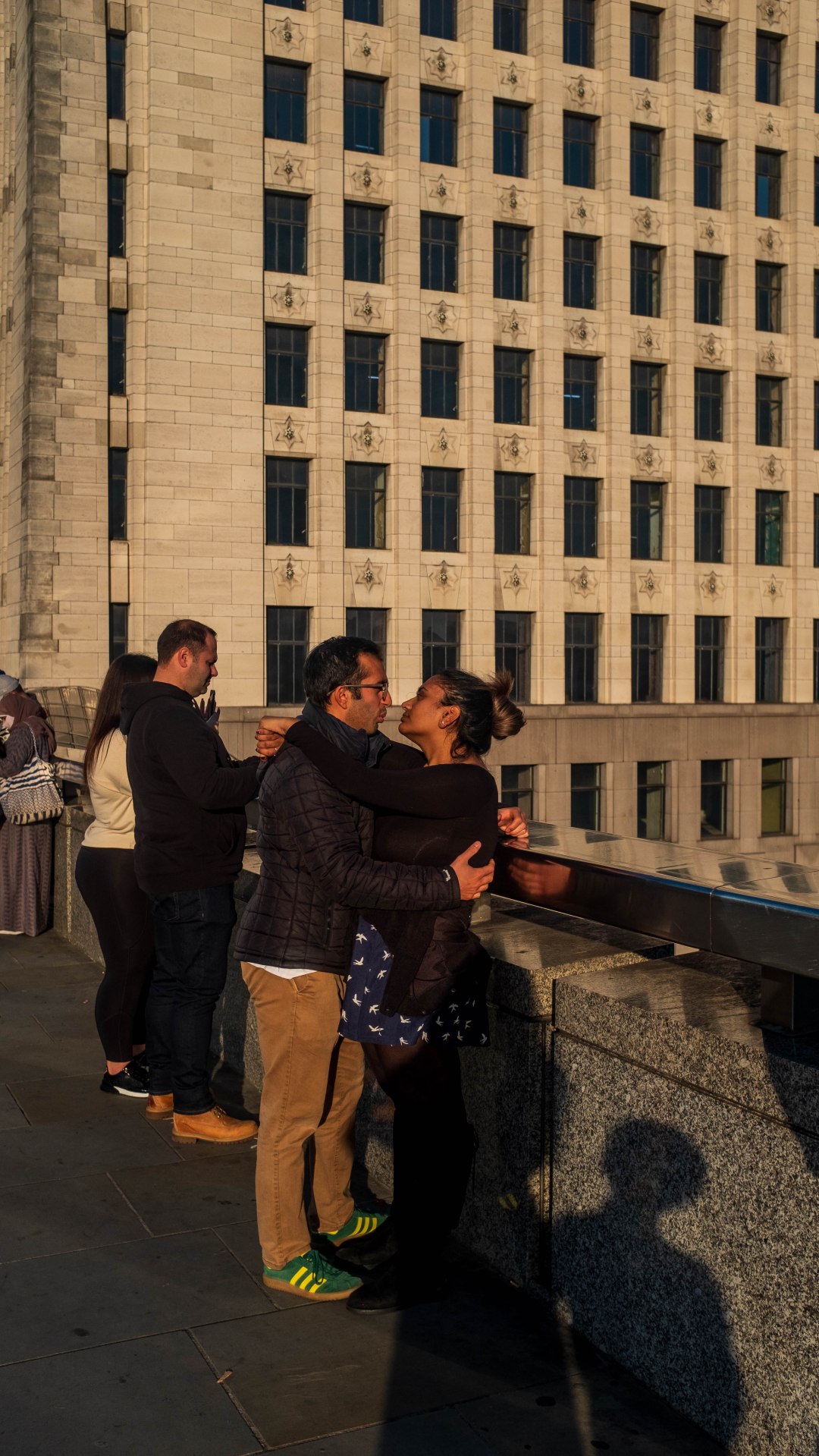
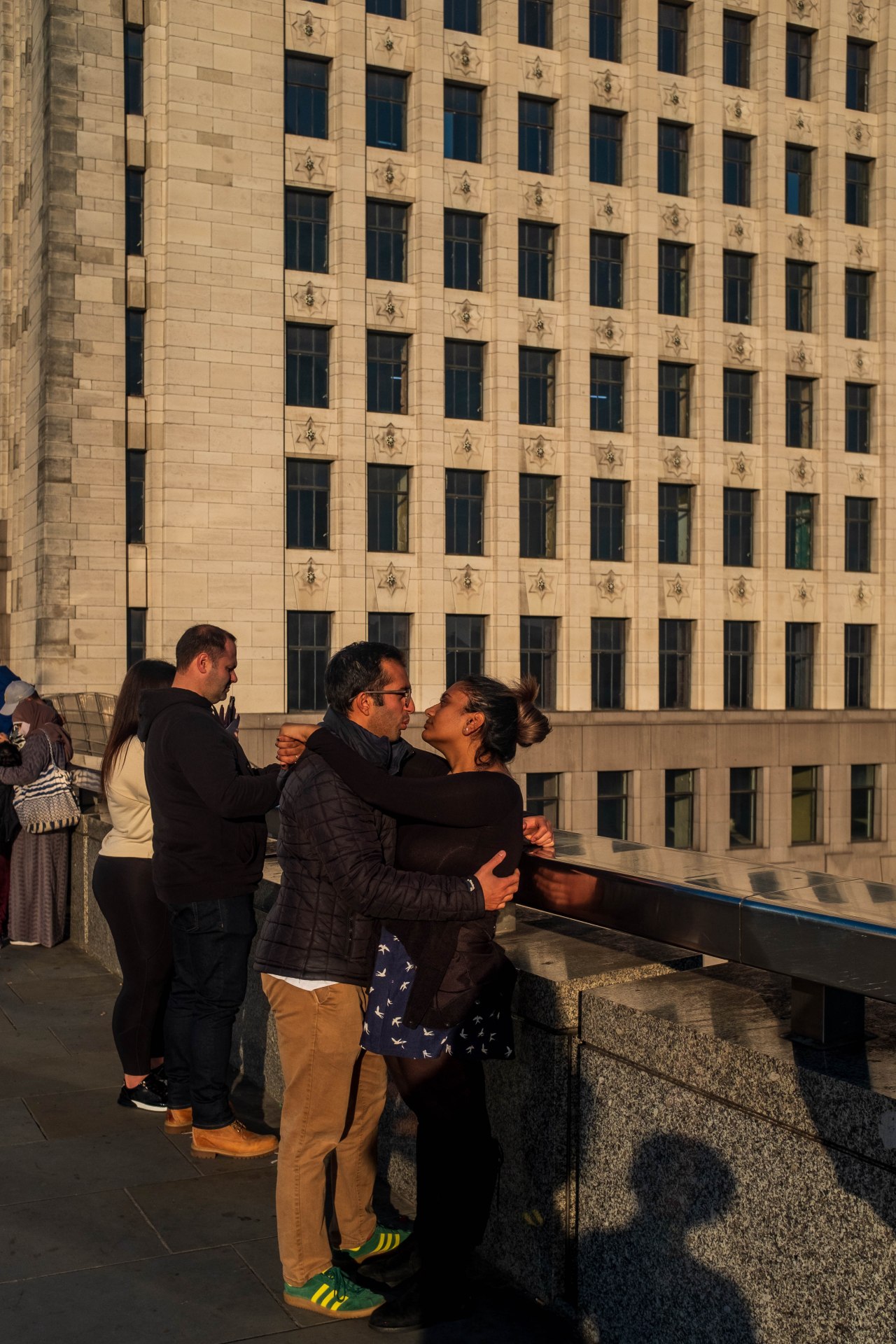
The image of the couple above and the gesture of love and kissing reminded me of anther Jay Maisel photograph of a couple kissing with the high rise buildings in the background.
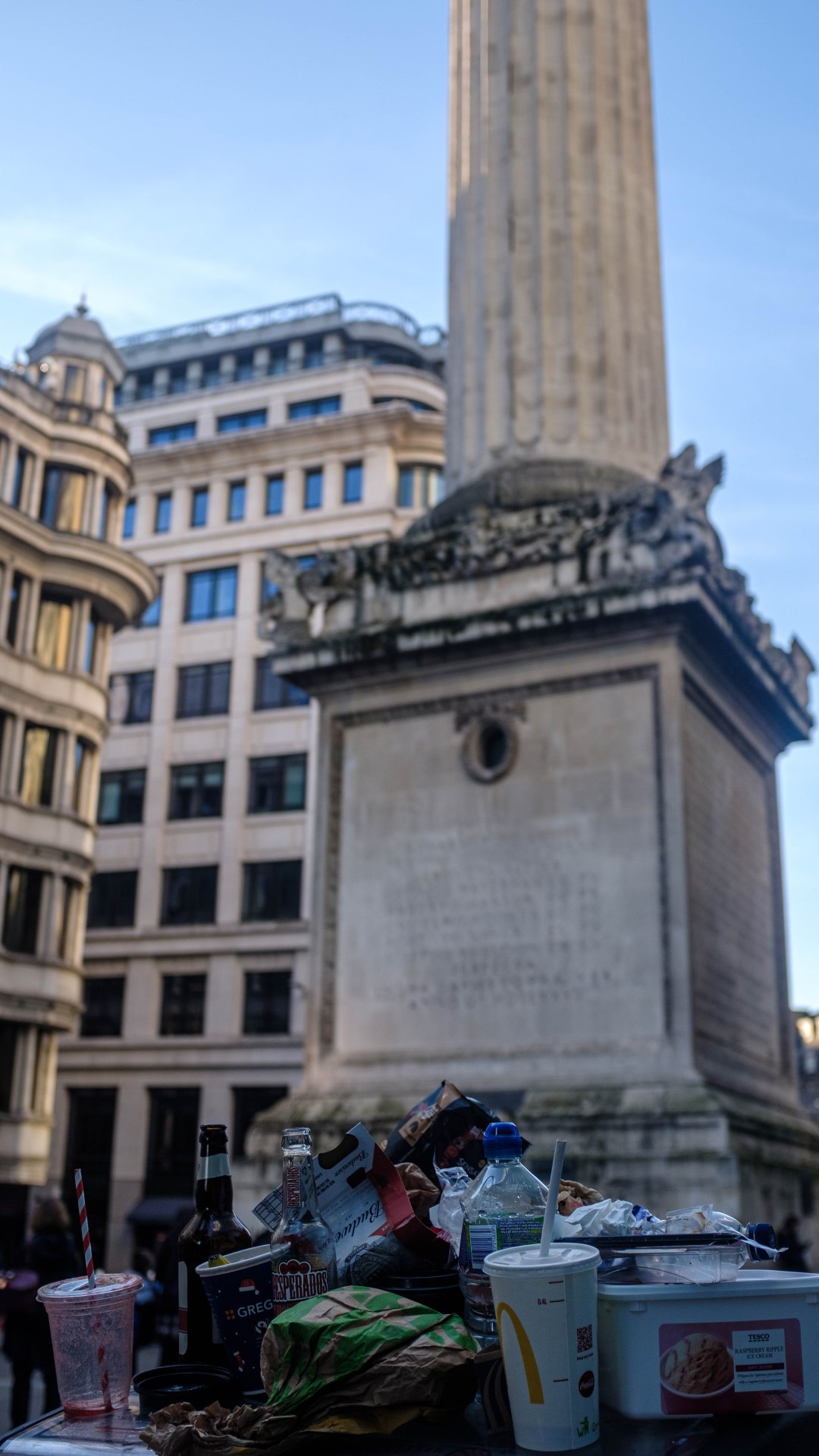
FUJIX100F 23m lens F2.8 ISO 400 1/550s
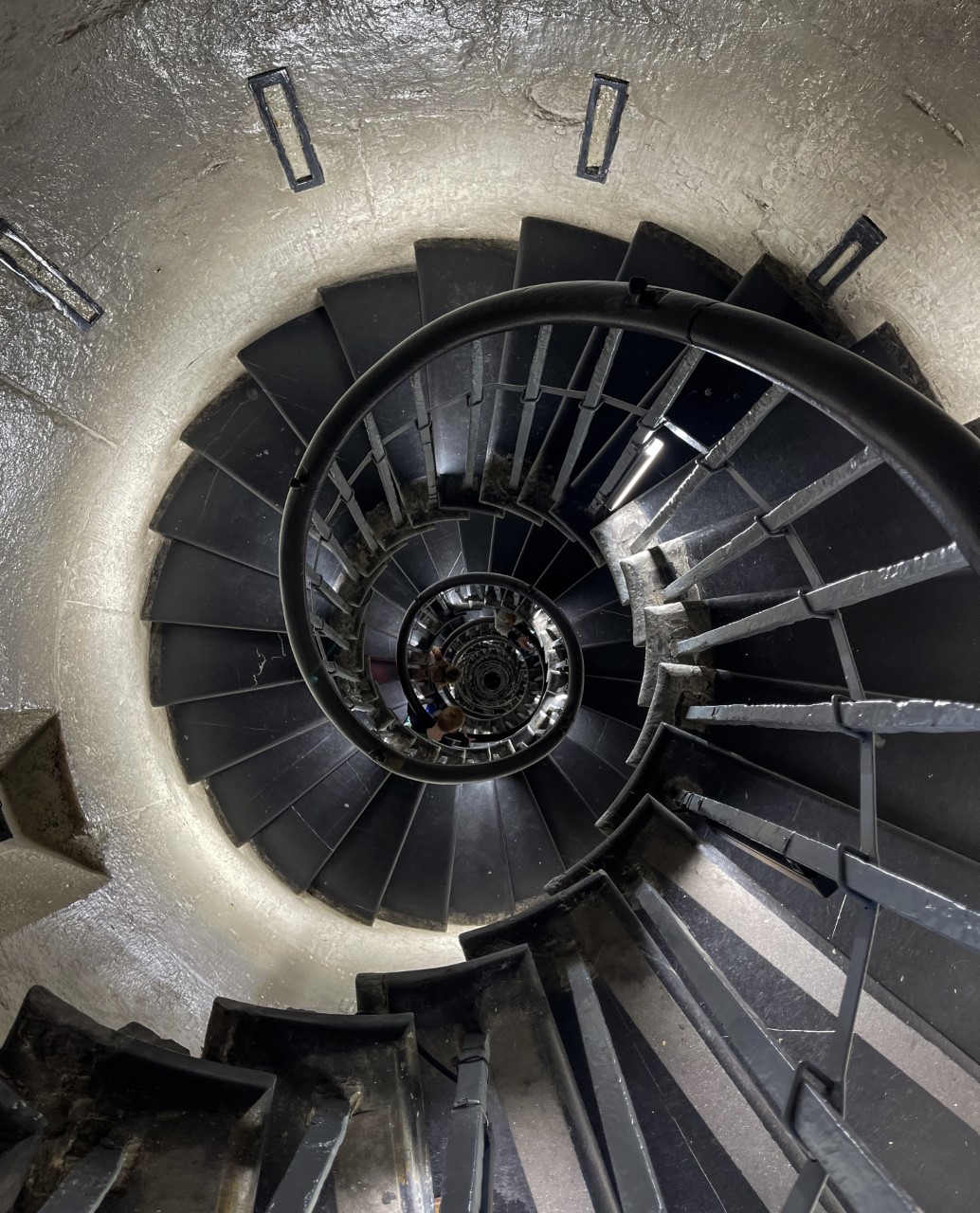
Apple I phone 26mm F1.6 ISO 125 1/100s
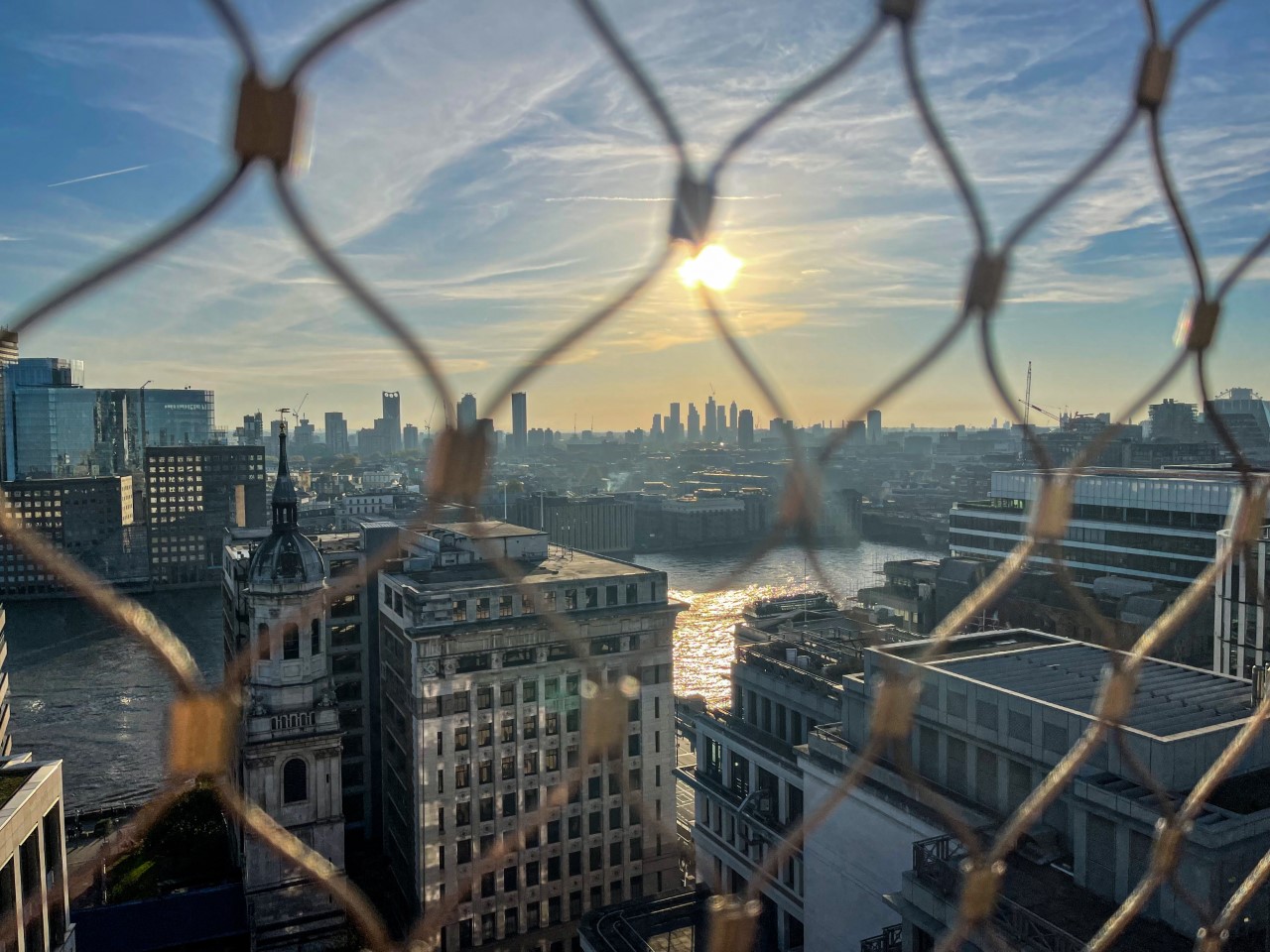
Apple I phone 26mm F1.6 1/9200s
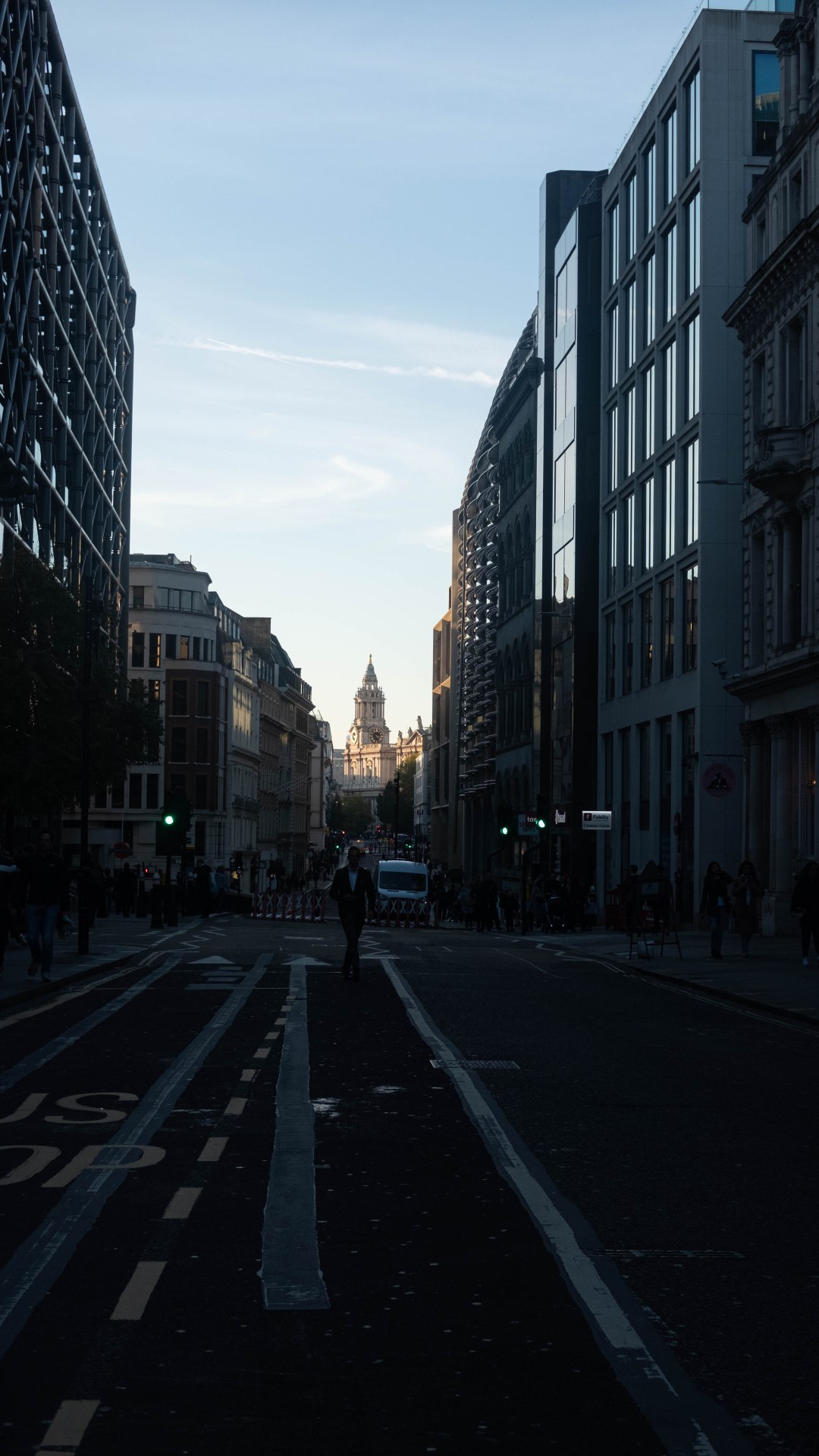
FUJIX100F 23m lens F4 ISO 400 1/680s
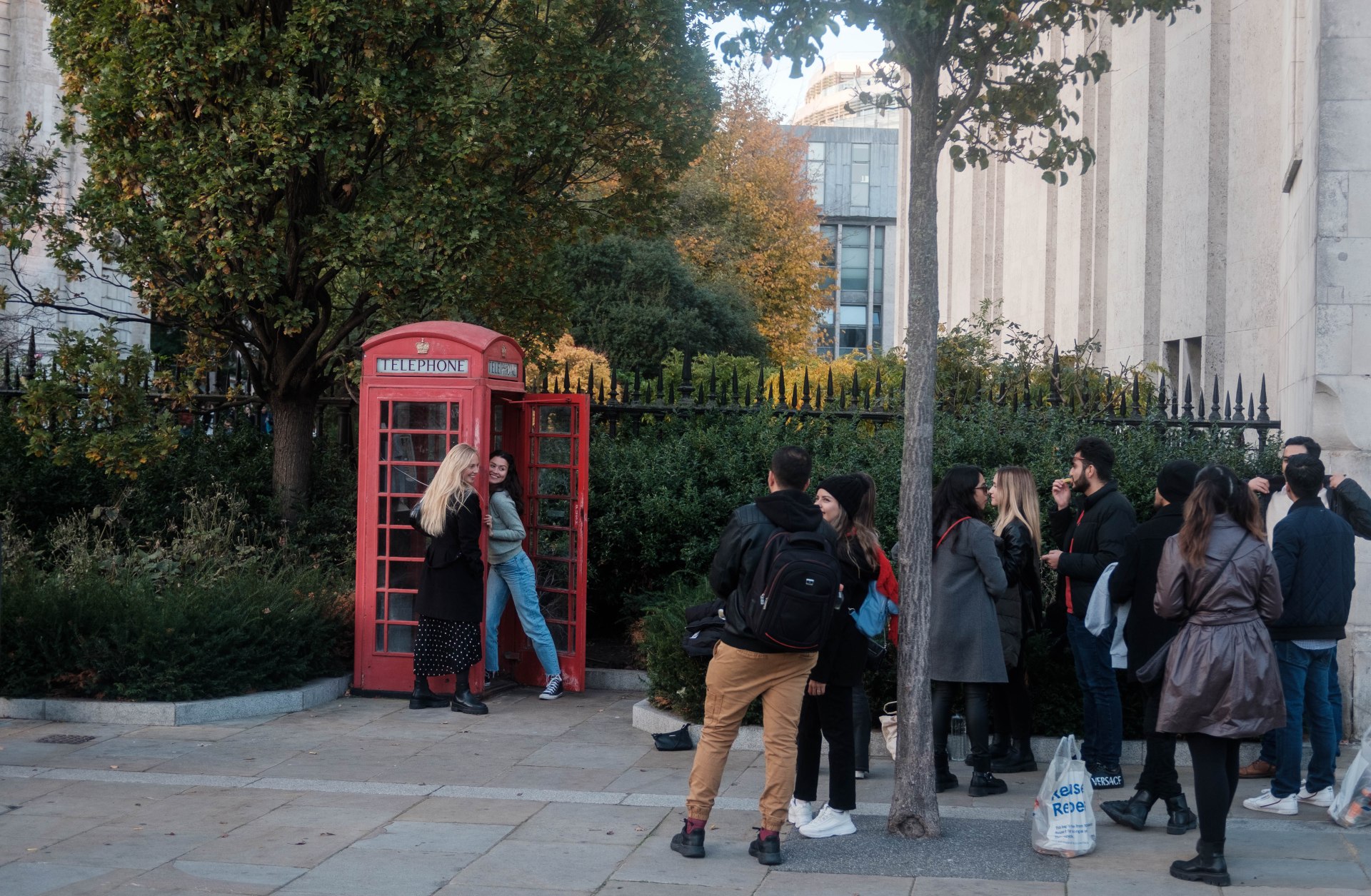
FUJIX100F 23m les F2.8 ISO 400 1/140s

FUJIX100F 23m lens F2.8 ISO 400 1/125s
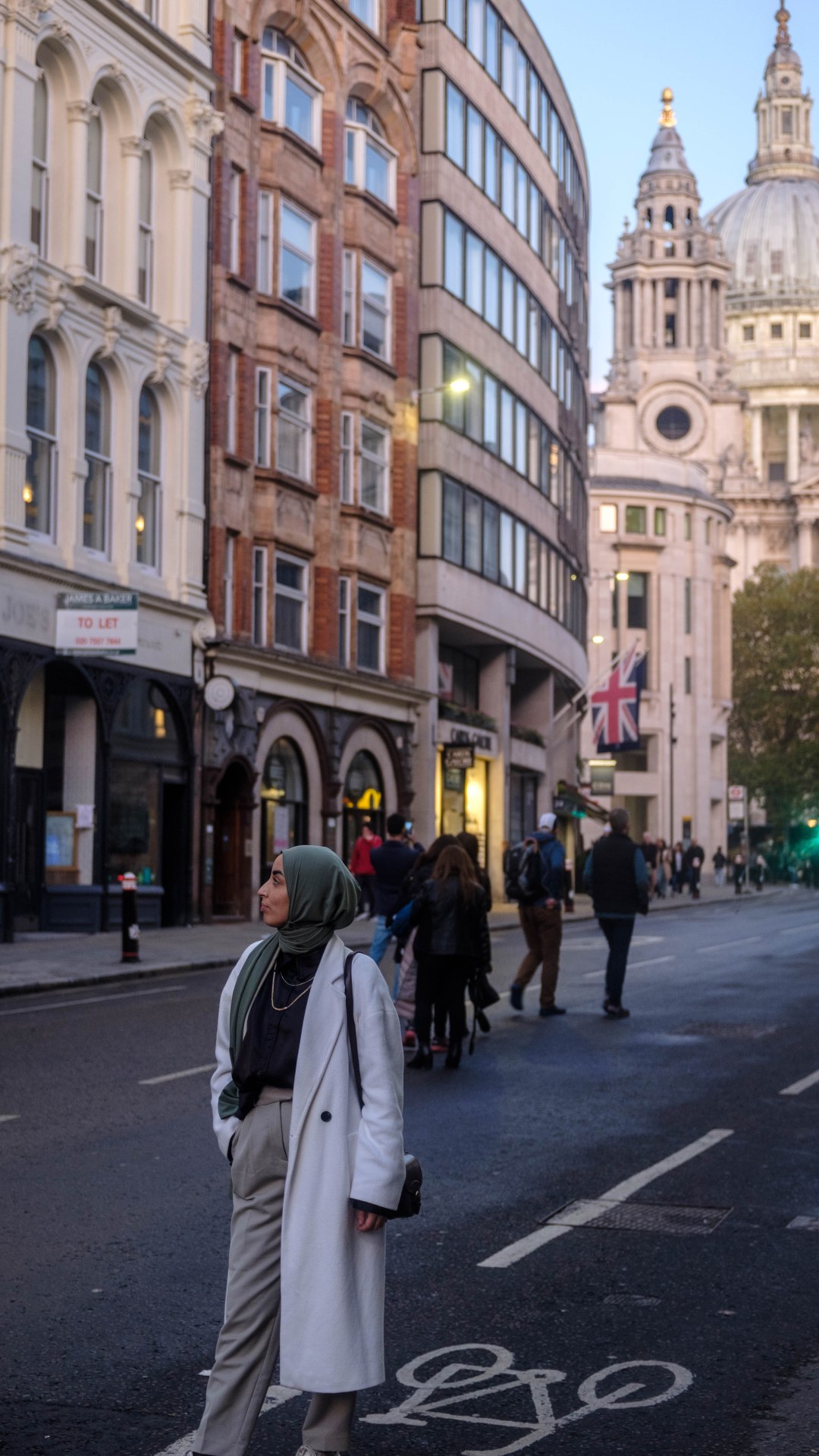
FUJIX100F 23m lens F2.8 ISO 500 1/60s

FUJIX100F 23m lens F2.8 ISO 2500 1/60s
Shoreditch Stop and Return
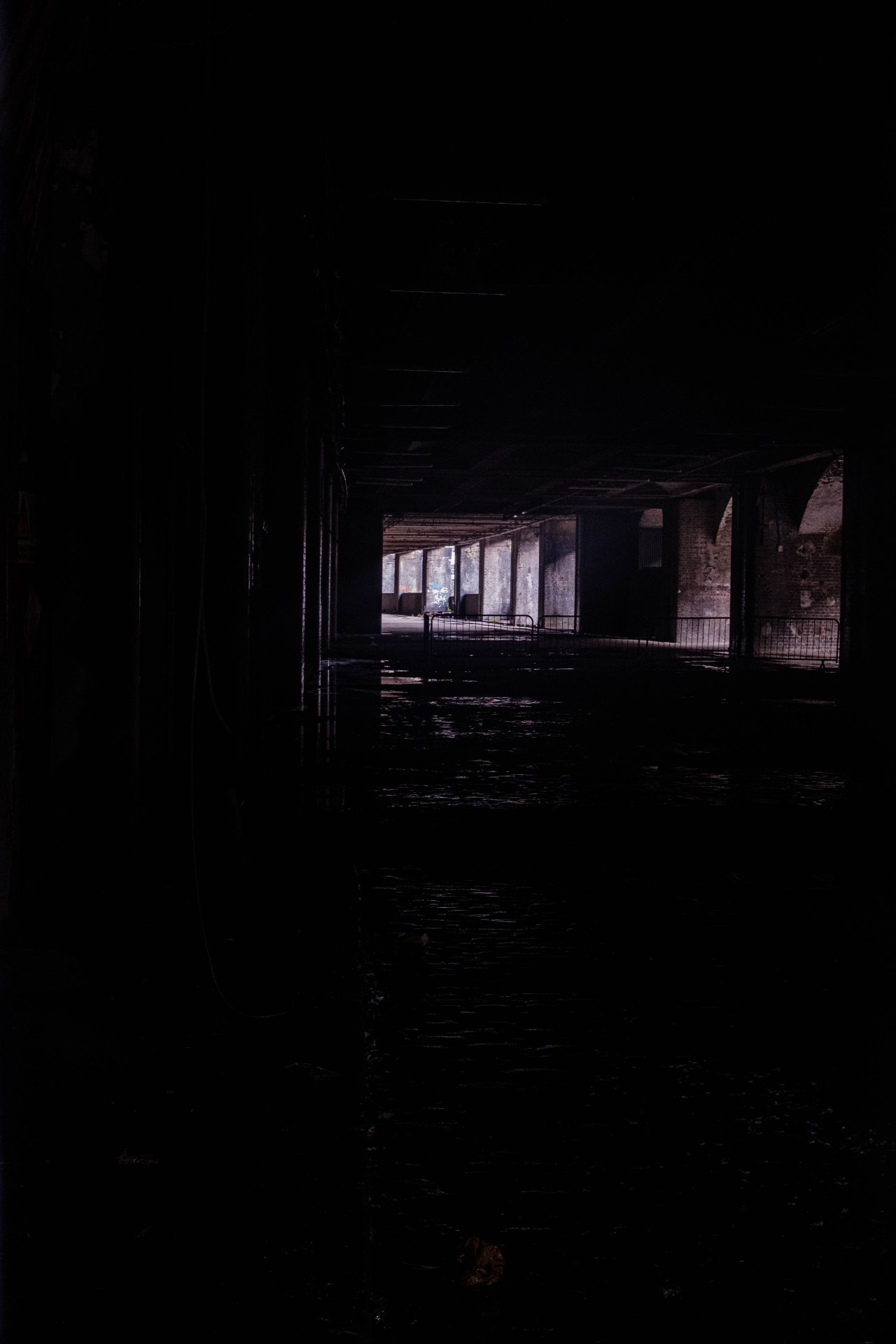
FUJIX100F Tele lens F8 ISO 3200 1/20
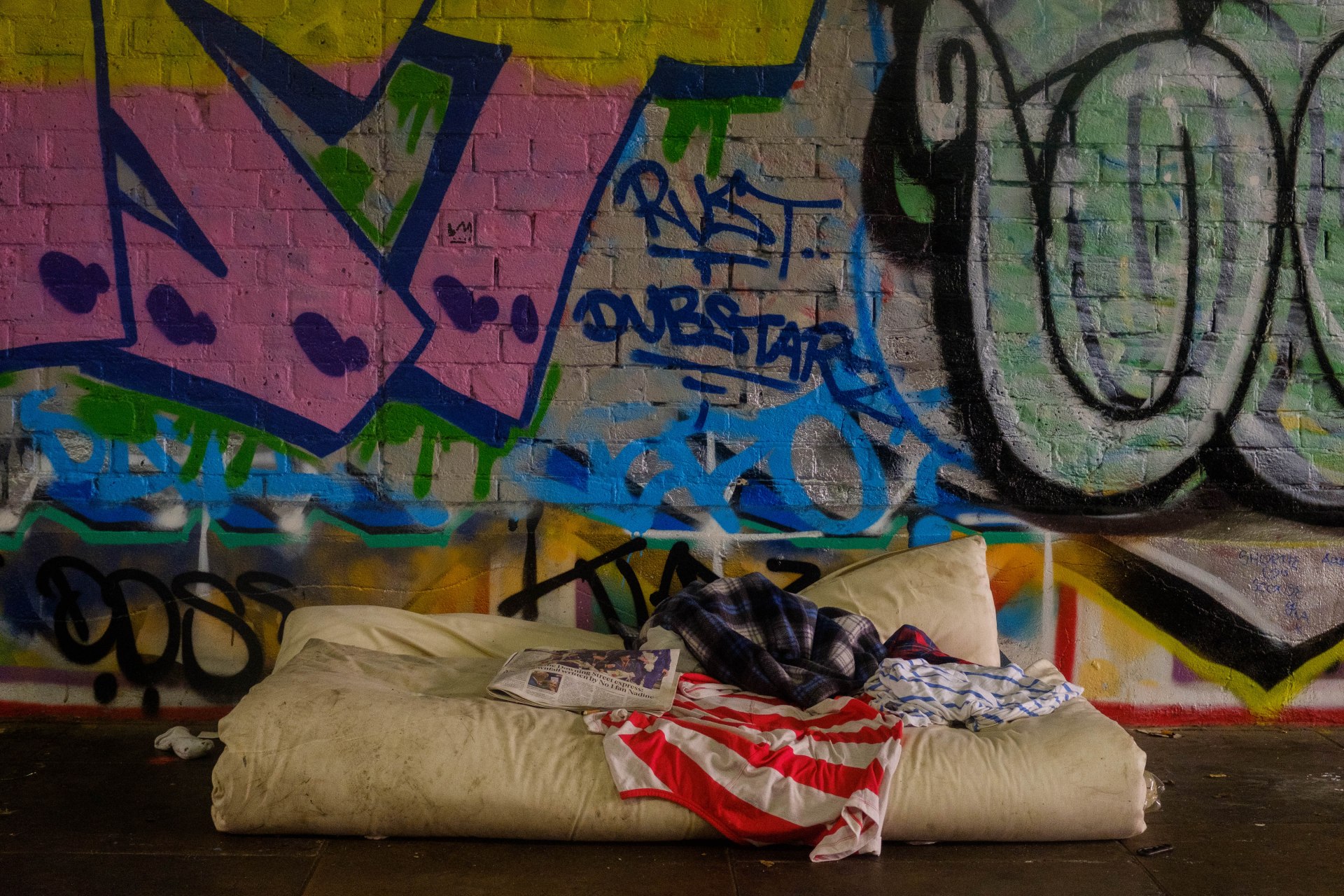
FUJIX100F Tele lens F5.6 ISO 2500 1/60s

FUJIX100F Tele lens F2.8 ISO 400 1/180s
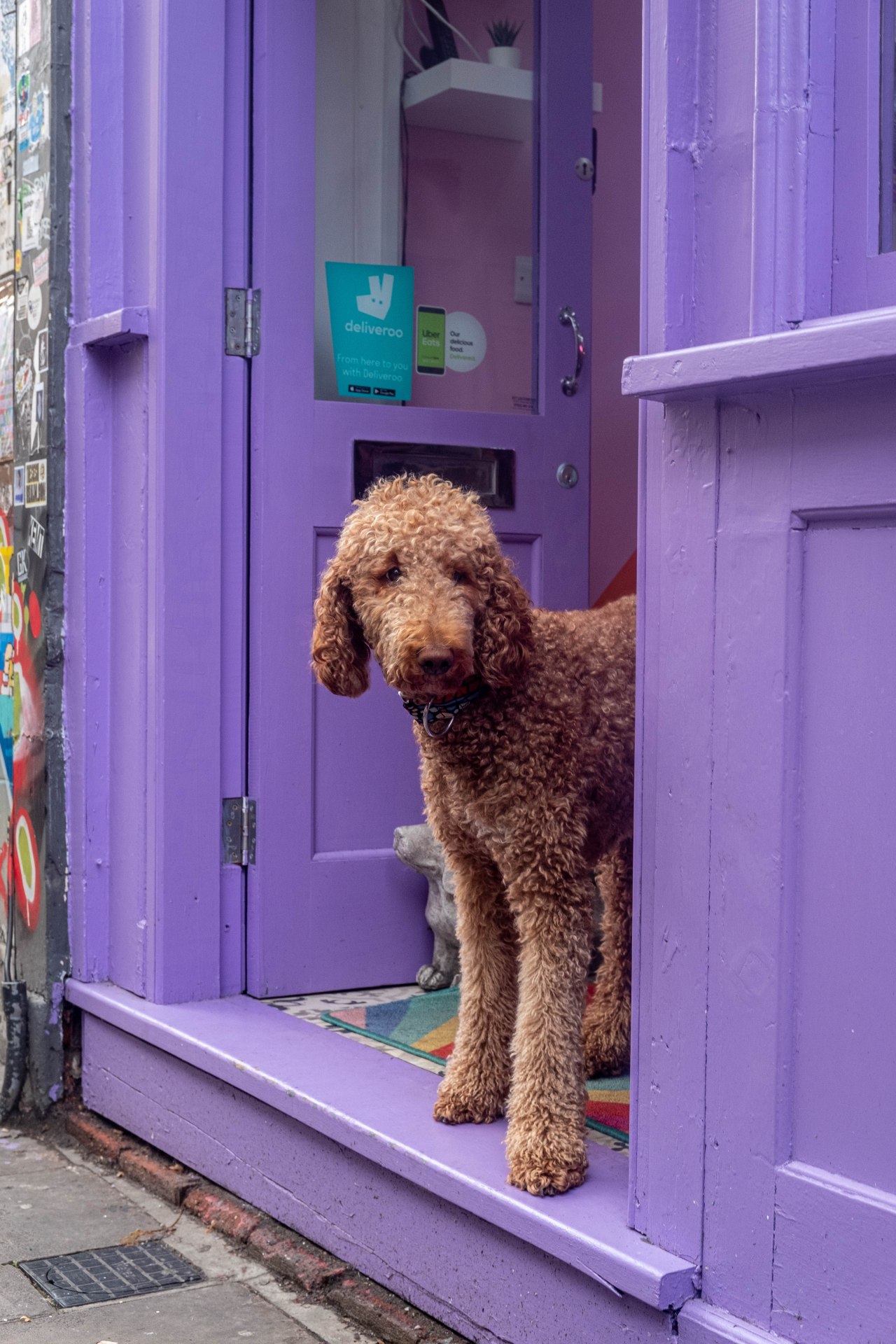
FUJIX100F Tele lens F5.6 ISO 400 1/60s
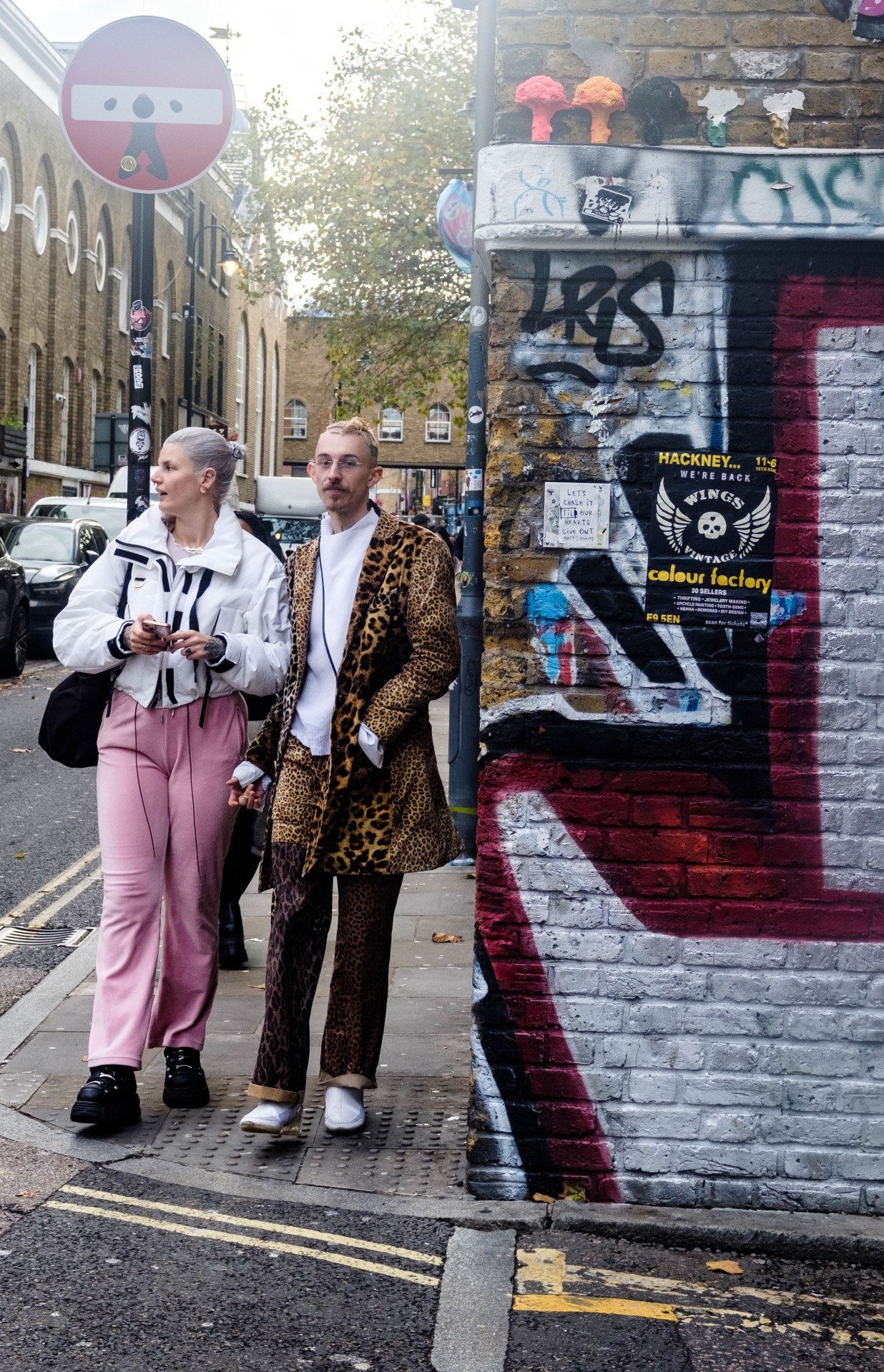
FUJIX100F Tele lens F5.6 ISO 400 1/140s
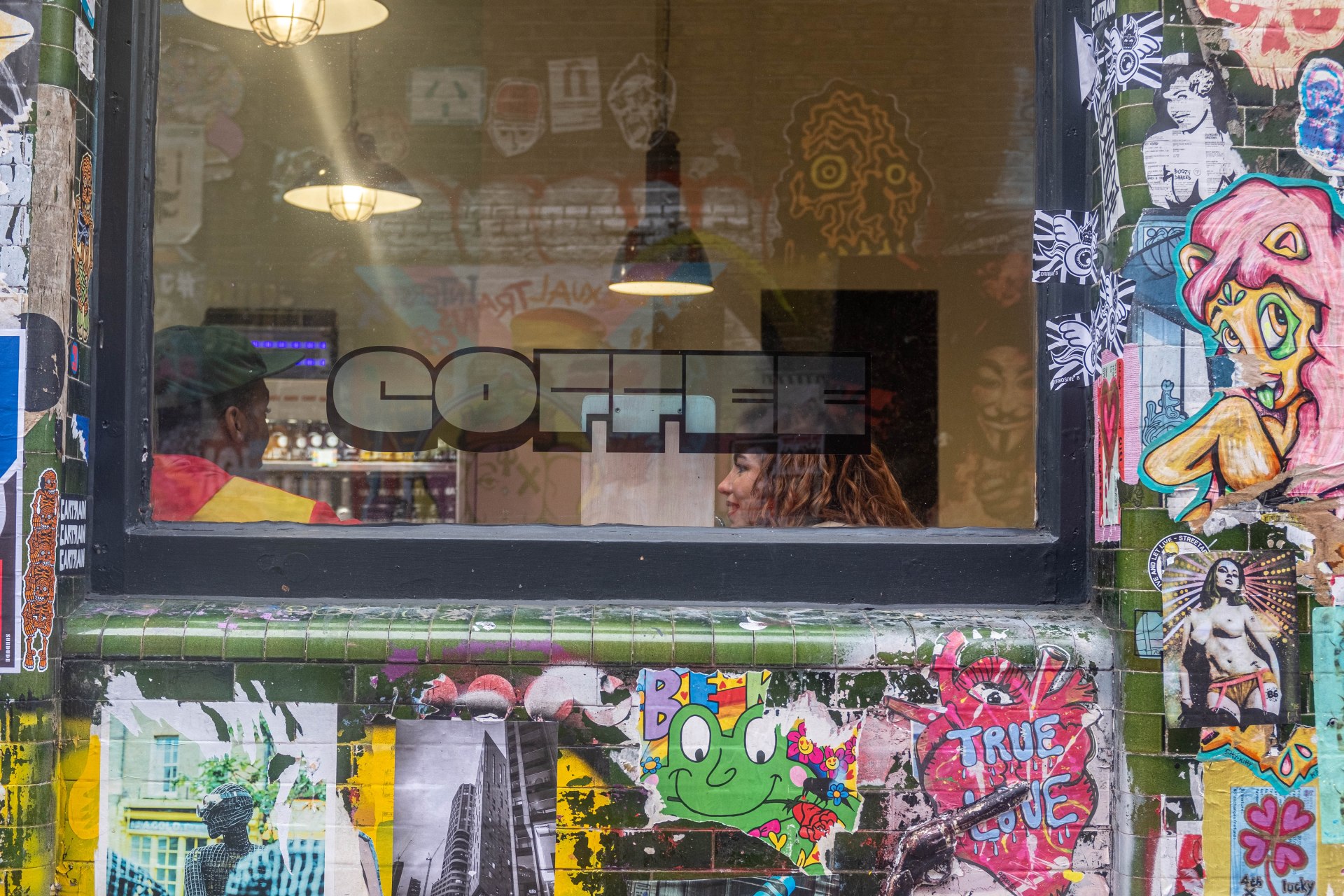
FUJIX100F Tele lens F4 ISO 250 1/60s
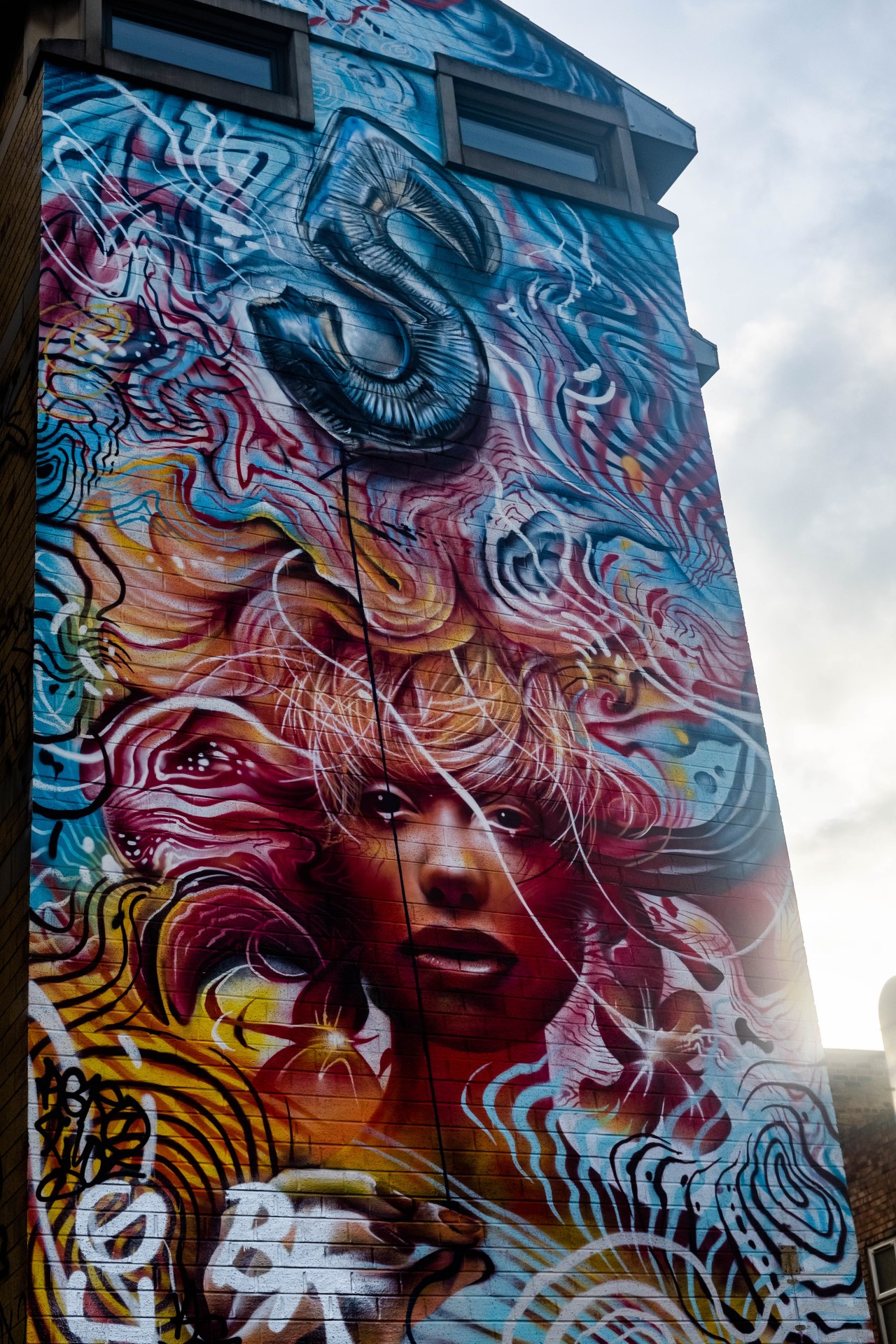
FUJIX100F Tele lens F5.6 ISO 400
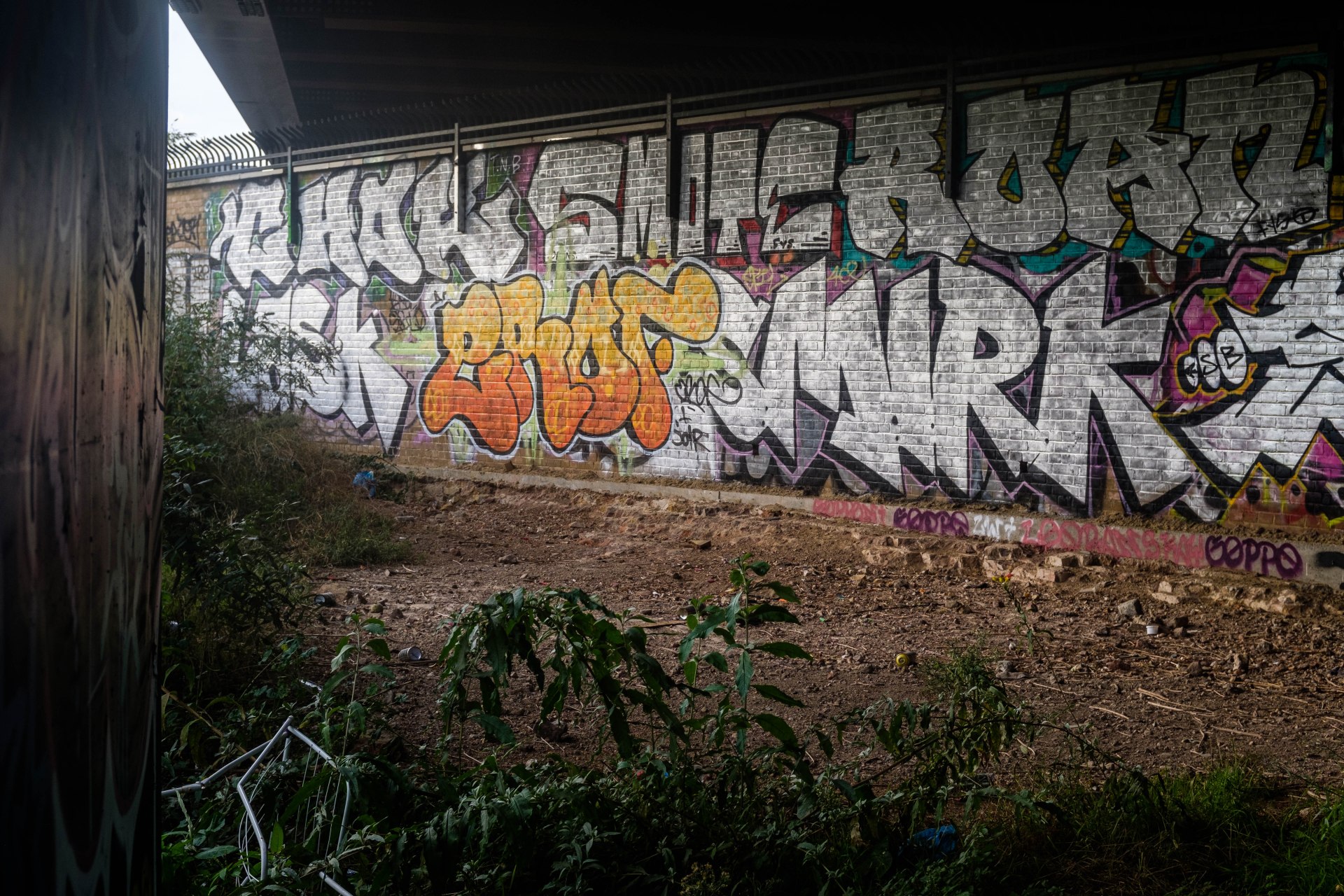
FUJIX100F Tele lens F5.6 ISO 400 1/105s
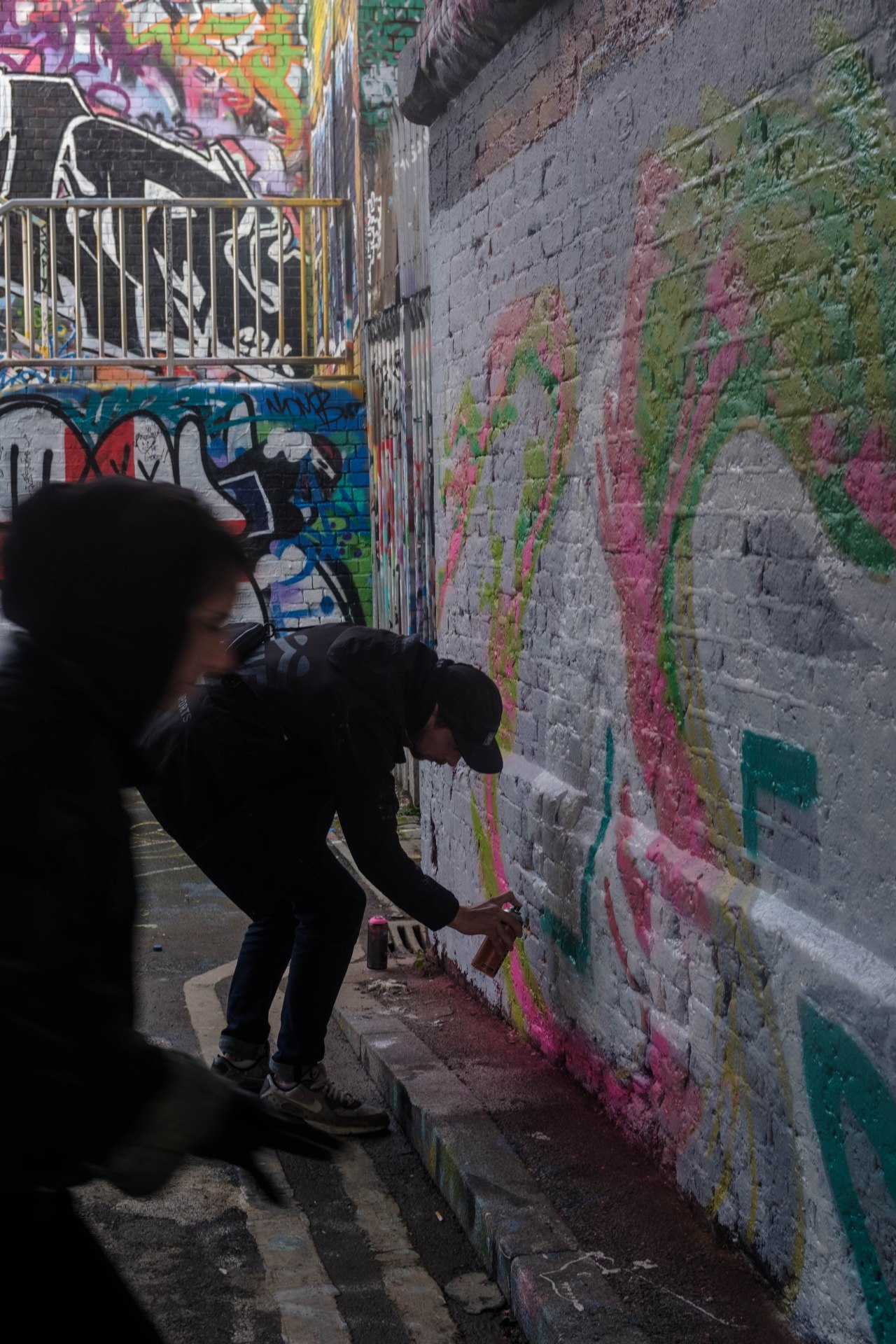
FUJIX100F Tele lens F5.6 ISO 400 1/75s
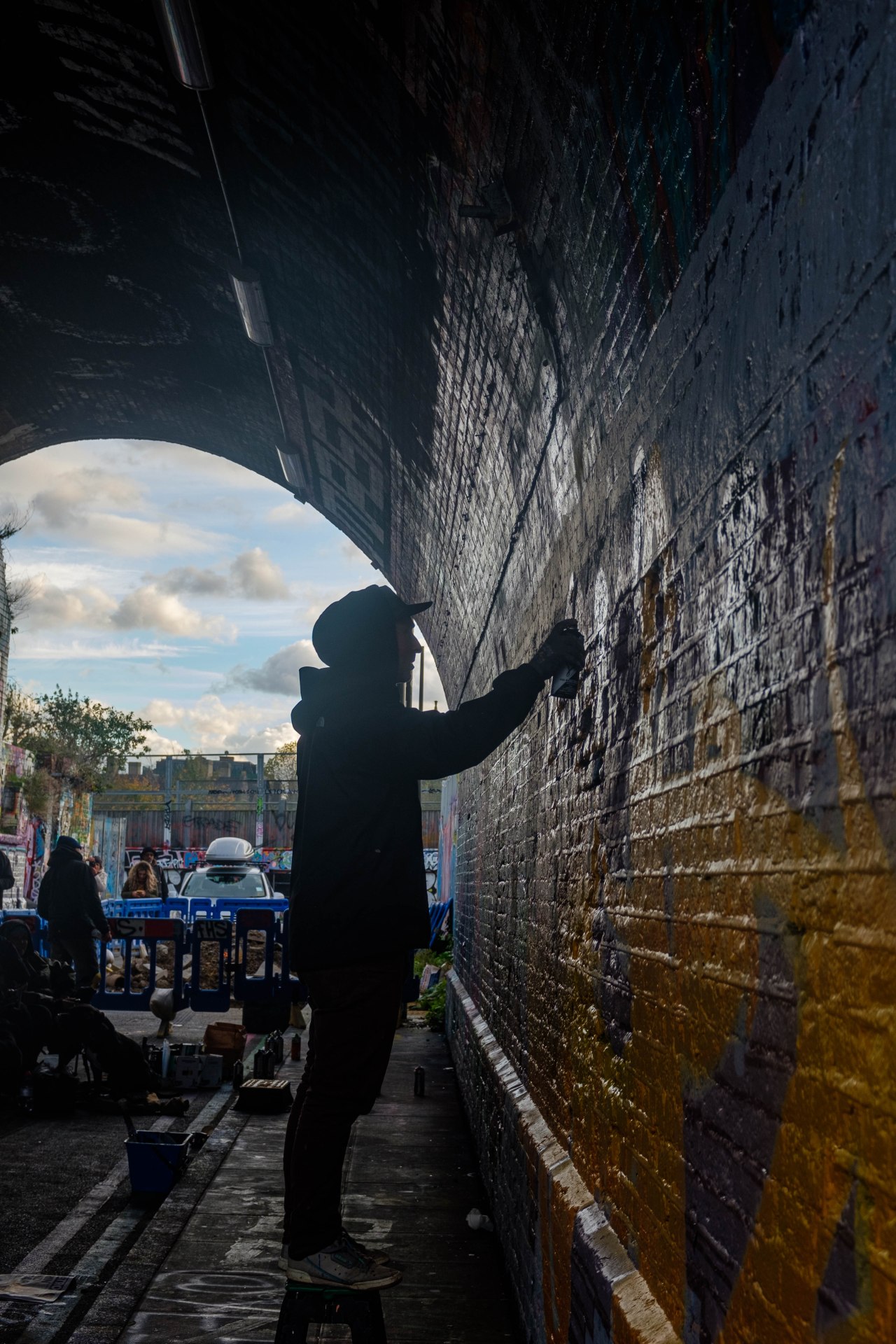
FUJIX100F Tele lens F5.6 ISO 4001/125

FUJIX100F Tele lens F5.6I ISO 200 1/90

FUJIX100F Tele lens F5.6 ISO 640 1/60
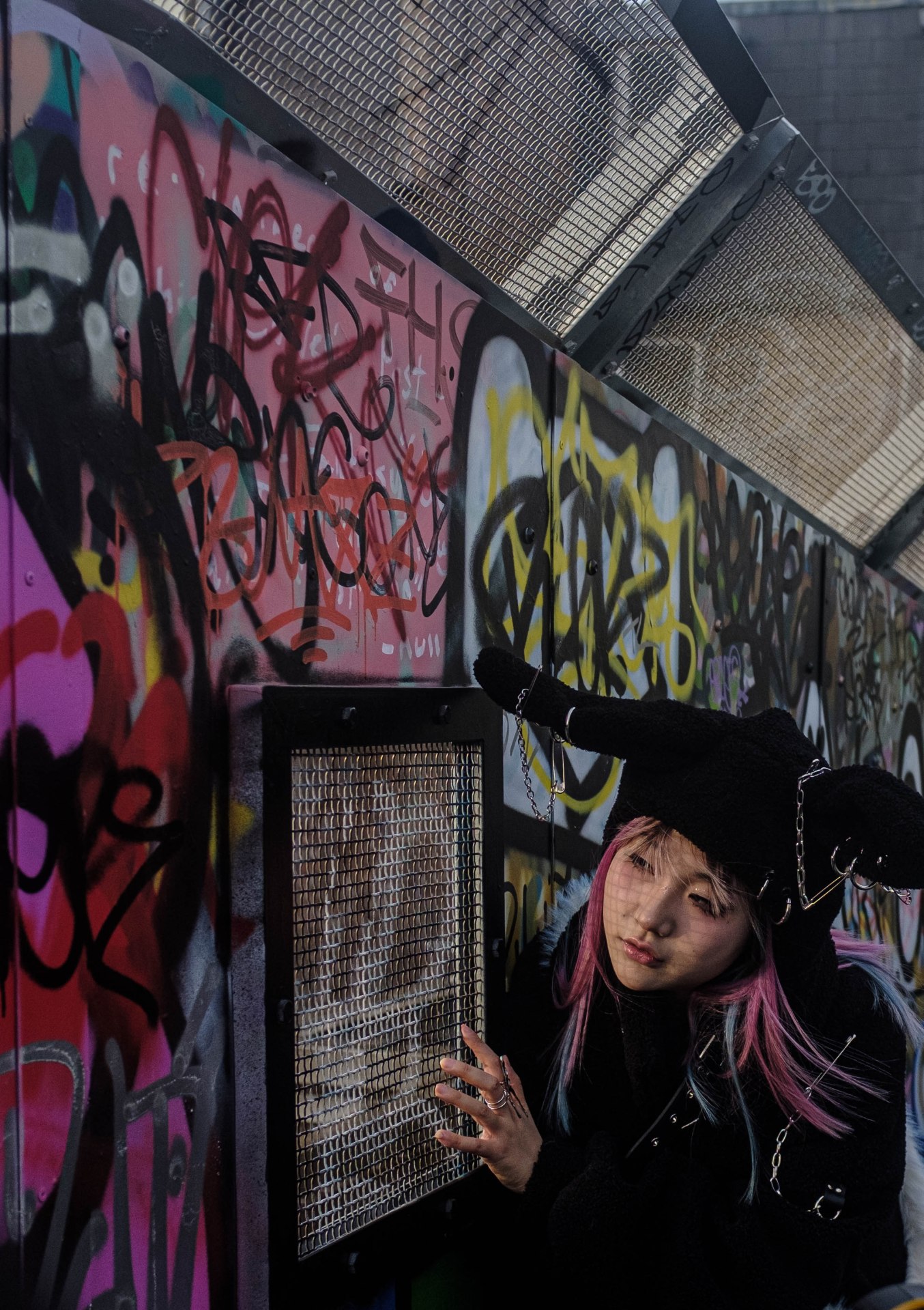
FUJIX100F Tele lens F2.8 ISO 400 1/850
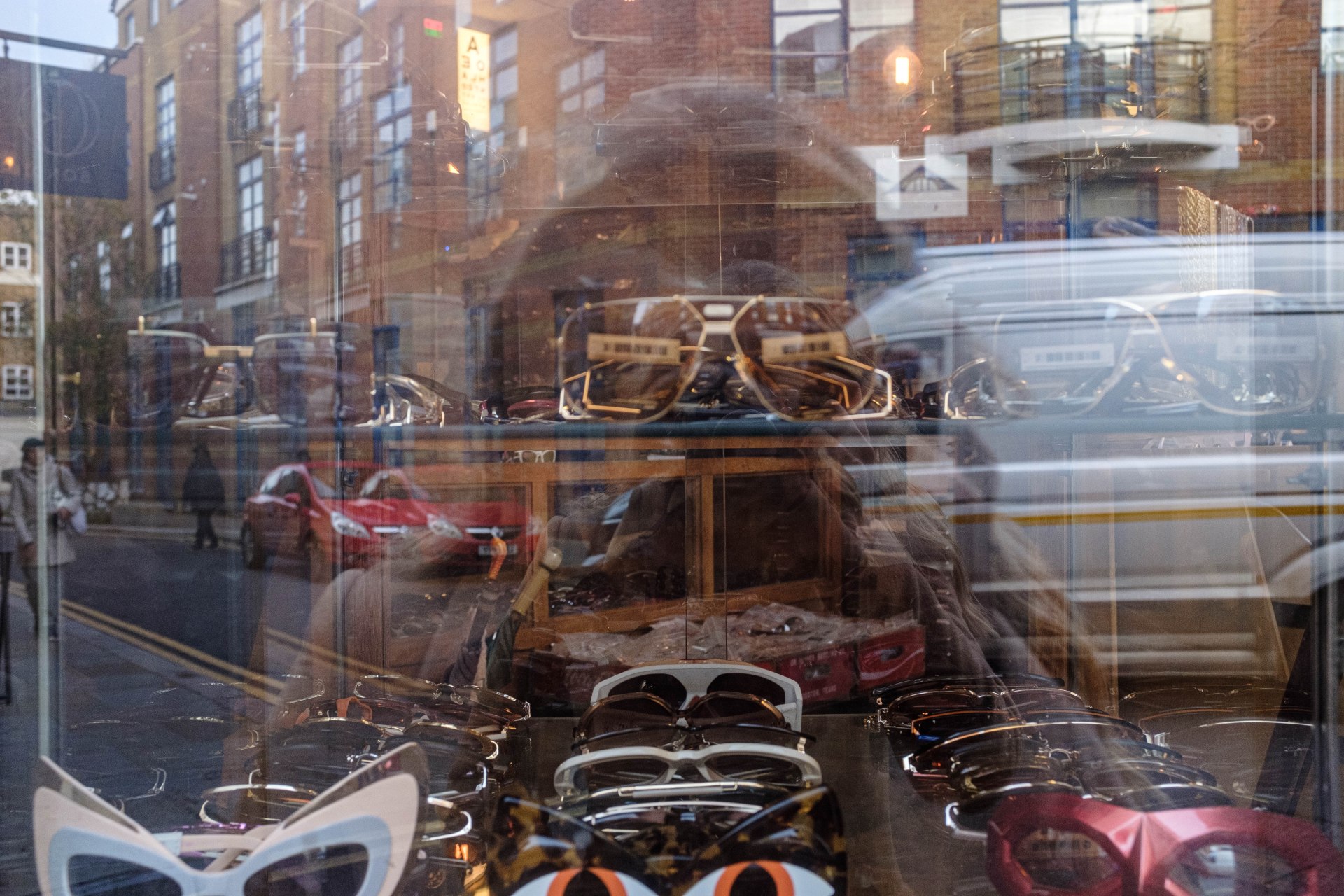
FUJIX100F Tele lens F5.6 ISO 2000 1/60

FUJIX100F Tele lens F5.6 ISO 3200 1/45
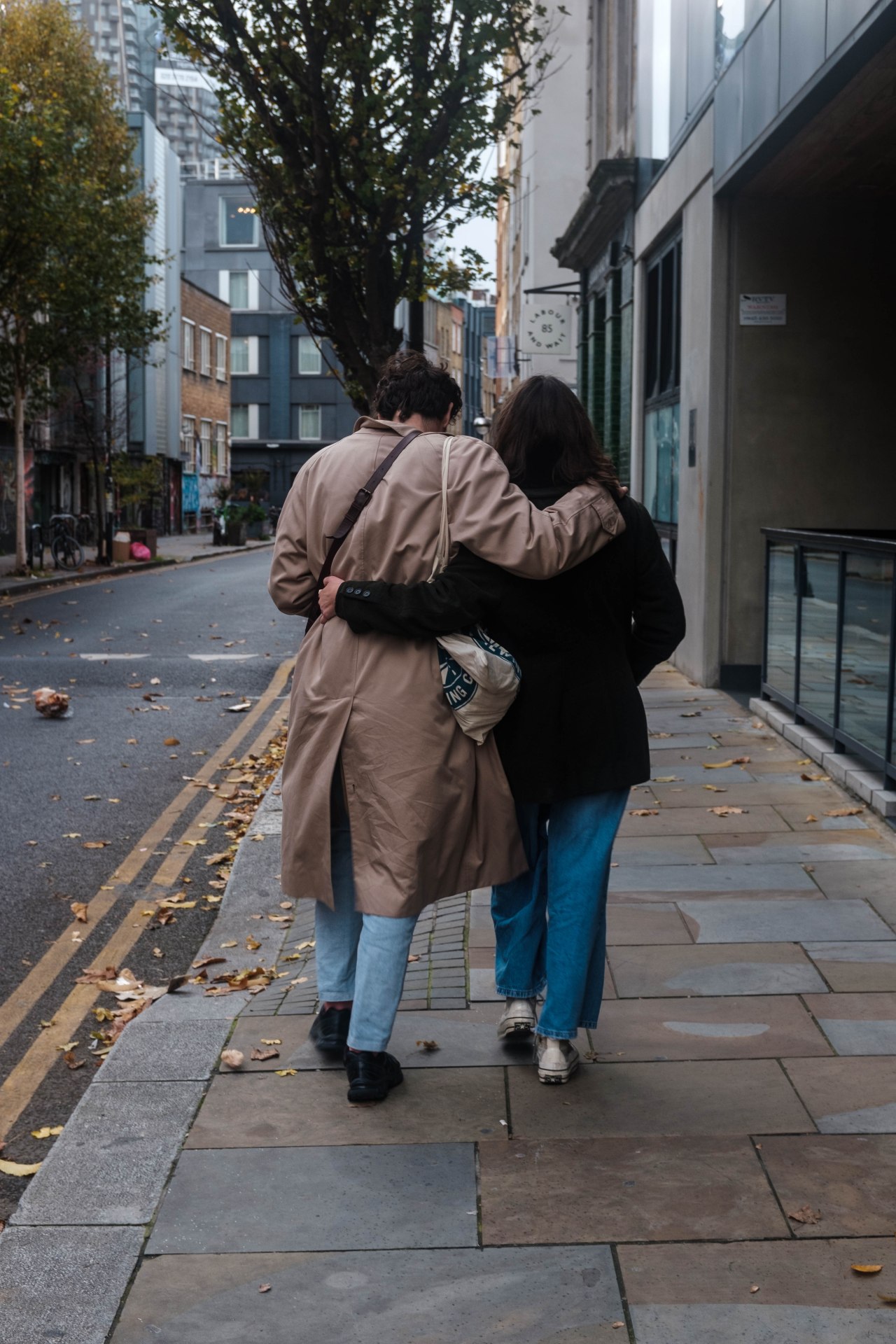
FUJIX100F Tele lens F5.6 ISO 400 1/85
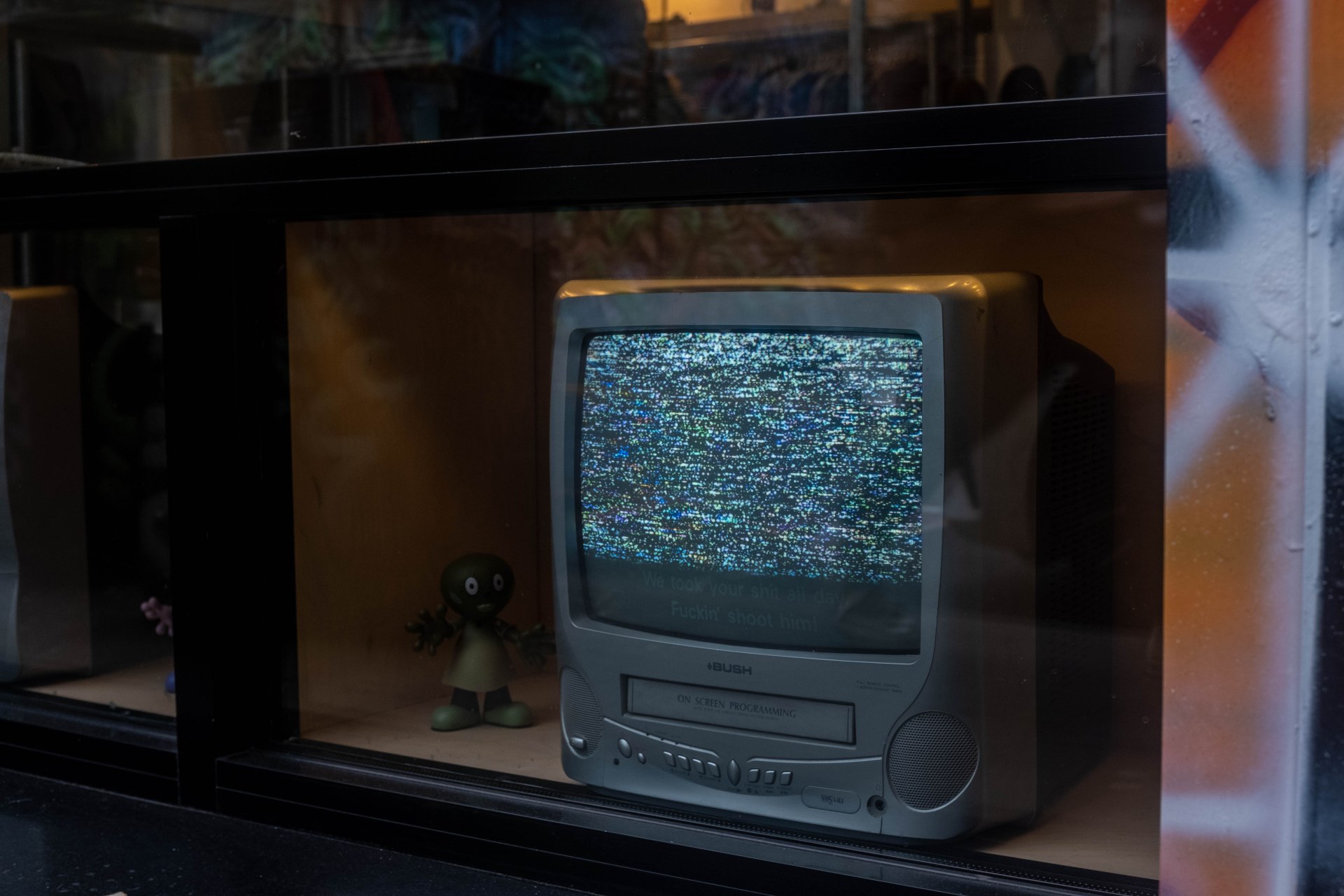
FUJIX100F Tele lens F5.6 ISO 1250 1/60
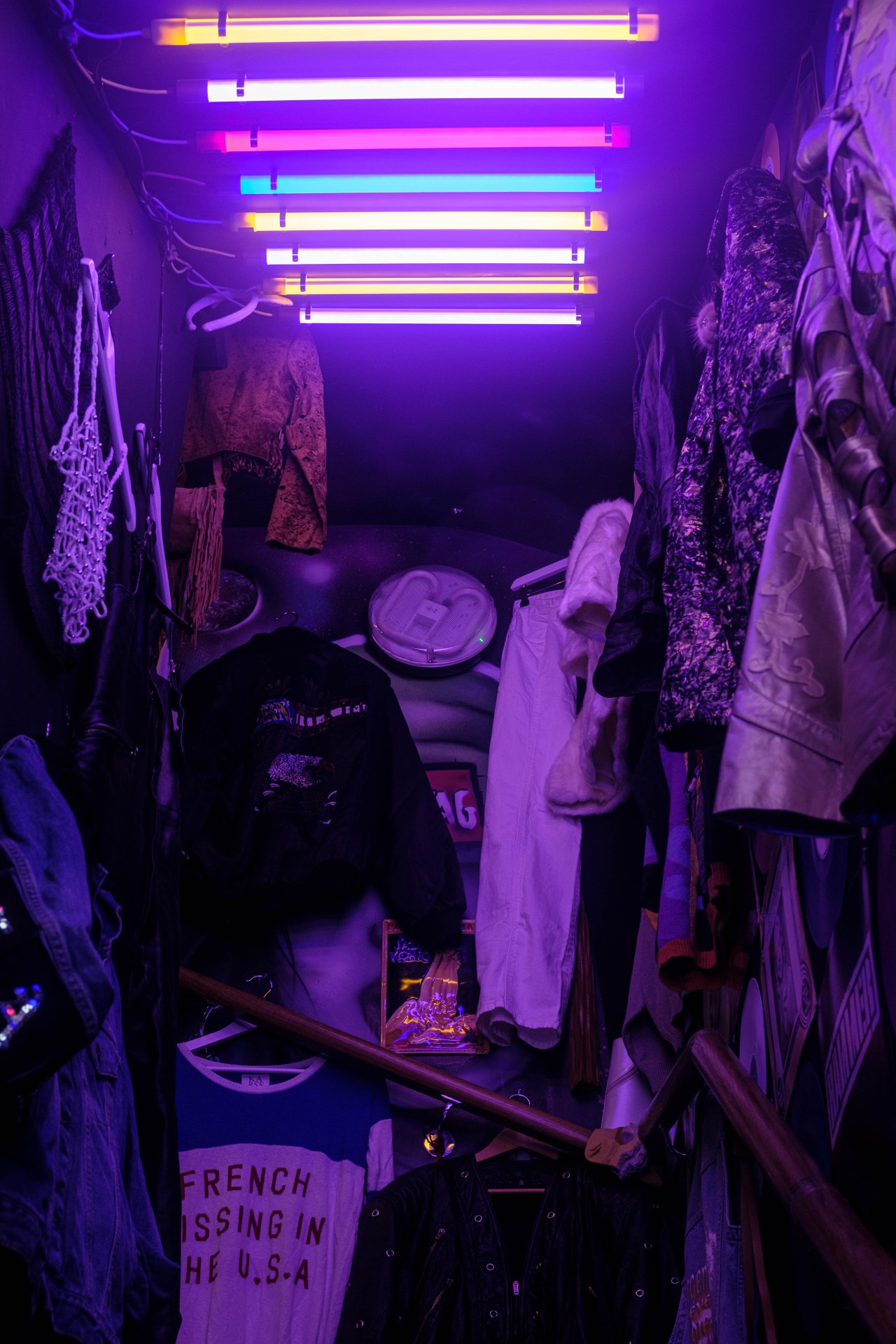
FUJIX100F Tele lens F5.6 ISO 1000 1/60

FUJIX100F Tele lens F5.6 ISO 3200 1/20
FUJIX100F Tele lens F8 ISO 2000 1/60
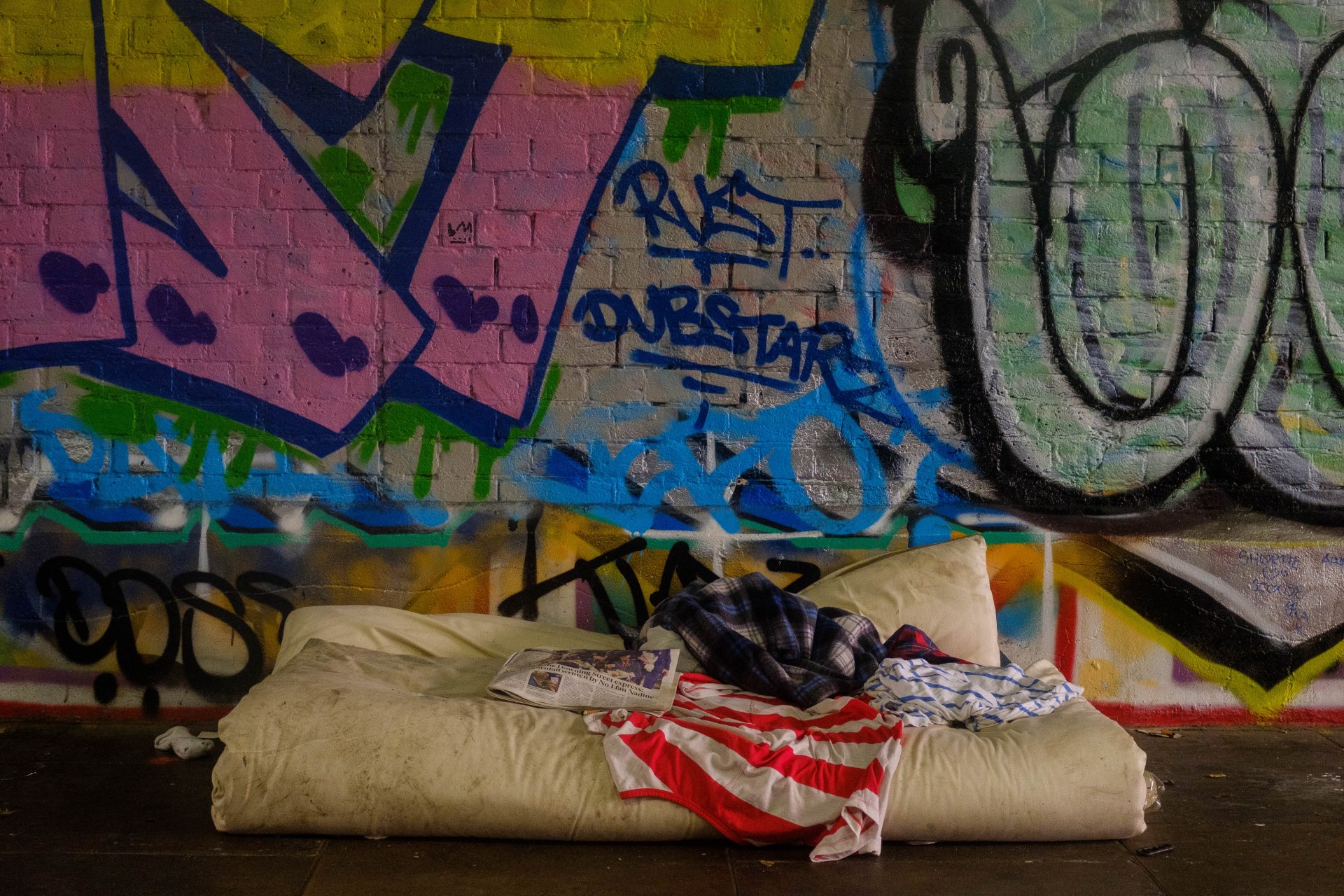
I then grouped some of the photographs I had taken in to different themes.
Vivian Maier – The Self Portrait


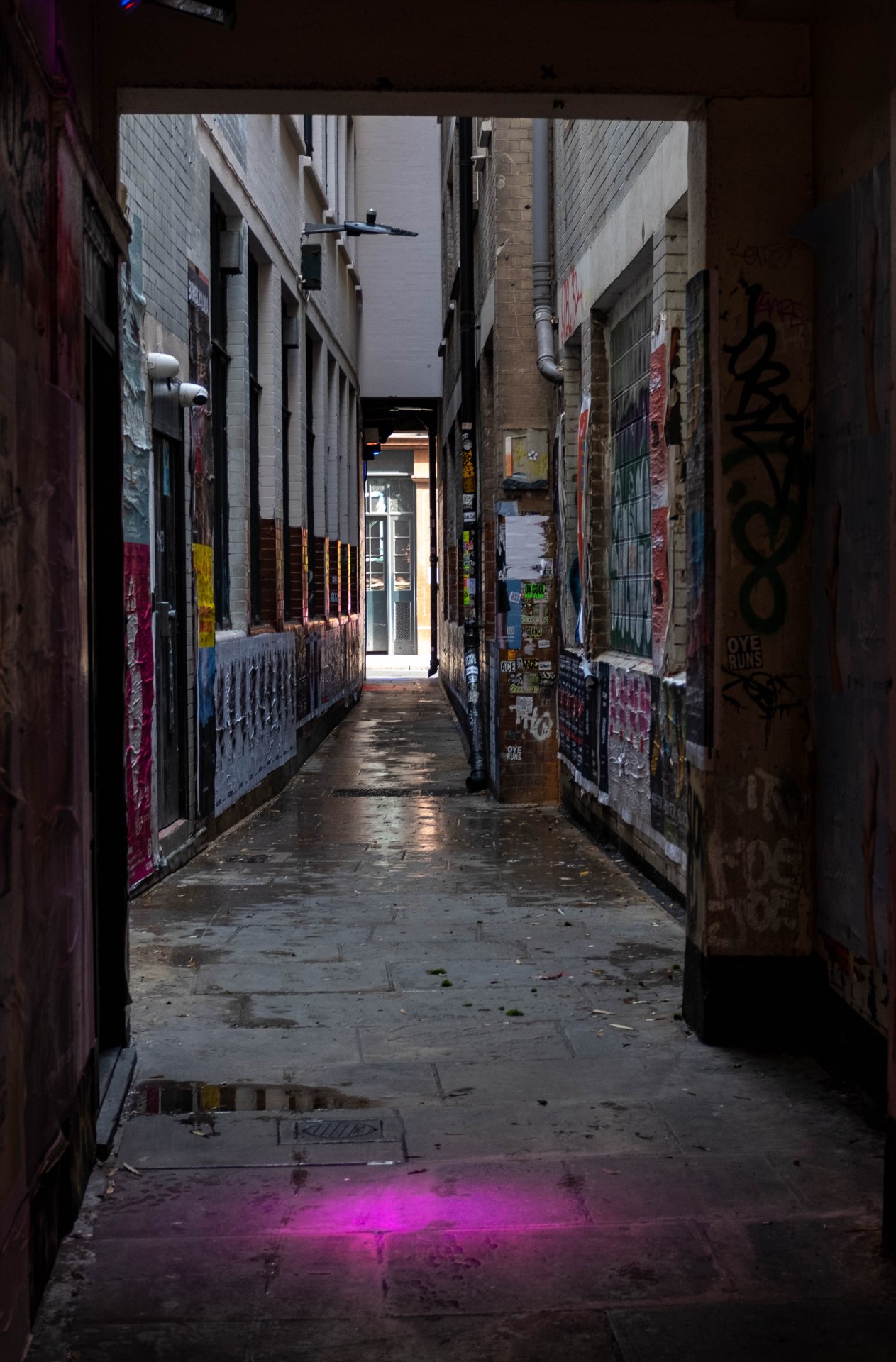
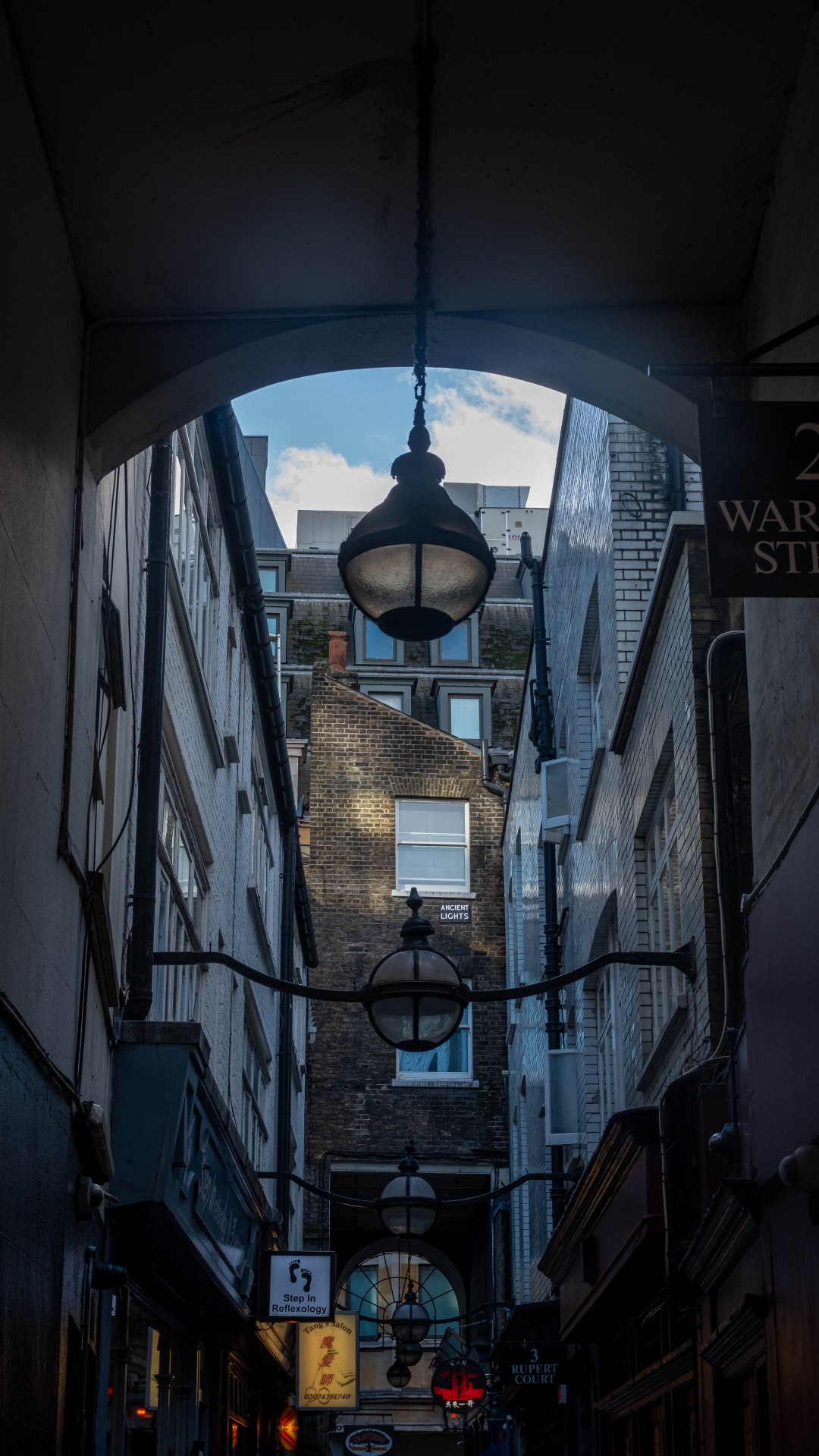
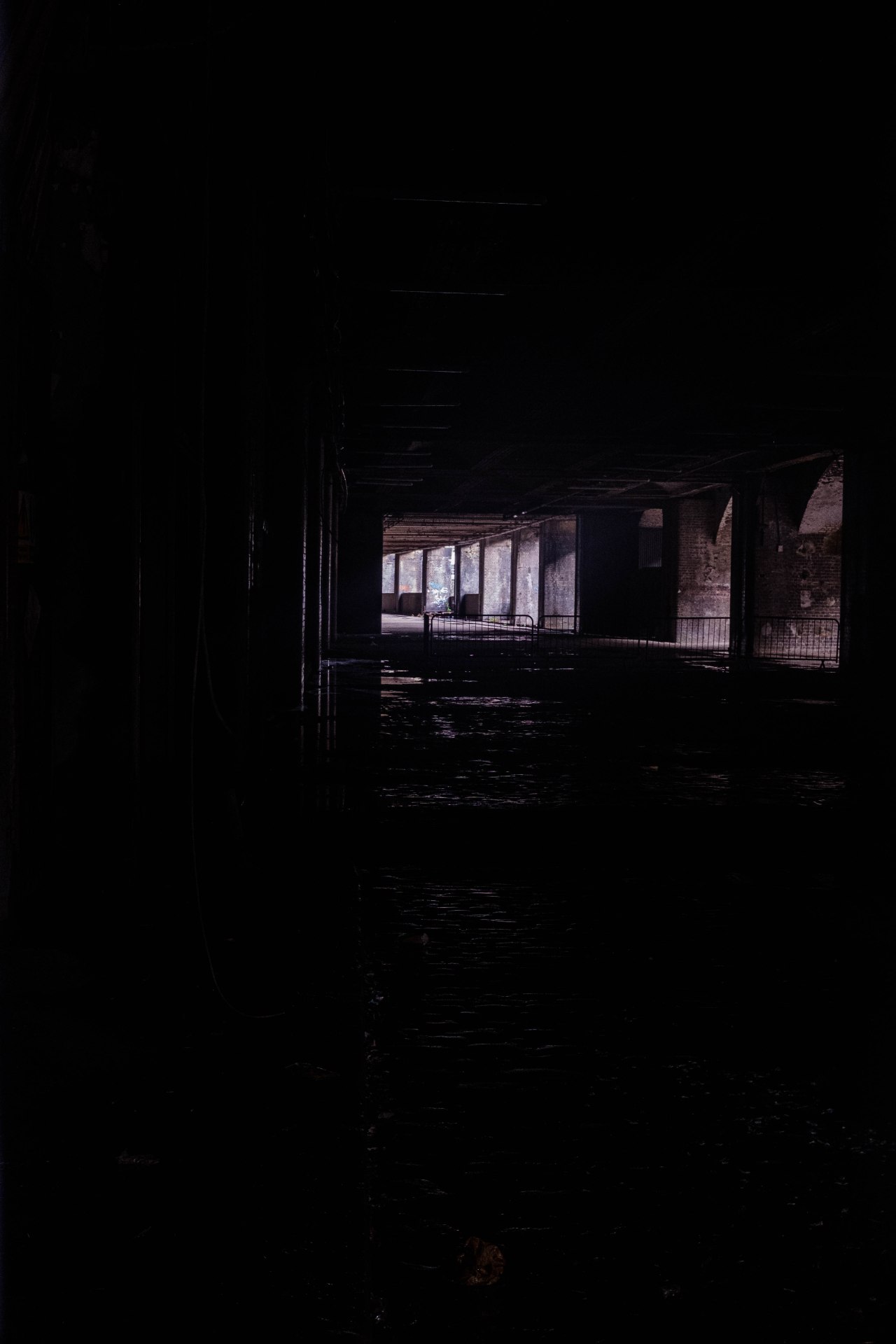
The beauty of a hidden street

Gesture



Colour in street photography
The Final selection
I have chosen The beauty of a hidden street and gesture.
The beauty of a hidden street:

Gesture:

3.2 Analyse and evaluate photographic activity
I genuinely surprised myself how much I enjoyed this street photography project. I was very nervous to begin with, with photographing people as well as finding a moment or narrative that was interesting to photograph. Living in London I now realise how spoilt I am being so close to the beauty and mystery there is that surrounds us in its architecture and every day life.
I explored many different areas of London, including Notting Hill, The West End, Soho and Shoreditch. Using my FujiX100F camera, it was a great piece of equipment to use as its such a lightweight mirrorless camera to carry around with me.
After researching street photographers, Vivian Maier, Rui Palha and Jay Maisel I wanted to explore finding a gesture or moment in every day life, as well as an atmosphere or beauty on the street and I also explored self portrait like Vivien Maier.
My first three pictures I have chosen as my final submission is ‘The beauty of a hidden street.’ They are displayed as 3 profile pictures.
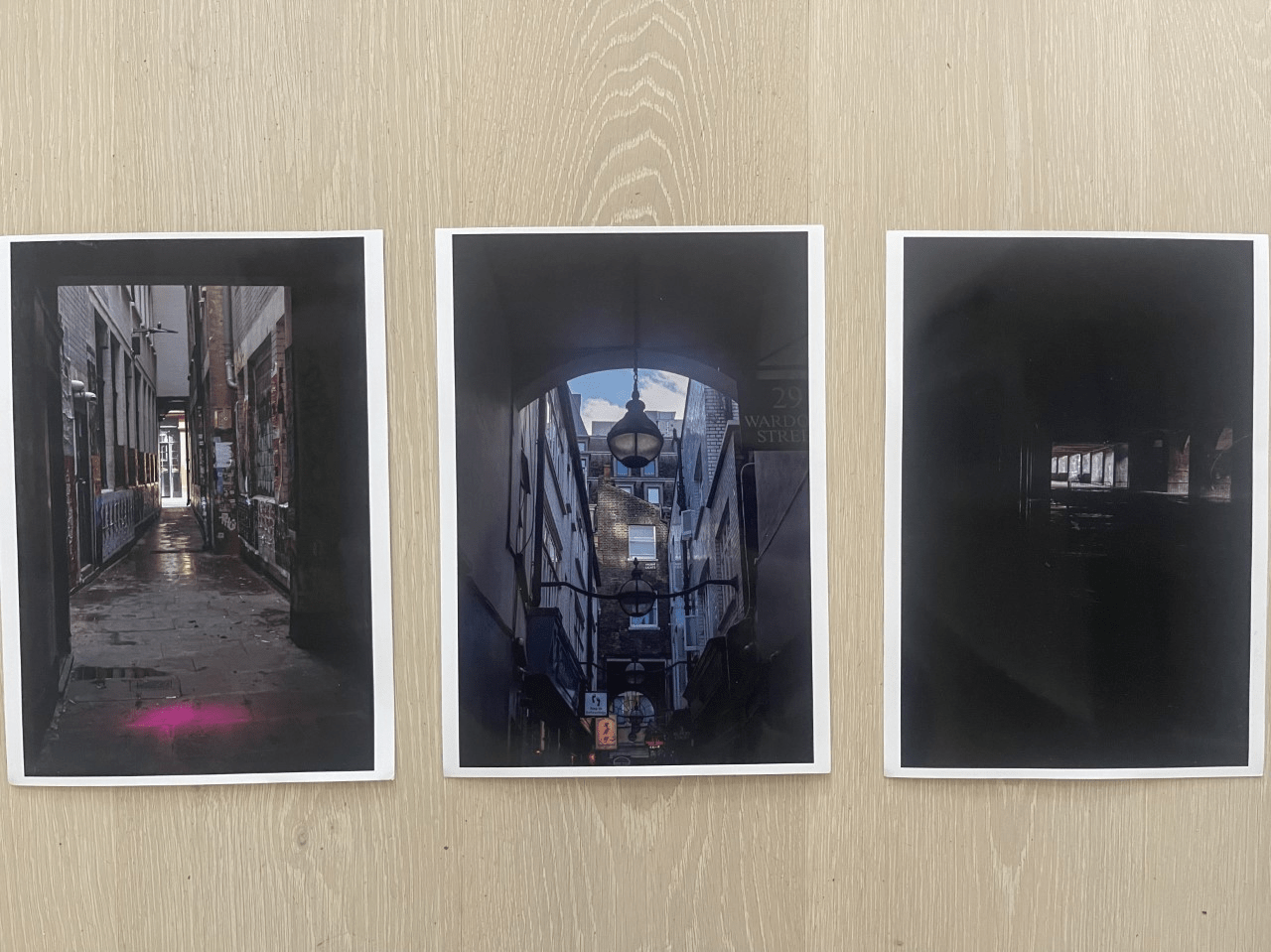
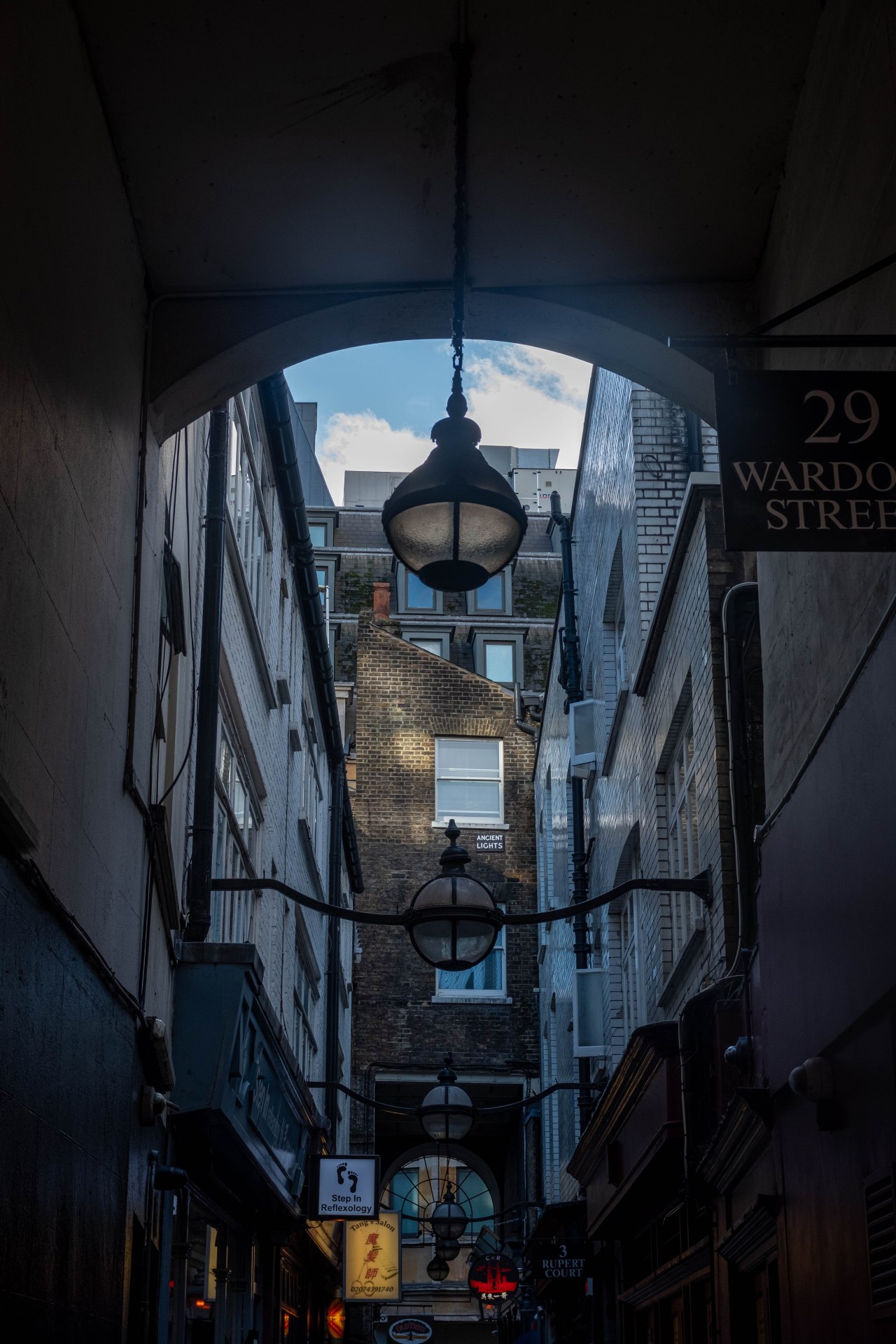
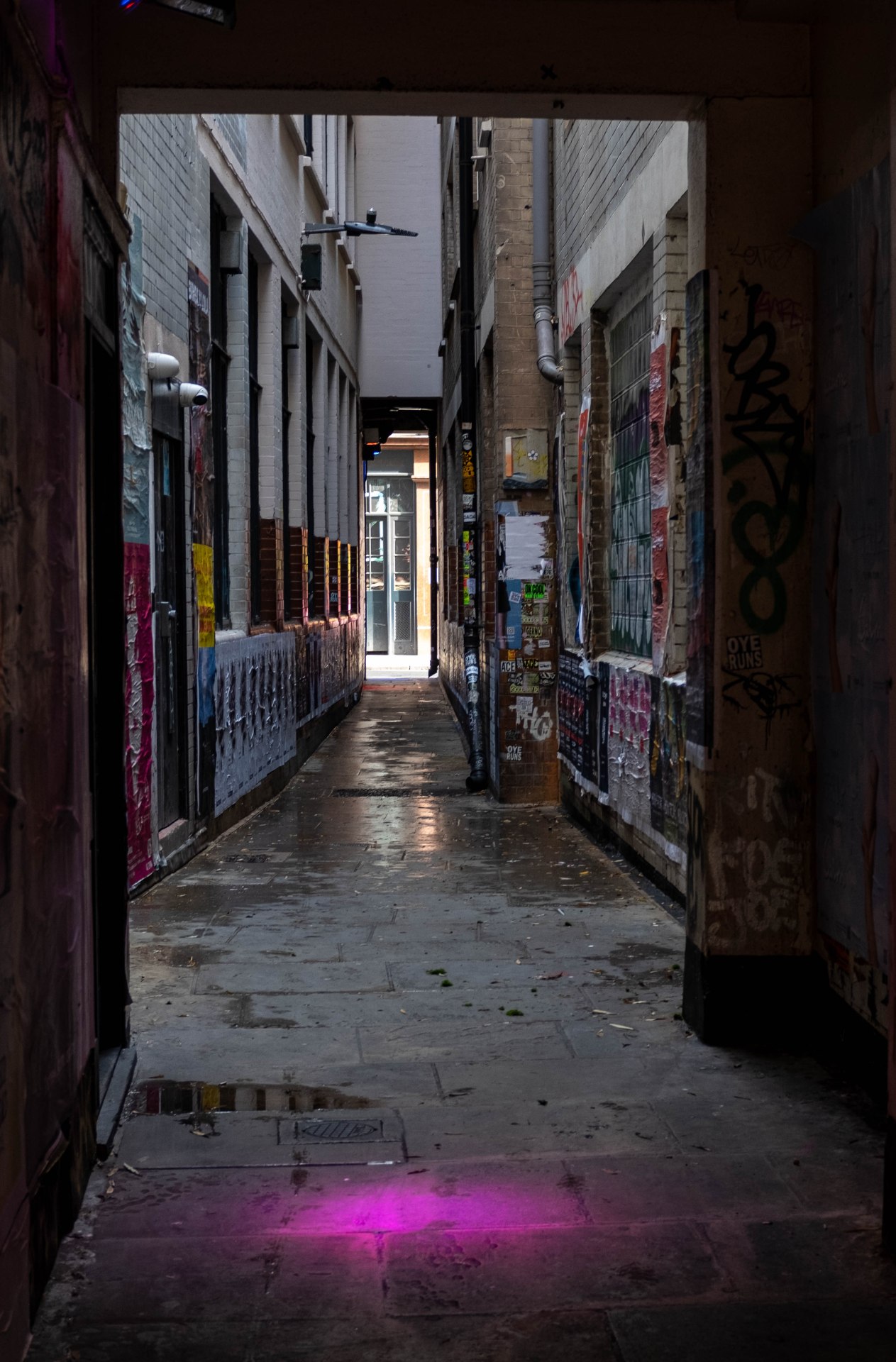
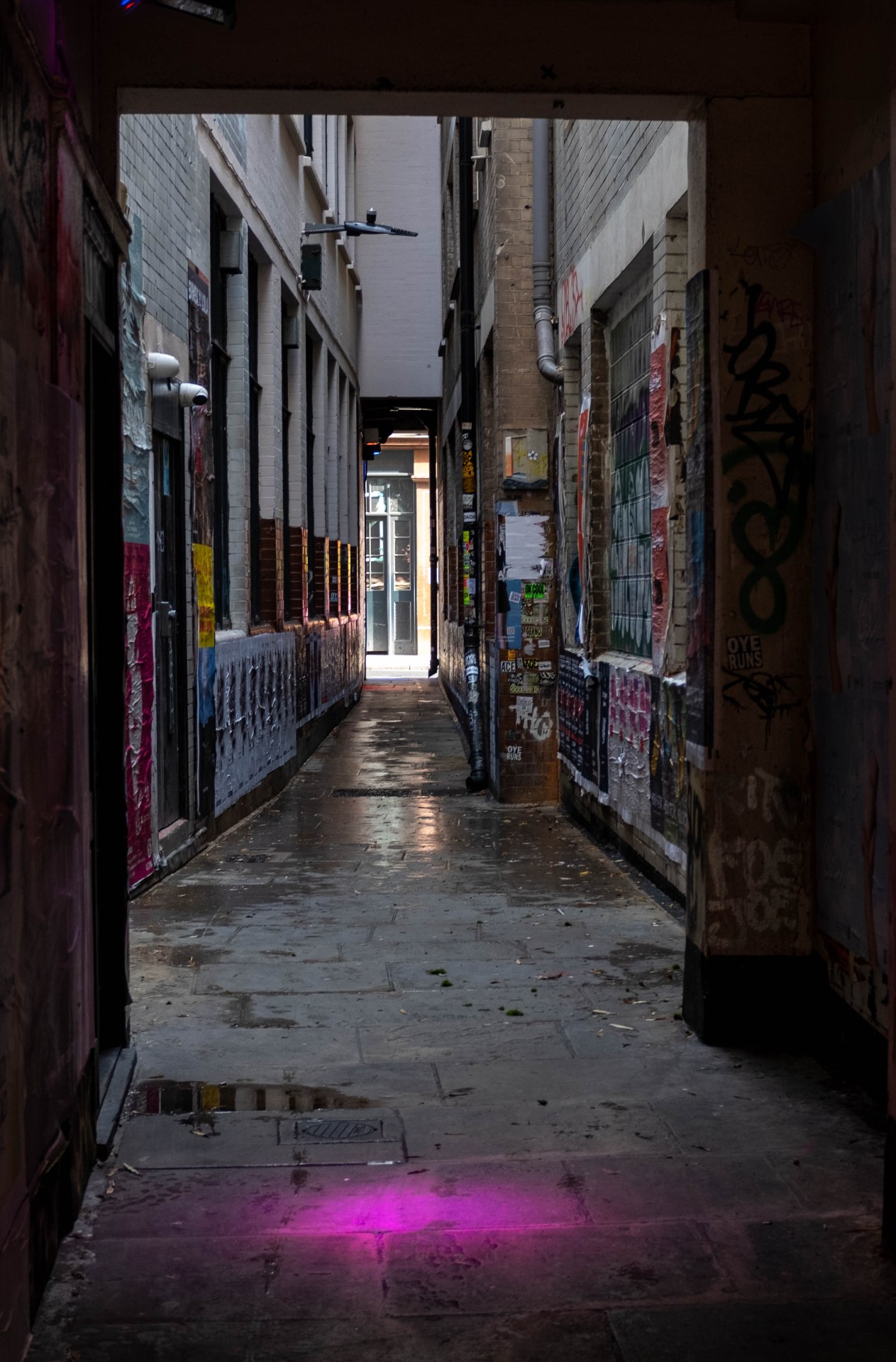
The one thing that I loved about this project was finding something so beautiful that was just by looking down a dark corner or a hidden alley way. I wanted to capture the pretty light, the contrast of light and dark and the pretty colours.
For all three street shots I used my Tele lens (equivalent of a 50ml lens) I set the aperture between F4-F8 and I needed a relatively high ISO as I was shooting sometimes in the dark. I wanted to get the exposure quite low with a dramatic contrast of light and dark, so the shutter speed was relatively slow, but making sure I didn’t go below 1/60 so no blur occurred.
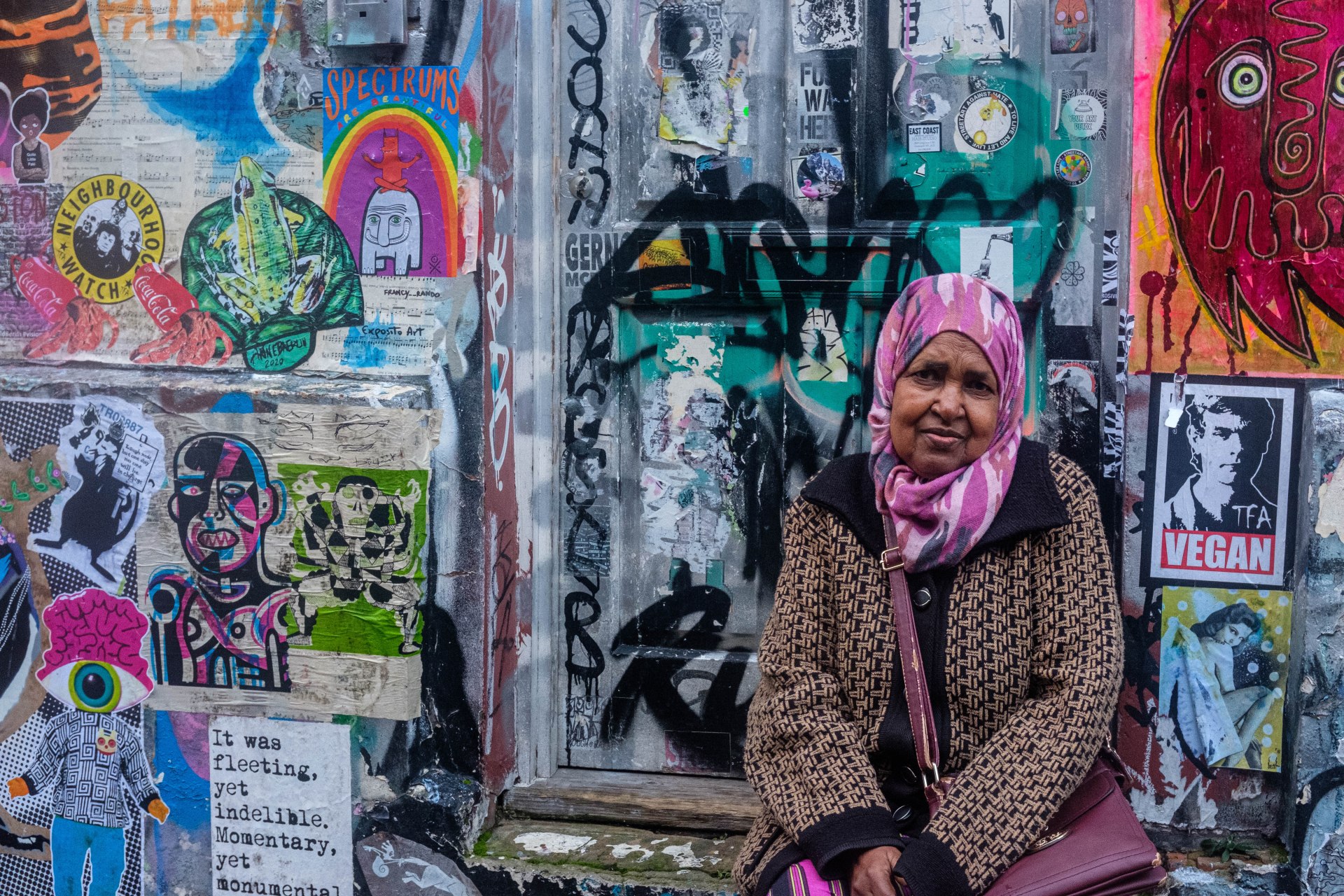
In the first picture in Soho with the graffiti , I loved the light at the end of the street as well as the splash of pink colour created by the lamp hanging above. My aperture was set at F4 and my ISO 400 and shutter speed 1/170 so I could get the contrast between the light at the end of the street and the dark of the alleyway. In post production afterwards in Light room, I then decreased the exposure more as well as bring up the shadows. I wanted to create an atmosphere and mood in the still picture. I did similar things in the West End alley way with the lamp and the sunlight peering through, here I could keep the ISO low at 400 with the natural sunlight coming through where as in the dark alley way in Shoreditch I needed the ISO high at 3200. In post production again with these two photos I decreased the highlights and increased the shadows to achieve a dramatic contrast and create a mood of mystery and beauty by just a hidden street. The dark tunnel I photographed in Shoreditch, was literally hidden, as I had to poke my camera lens through the railings of the gate.
Analysing these photos, after printing them perhaps I went too dramatic with the low exposure and maybe needed brightening up a touch so they are not lost visually. Also like Rui Palha ‘The Master of Atmosphere’ in most of his photographs he has a person walking through, not always showing the face. i.e behind an umbrella or their back to the camera. So maybe if I had waited and captured a person walking through it would have added more of an atmosphere to the picture. But would I have perhaps lost just the true beauty of what the street is alone?
For my second group of photos, I grouped them together as ‘Gesture.’ I displayed them as two groups of 3, one selection being busy and colourful and the other portrait and less busy.

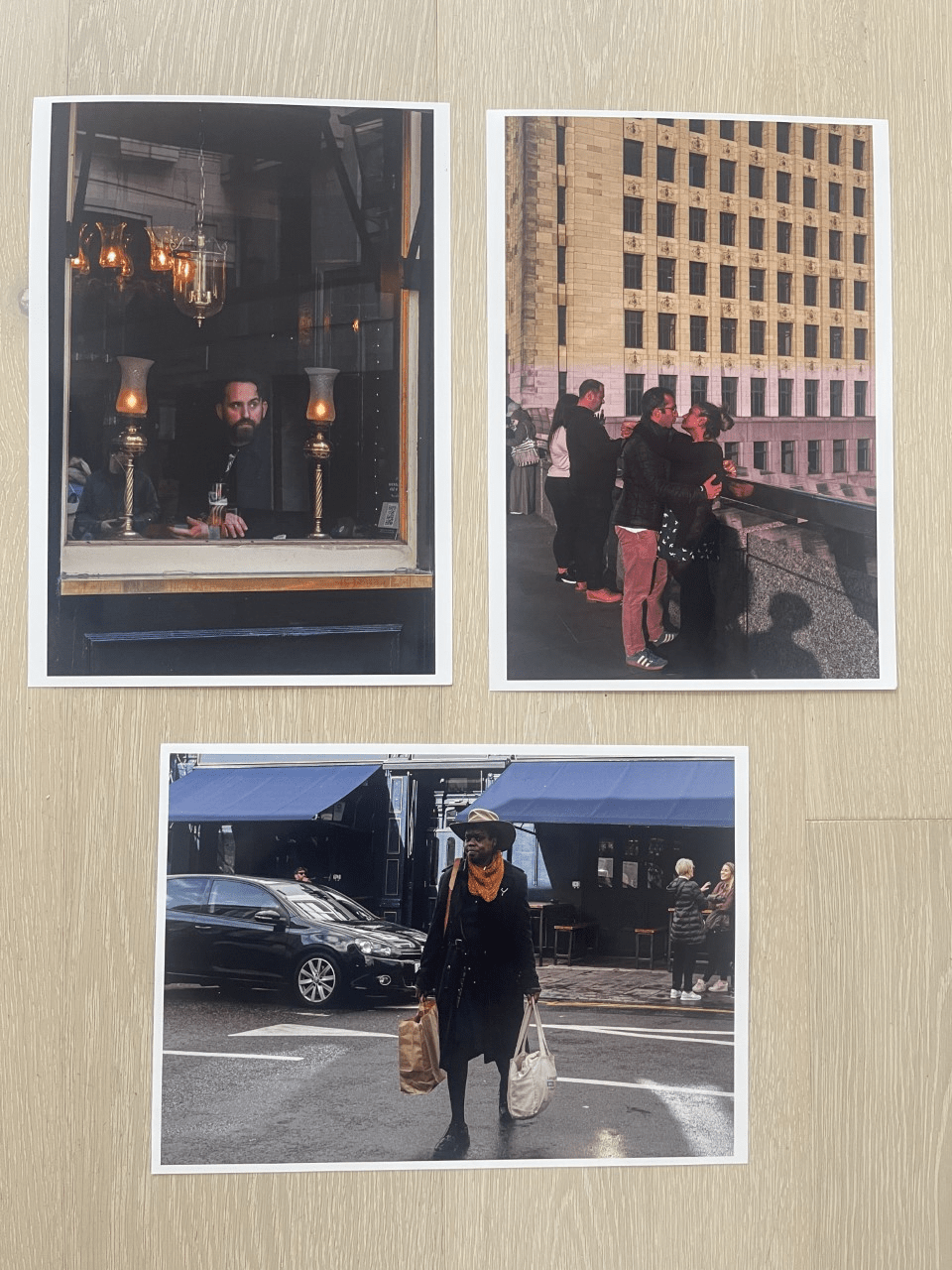
Gesture was something I have always been drawn to when taking photographs. I think its from being observant and studying acting as a degree, your gut is always to capture a moment or gesture.
The one thing I was nervous about was getting too close to the people and feeling like I was invading their privacy. The one drawback with the Fuji lightweight camera and prime lens is I didn’t have a zoom lens, so I could stand a bit further away. The shot of the gentleman in the pub window in Soho was taken from across the street so I would have lost some quality and sharpness in his face when cropping it down. Also if I had added a polaraised filter to the lens I could have got less reflections on the window. I was able to decrease the reflections slightly in post production in Lightroom.
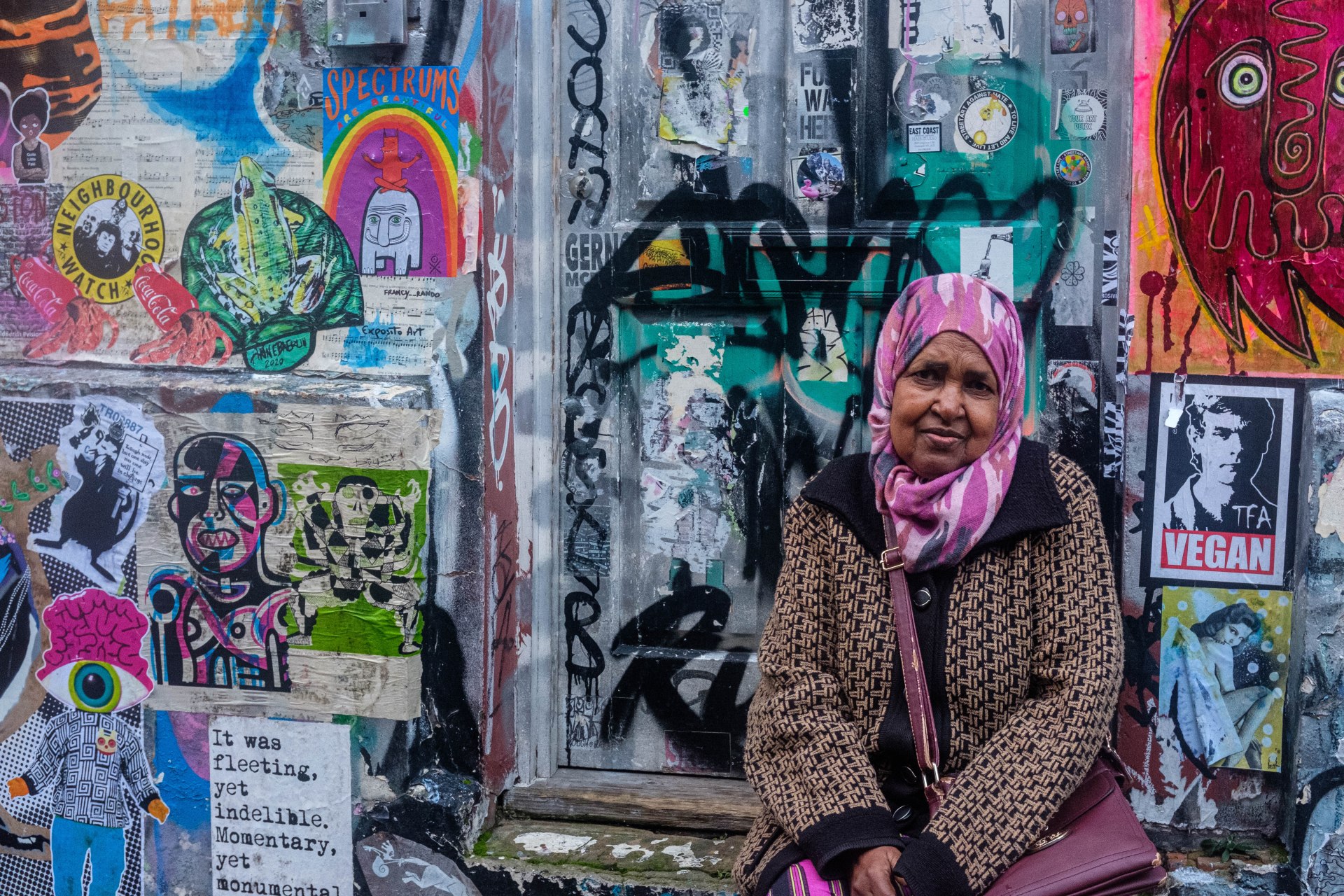
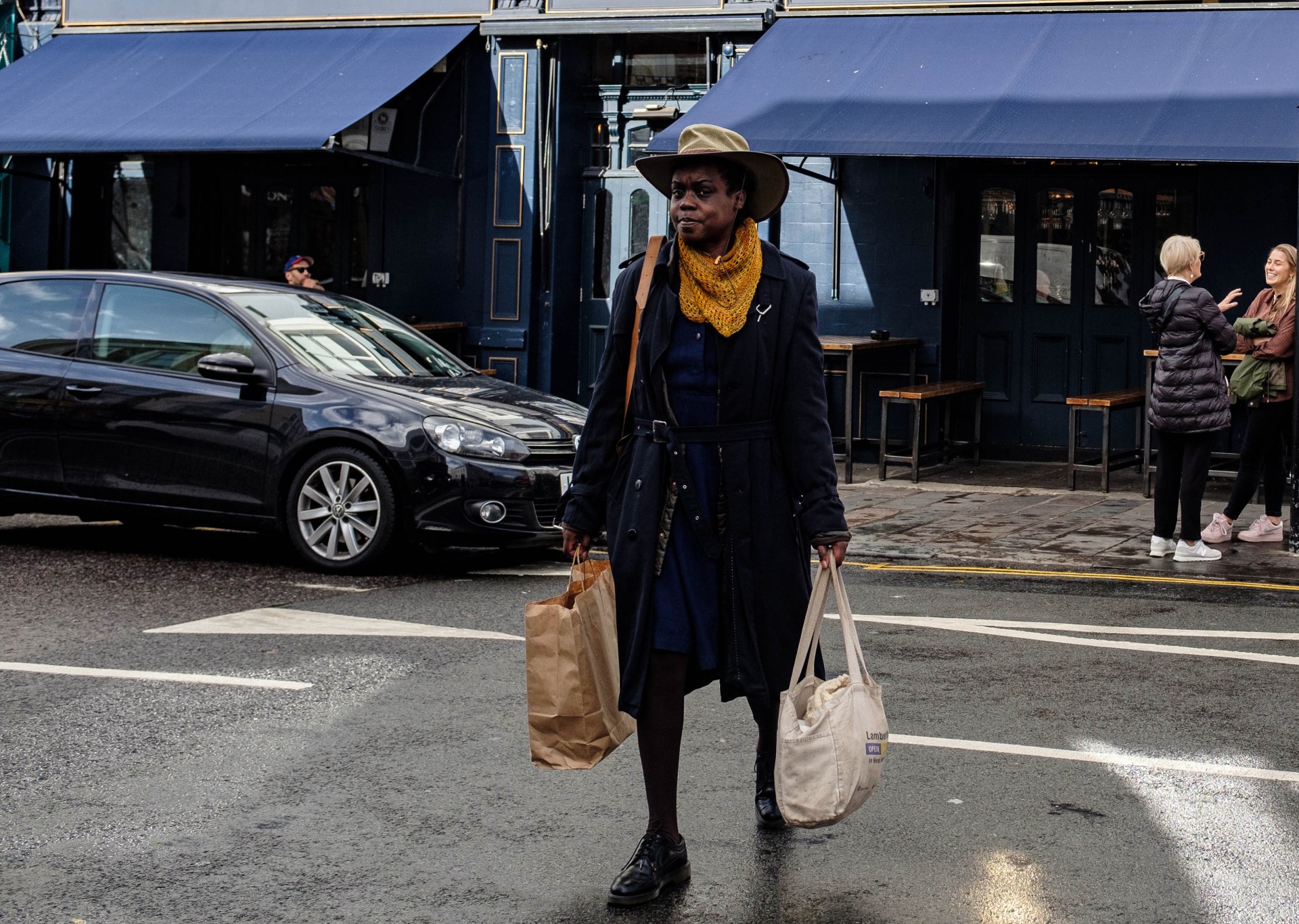
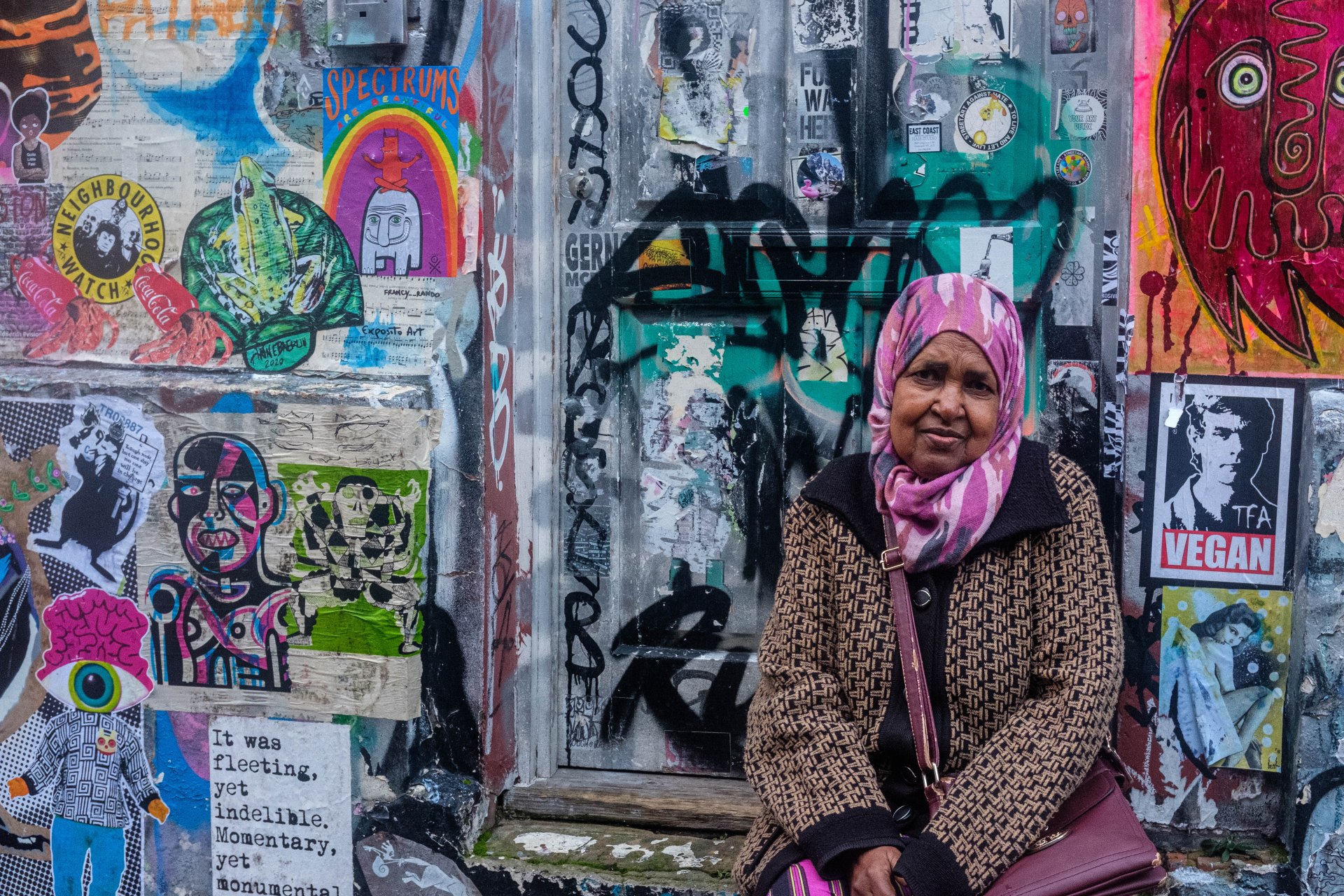
Taking the picture of the lady crossing the street in Notting Hill I moved in front of her (from a small distance) and I captured her looking at me and giving me a bit of a stern look, this worked visually in capturing the gesture! My only drawback is her face is dark in the picture, on reflection maybe I could have masked her face in Lightroom and brightened it up. The couple embracing in London if I had a zoom lens I could have captured more of the focus of them. What I did like about this photo of the couple was the shadow of my little boy, it reminded me very much of Vivian Maier. By the time I got to Shoreditch I had built my confidence up and confidently asked the lady in brick lane if I could take her photograph with the graffiti backdrop. I was able to crouch down low, take my time and focus on her face with a good exposure. I loved how all the colours worked together in this photograph.
One of my favourite photographs was the man and the newspaper in Notting Hill. I love the humurous gesture and the colours, its similar to the work of Vivian Maier and Jay Maisel I researched. Being ready for a moment and going with your gut. I loved the colours in the image and a lamp placed above him helped with the exposure of the picture and enhancing the lovely colours. I used a relatively wide aperture of F stop 4 and a slow shutter speed of 1/70. I wanted to capture the street light above him as well as enhance all the colours with the light. Looking at the picture perhaps I could have cropped more of the clutter out at the bottom of the image to make it look cleaner and sharper. At the same time I shot the gentleman I photographed a lady walking down the street wearing black and red and walking underneath red and black umbrellas. It was quite a grey day so I had the aperture as wide as it could go on F2.8, her face was slightly out of focus which was a shame. If I had been more confident to stand closer or had a zoom lens with a more accurate auto focus on the face, this could have worked really well.
At the beginning of the project Notting Hill was one of my favourite places for street photography. I could be discreet, as they are used to many tourists taking photographs and there was lot of wonderful colours to capture as well interesting people and gestures.
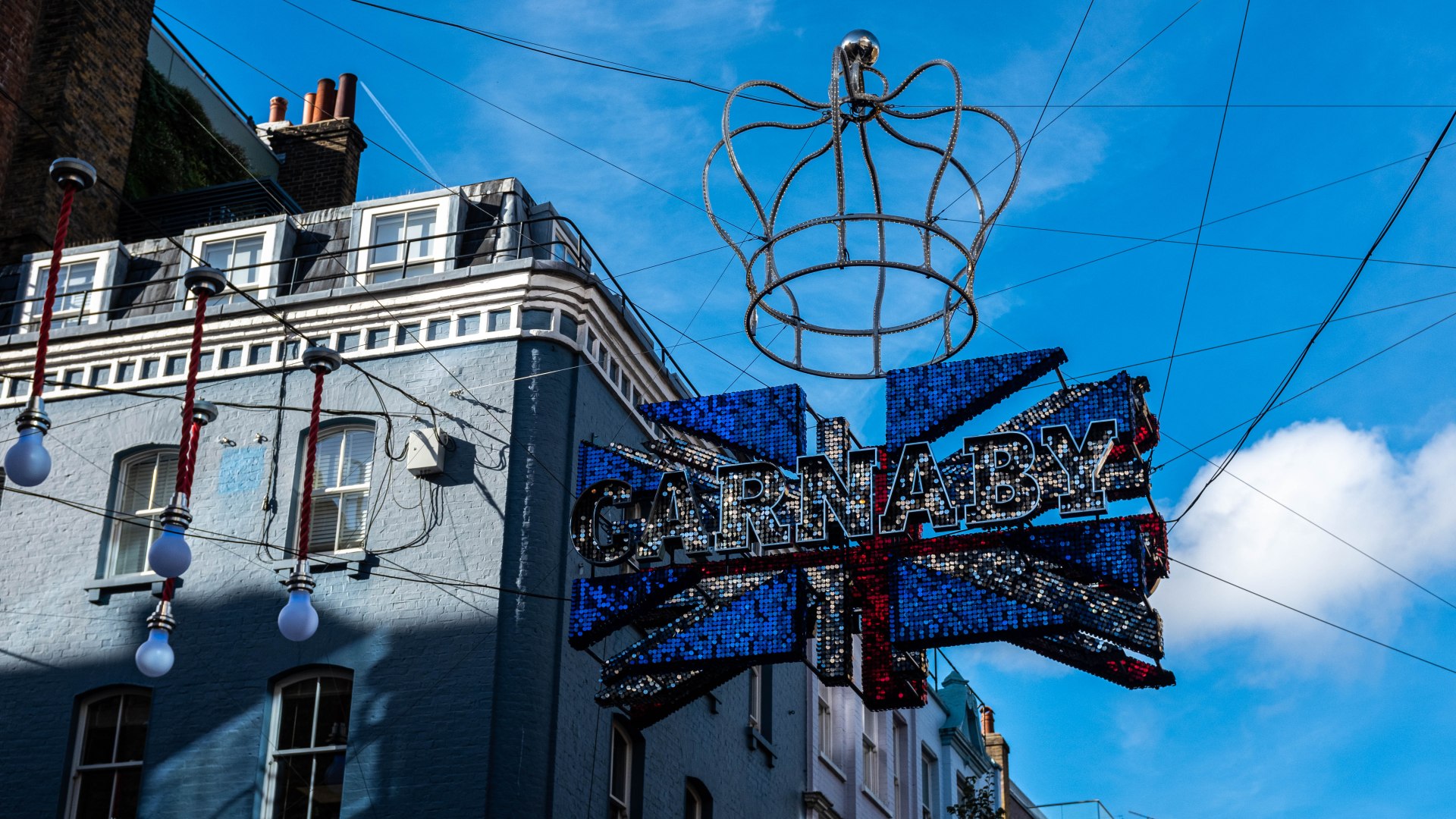
Soho and the West End was another great place to get lost in a crowd and be discreet taking photographs.
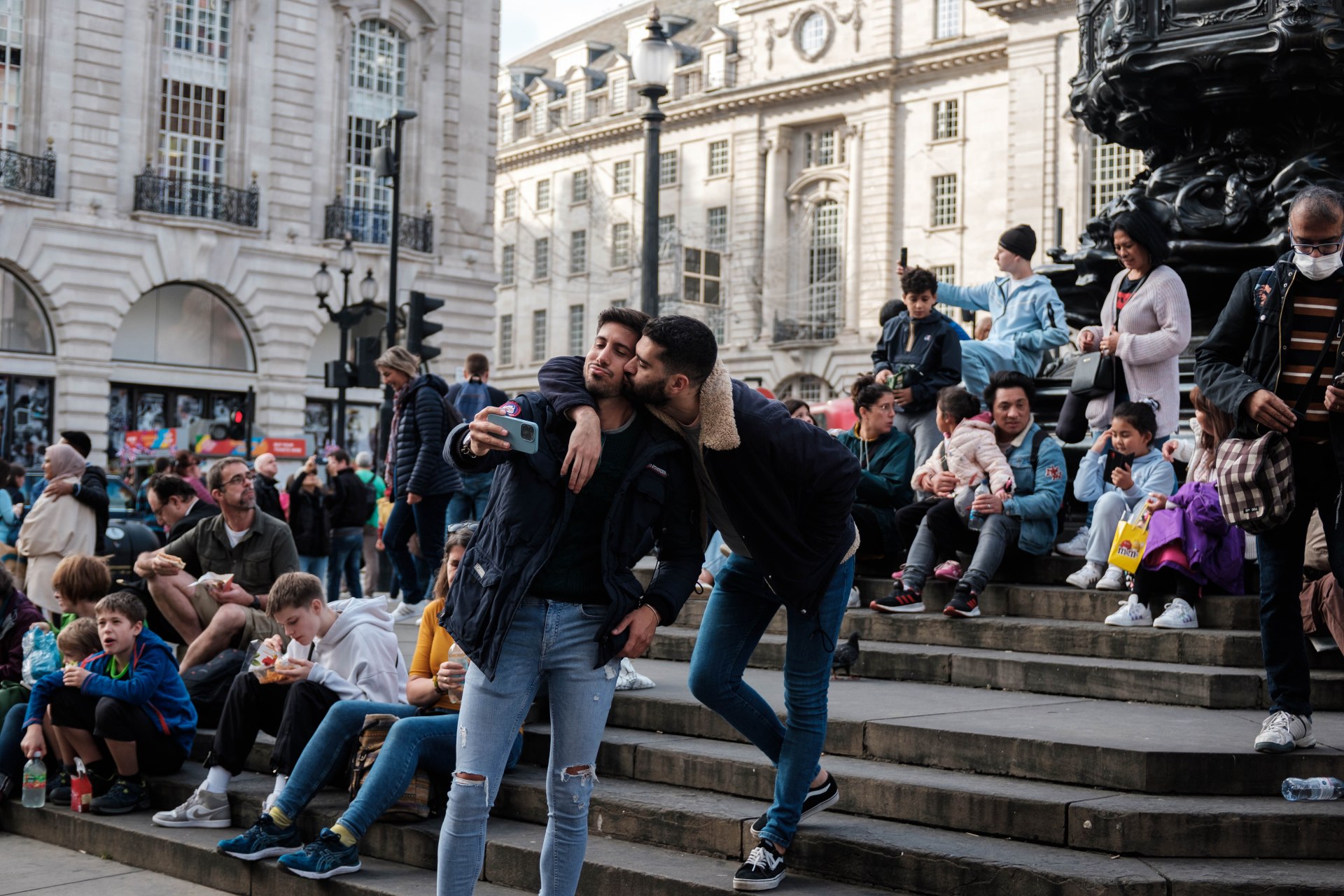
The two men kissing for a self photo in Trafalger square was a modern day gesture that I wanted to capture and how the ‘selfie’ is so prominent today. I made them the central focus of the image and using a wide aperture of F stop 2.8 they would pop out as the main focus. What I also love about this photo is the many gestures and stories you can also see from the other characters surrounding them.
I was quite apprehensive at first regarding the street photography project and being able to capture something that would tell a story or be emotive. However it really opened my eyes to how much there is out there and how much you would not notice normally. The FujiX100F camera was great to transport around being so light weight and the Fuji colours I have always admired as they have a cinematic feel about them. I look forward to taking many more street photos now I have a new mirrorless full frame camera with a zoom lens, prime lens and flash that will provide more opportunities.
4.1 Identify and use safe working practices.
As I would be photographing the public, I wanted to keep relatively discreet, having a small camera and small lens helped me with this, so I didn’t invade their privacy too much. I also asked if I could take their photo on occasion to make myself feel comfortable and not intimidated by them or them intimidated by me!
I made sure my camera was always around me on a strap so it did not fall and break or get stolen in the busy crowds. I had a big rain mac on with big pockets to keep the camera safe and out of the rain (as best I could) and a cloth to keep the lens clean.
As the streets were often busy and I was focusing through the viewfinder, I tried to make sure I didn’t step in front of anyone or trip over an obstacle with my feet.
As the days were long, often walking for hours I would make sure I was hydrated and take sitting breaks.
 UAL Level 1 Photography